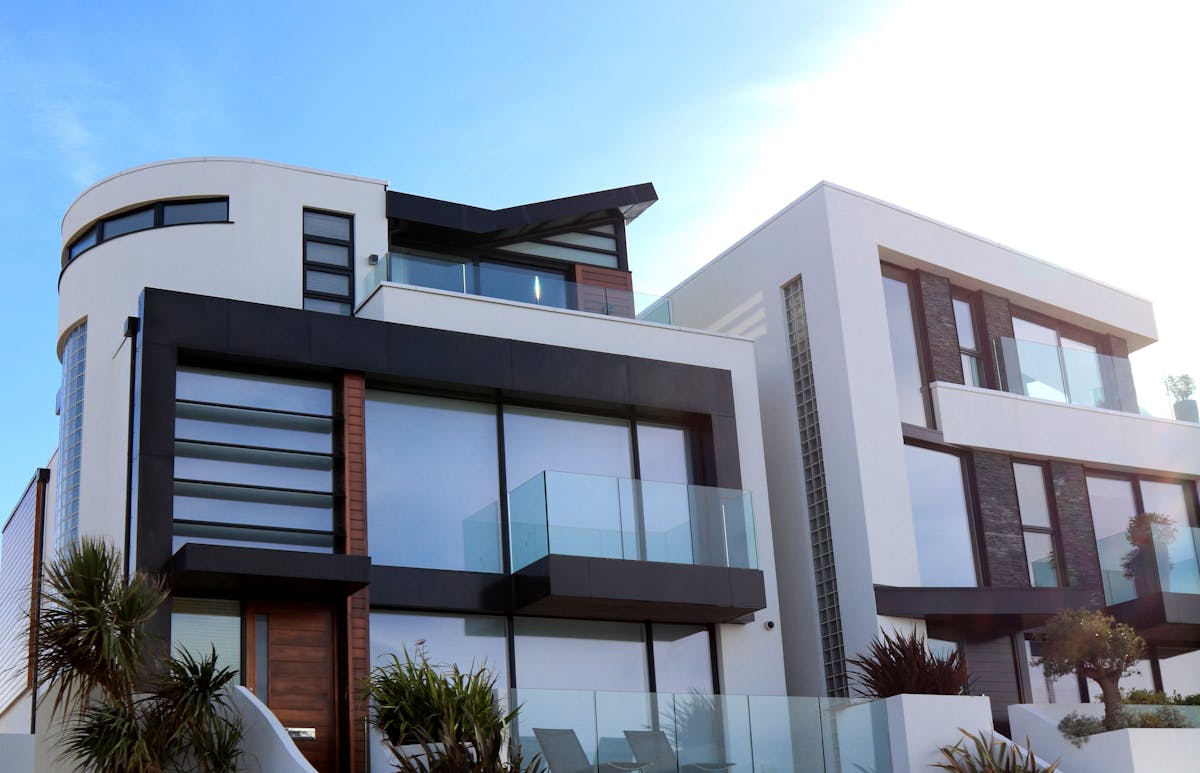


Tokyo's real estate market is experiencing an unprecedented influx of foreign capital in 2026, as international investors capitalise on the persistently weak Japanese yen, attractive rental yields, and a resurgent domestic economy. Cross-border investment into Japanese commercial and residential property reached a record US$18.2 billion in 2025, and early indicators suggest that 2026 is on track to surpass that figure.
The Yen Advantage
The Japanese yen, which has traded in the range of 150 to 158 to the US dollar for much of the past 18 months, has made Japanese real estate significantly cheaper for foreign buyers when denominated in their home currencies. A prime Tokyo apartment that cost US$1 million equivalent in 2020 can now be acquired for roughly US$650,000 — a discount of 35 per cent purely attributable to currency movements.
"Japan is offering what no other major developed market can right now: a combination of strong fundamentals, attractive pricing in foreign currency terms, and a stable regulatory environment," said Kenji Matsumoto, head of Japan real estate at a global investment manager. "It's a compelling proposition for institutional and private investors alike."
The weak yen has been particularly attractive to investors from Singapore, Hong Kong, Taiwan, and the United States. Singaporean investors have emerged as the largest foreign buyer group in Tokyo's luxury condominium market, accounting for approximately 22 per cent of all foreign purchases in the premium segment.
Residential Market Hits New Highs
The surge in foreign demand, combined with robust domestic buying, has pushed Tokyo's residential prices to record levels. The average price of a new condominium in central Tokyo's 23 wards reached JPY 112 million (approximately US$740,000) in 2025, a 15 per cent increase year-on-year and the highest figure ever recorded. In ultra-prime districts such as Minato, Chiyoda, and Shibuya, prices have exceeded JPY 200 million for standard three-bedroom units.
The luxury segment has been especially buoyant. Several high-profile projects in Azabu, Roppongi, and Toranomon have achieved prices above JPY 30 million per tsubo (approximately US$5,800 per square foot), placing Tokyo's top-tier properties in the same price bracket as London and New York equivalents — a remarkable shift for a market that was long considered undervalued by global standards.
Commercial Sector Equally Strong
The commercial real estate sector has mirrored the residential market's strength. Tokyo's Grade A office vacancy rate fell to 3.2 per cent in the first quarter of 2026, the lowest level since before the pandemic. Prime office rents have increased 8 per cent year-on-year, driven by demand from technology firms, financial services companies, and the growing cohort of international businesses establishing or expanding their Tokyo operations.
The logistics and data centre segments have also attracted significant foreign investment. Japan's position as a key hub in global supply chains and the rapid growth of cloud computing demand have made these sectors particularly appealing to institutional investors seeking stable, long-term income streams.
Risks on the Horizon
Despite the bullish sentiment, some analysts caution that the market is not without risks. A potential reversal in the yen's weakness — which could occur if the Bank of Japan continues to tighten monetary policy — would reduce the currency advantage that has been a primary driver of foreign investment. The BOJ has already raised its benchmark interest rate twice since early 2025, and further hikes are anticipated.
Additionally, Japan's demographic challenges, including a shrinking and ageing population, remain a long-term structural headwind for the real estate market, particularly outside of Tokyo and other major metropolitan areas.
A New Chapter for Tokyo Real Estate
For now, however, the momentum shows no signs of abating. With global investors increasingly viewing Tokyo as a must-have allocation in their real estate portfolios, the Japanese capital appears to be entering a new chapter as one of the world's premier property investment destinations.