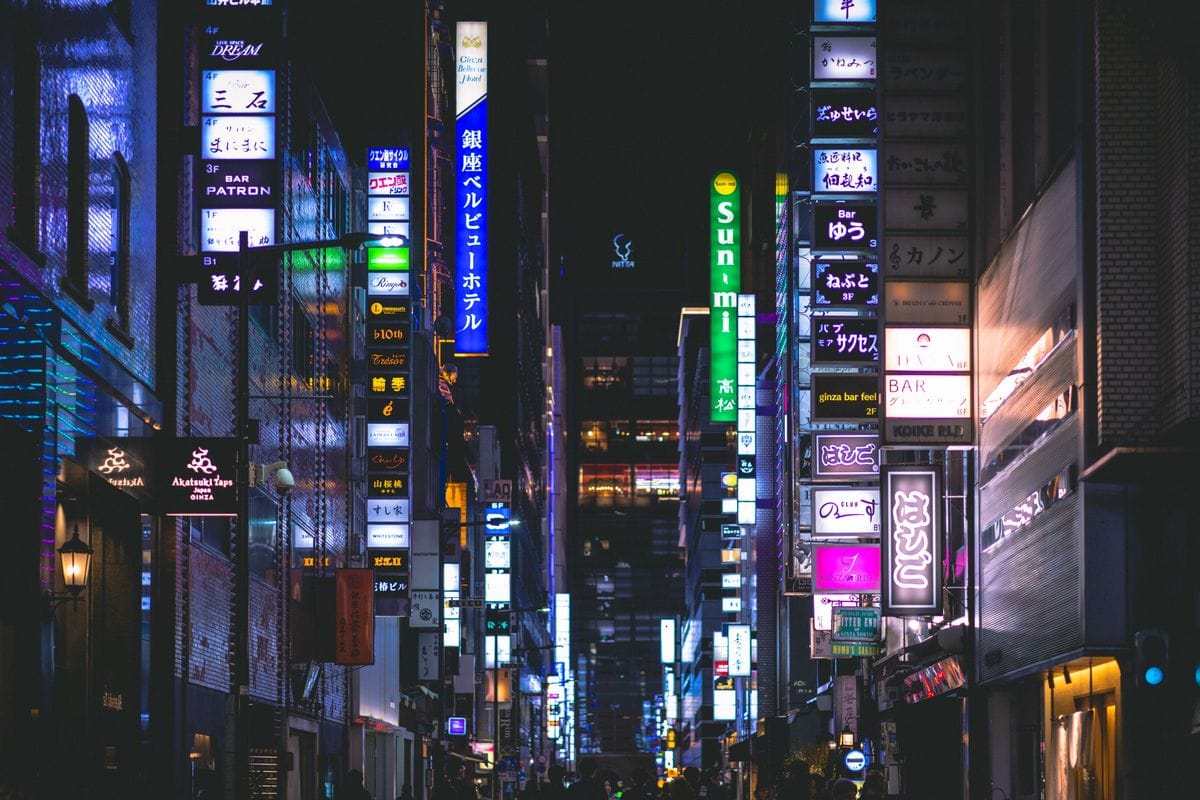
Vacancy on Ginza's prime retail streets has fallen to near-zero levels in 2026, with landlords on corridors such as Chuo-dori holding strong pricing power at lease renewal. Inbound tourism growth, yen-driven foreign capital demand, and a structurally constrained supply pipeline are keeping the Tokyo luxury retail market exceptionally tight.
Vacancy rates on Ginza's most coveted retail corridors have fallen to levels that analysts describe as virtually non-existent, with prime ground-floor availability on streets such as Chuo-dori sitting well below 1% as of early 2026. Ginza, Tokyo's flagship luxury shopping district, continues to attract sustained demand from international fashion houses, cosmetics brands, and flagship-format retailers competing for a finite pool of street-level space.
For investors tracking APAC retail real estate, the Ginza data point carries weight beyond Tokyo. When one of Asia's most scrutinised retail markets sustains near-zero vacancy through successive cycles of post-pandemic adjustment and yen volatility, it signals structural demand rather than a cyclical bounce. Rental income from Ginza assets has remained resilient, and with so little space turning over, any available unit tends to command a significant premium at lease renegotiation.
Several factors underpin the tightness. Inbound tourism to Japan has surged, boosting foot traffic on prime Ginza streets and giving landlords leverage to push rents higher at renewal. The weak yen has simultaneously made Tokyo retail exposure attractive to foreign capital, compressing yields even as rental income rises. Supply constraints are equally important: Ginza's dense urban fabric and heritage-sensitive planning environment make meaningful new retail floor space difficult to add, keeping the market structurally undersupplied.
- Prime Ginza vacancy: reportedly below 1% on key corridors including Chuo-dori
- Demand drivers: inbound tourism growth, luxury brand flagship strategies, limited new supply
- Currency factor: yen weakness continues to attract foreign retail capital to Tokyo
- Lease dynamic: landlords holding pricing power at renewal given near-zero churn
- Risk watch: any sustained yen appreciation or tourism slowdown could soften foot traffic assumptions
The rental trajectory also reflects a broader shift in how global luxury brands approach Asia-Pacific flagship positioning. Tokyo, and Ginza specifically, has become a preferred proving ground for new concept stores, partly because the district's consumer demographics and brand density justify premium fitouts. That dynamic keeps occupier demand sticky even when global retail sentiment softens elsewhere.
Why it matters: Investors holding or evaluating Ginza retail assets face a market where vacancy-driven risk is minimal in the near term, but entry pricing reflects that security. With rents edging higher and few opportunities to acquire stabilised assets at scale, the more actionable play may be monitoring secondary Ginza streets and adjacent districts , such as Higashi-Ginza and Shimbashi fringes , where vacancy is marginally higher and pricing has not yet fully converged with prime corridor benchmarks. Any policy shift affecting inbound tourism volumes or a material yen reversal remains the key variable to watch.