A fire at 1 Gul Crescent, an e-waste office-warehouse-recycling site in Singapore's Jurong industrial corridor, highlights operational and compliance risks for B2 industrial property investors. Incidents of this type can trigger NEA and SCDF inspections, suspend operations, and affect lease income and asset value.
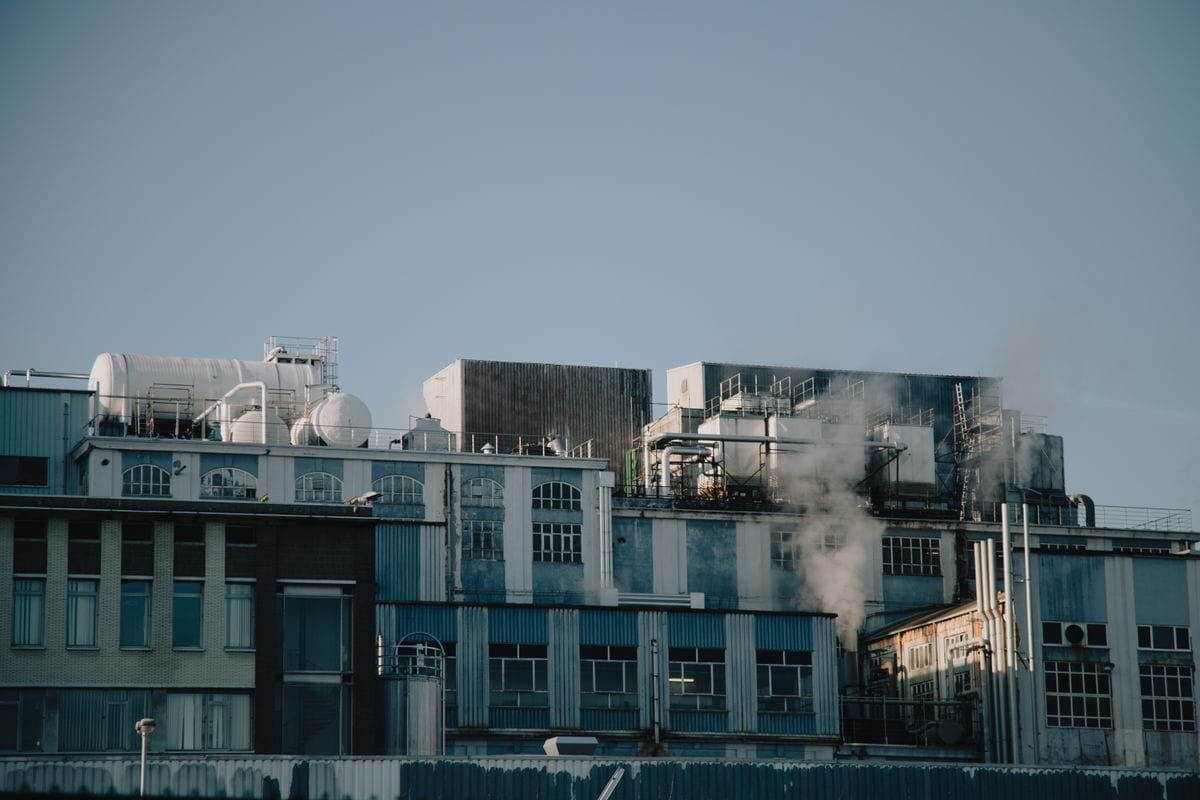
A fire broke out at 1 Gul Crescent, a multi-use industrial property in Singapore's western industrial corridor, forcing emergency services to respond to the site, which operates as an office, warehouse, and recycling facility for electronic waste. The incident at the Enviro-Hub-linked premises highlights the operational and regulatory risks embedded in Singapore's industrial real estate segment, particularly for properties handling hazardous or recoverable materials.
For industrial property investors and tenants, the event underscores a risk profile that is often underweighted in yield calculations. Industrial units housing e-waste or recycling operations carry elevated insurance, compliance, and remediation exposure. Any fire-related shutdown , even temporary , can trigger lease disruptions, regulatory inspections by agencies such as the National Environment Agency (NEA), and potential reclassification of permitted use, all of which affect asset income and resale value.
Gul Crescent sits within the Jurong Industrial Estate, one of Singapore's established heavy and light industrial zones managed under JTC Corporation's land framework. Properties in this corridor are typically zoned for Business 2 (B2) use, which permits higher-impact industrial activities including recycling operations. Key characteristics of the affected site and its broader market context include:
- The premises function simultaneously as office space, warehousing, and an e-waste recycling facility , a mixed-use industrial configuration common in B2-zoned estates.
- E-waste processing sites face stricter NEA licensing requirements under Singapore's Extended Producer Responsibility (EPR) framework, introduced to regulate the collection and treatment of electronic waste.
- Fire incidents at industrial properties can trigger mandatory inspections by the Singapore Civil Defence Force (SCDF) and NEA, potentially suspending operations until compliance is confirmed.
- JTC industrial land leases typically include clauses requiring tenants to maintain properties in a safe and compliant condition, with breaches potentially voiding lease protections.
- Industrial rents in the Jurong West and Gul areas have remained relatively stable, though vacancy risk rises sharply for units with operational disruptions or compliance flags.
The broader industrial property market in Singapore has attracted sustained investor interest on the back of logistics demand and the growth of the circular economy, which has increased appetite for licensed recycling and waste-management facilities. However, incidents like this serve as a reminder that operational risk at the asset level can quickly translate into financial exposure. Investors acquiring or leasing B2 industrial units with recycling or chemical-handling tenants should conduct thorough due diligence on fire suppression systems, NEA licensing status, and business interruption insurance coverage before committing capital.
Why it matters: Industrial assets tied to e-waste and recycling operations carry a distinct risk layer that standard yield analysis can miss. Investors active in Singapore's B2 industrial segment should treat fire safety compliance, NEA licensing continuity, and operational disruption clauses as non-negotiable due diligence items , particularly as circular-economy tenants become more prevalent across Jurong and surrounding JTC-managed estates.