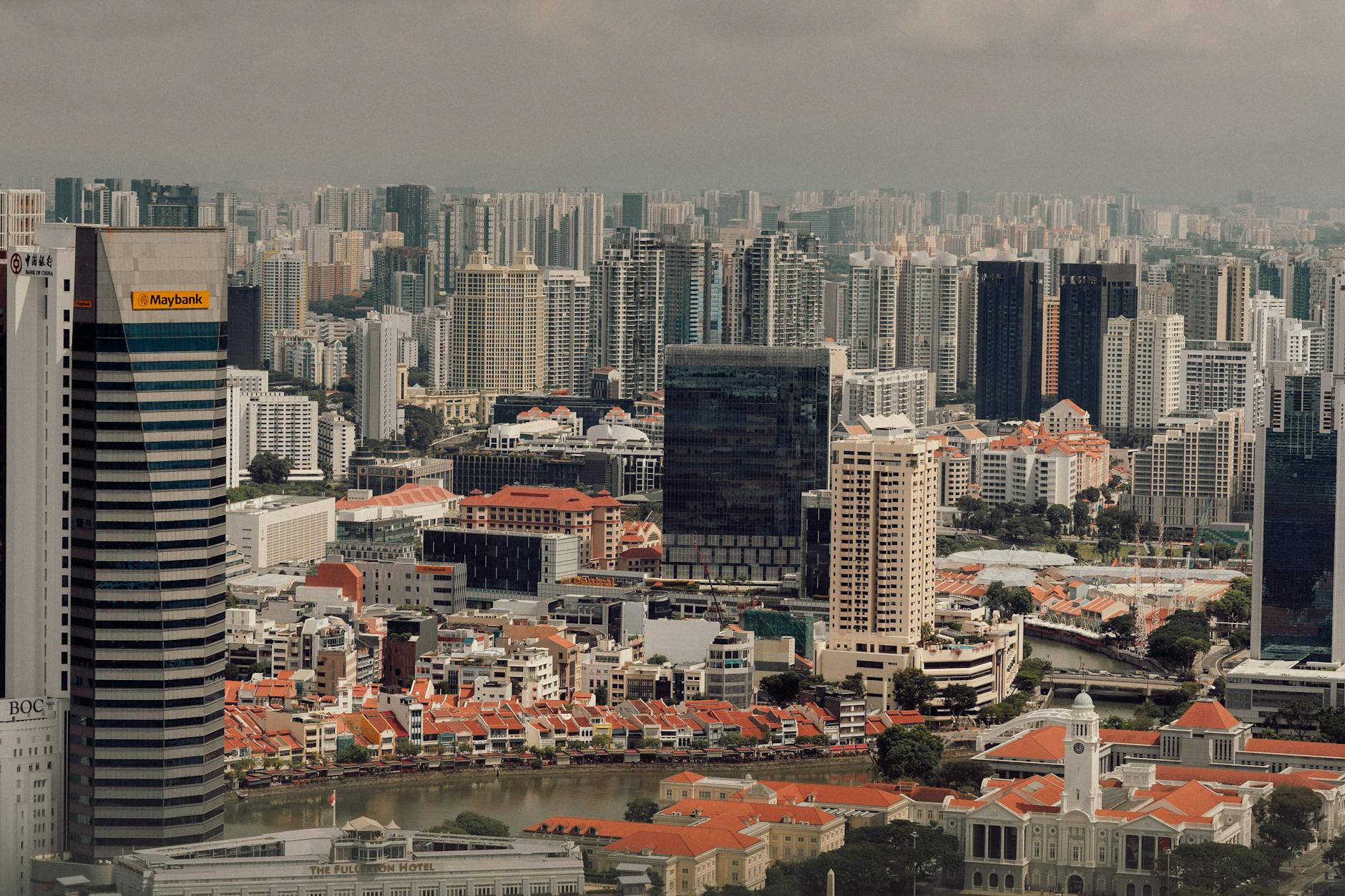


Singapore has appointed Adele Tan as the new chief executive of the Urban Redevelopment Authority, the powerful planning agency that shapes the city-state's built environment and property development landscape. The appointment comes at a pivotal moment as Singapore advances one of its most ambitious master planning cycles in recent history, with wide-ranging implications for developers, investors, and real estate professionals operating in the market.
A Seasoned Planner Takes the Helm
Tan, currently serving as deputy CEO and chief planner, will succeed Lim Eng Hwee when she assumes the top role on 1 September 2026, according to a URA statement. The appointment elevates a veteran public servant with nearly three decades of experience spanning environmental sustainability, infrastructure development, and land optimisation across Singapore's government agencies.
A Princeton University graduate in civil engineering and operations research with a master's in public administration from Harvard University, Tan brings both technical depth and policy expertise to the role. In her current position, she has played a central role in steering Singapore's draft master plan, translating broad land use strategies into the detailed blueprints that guide the city-state's development over the next 10 to 15 years.
She also led the long-term plan review, a landmark exercise that maps Singapore's development trajectory over a 50-year horizon, balancing the competing demands of housing, economic growth, infrastructure, and environmental sustainability on a land-scarce island of just 734 square kilometres.
Lim Eng Hwee's Legacy of Transformation
Outgoing chief executive Lim Eng Hwee departs after a tenure marked by significant planning milestones. During his leadership, Lim oversaw successive master plan reviews while guiding Singapore's response to intensifying land constraints and escalating climate risks.
Key initiatives under Lim's watch included the redevelopment of Jurong Lake District into Singapore's largest business district outside the central area, the masterplanning of the former Paya Lebar Air Base site for residential and mixed-use development, and the ongoing rejuvenation of Orchard Road as the city's premier retail and lifestyle destination.
The URA noted that Lim fostered a more inclusive planning process, creating expanded opportunities for public and stakeholder engagement that have shaped how Singaporeans participate in decisions about their built environment.
What the New Master Plan Means for Property Markets
Tan's appointment coincides with a critical phase in Singapore's latest master planning cycle, which outlines the creation of new residential districts, expanded commercial hubs, and major infrastructure upgrades designed to sustain growth while enhancing liveability. For property market participants, the plan represents a roadmap of opportunities and constraints that will shape investment decisions for years to come.
Among the most significant proposals are new neighbourhoods planned for areas including Bayshore and Mount Pleasant, which will add substantial residential supply to the market. The Bayshore mega site alone is expected to yield approximately 1,280 homes in a mixed-use development that could attract bids of up to S$2 billion, according to industry estimates.
The plan also emphasises the continued development of decentralised commercial nodes to reduce reliance on the traditional downtown core. This decentralisation strategy has significant implications for office, retail, and industrial real estate as economic activity disperses across the island.
Innovation in Land Use and Underground Space
One of Tan's distinctive contributions has been advancing the use of underground space to optimise Singapore's limited land resources. This includes driving stronger coordination in the planning of underground infrastructure, storage facilities, and utilities, an approach that could unlock additional development capacity without consuming scarce surface-level land.
The URA's embrace of digital planning tools, including geospatial platforms for enhanced coordination and analysis across government agencies, also signals a more data-driven approach to urban development that could improve planning efficiency and transparency for the development industry.
Implications for Developers and Investors
For property developers and investors in Singapore, the leadership transition at URA signals continuity in policy direction while potentially accelerating innovation in how the city-state manages its built environment. Tan's deep involvement in both the master plan and long-term plan review suggests she will pursue a development agenda that balances economic growth with sustainability and liveability objectives.
Additionally, the appointment of Yvonne Lim as incoming deputy CEO and chief planner ensures institutional continuity in the planning process. Lim, currently group director for physical planning, has led multiple master plan reviews and played a key role in expanding stakeholder engagement across the agency.
As Singapore navigates an increasingly competitive regional landscape for investment and talent, the URA's direction under new leadership will be closely watched by property professionals seeking to align their strategies with the city-state's evolving development priorities.