Heritage Buildings Are Becoming Singapore's Most Valuable Real Estate — Here's Why
When Amor opens on Amoy Street and Loca Niru moves into a national monument, the story isn't just about good food — it's about asset values.

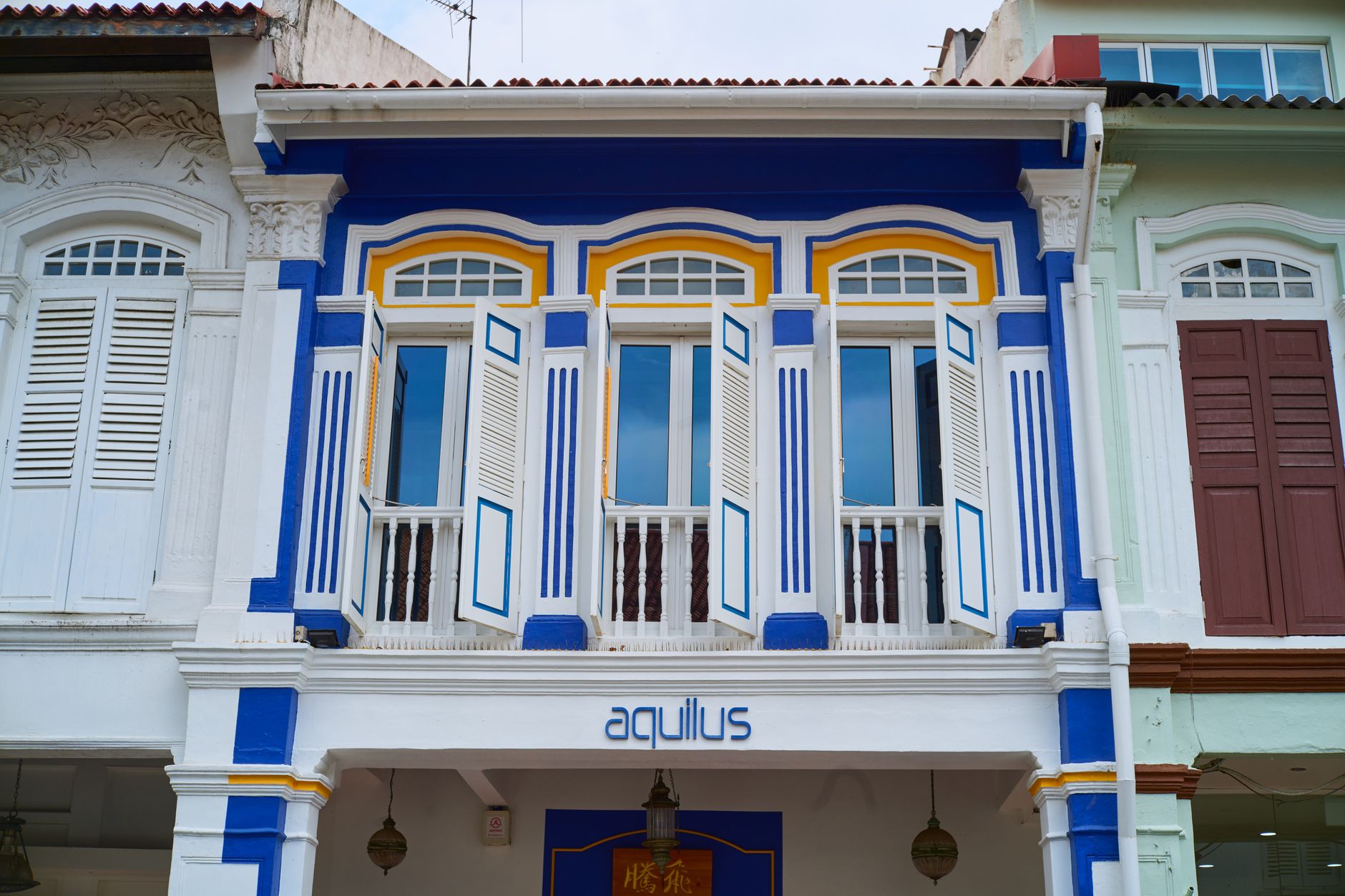
Walk down Club Street on a Thursday evening. Count the restaurants in conservation shophouses. Then count the ones in modern builds. The ratio tells you something important about where Singapore's most discerning F&B operators want to be — and what that means for the investors who own those buildings.
The Thesis
Singapore's conservation shophouses are being colonised by premium F&B operators. This is not a coincidence. Heritage architecture provides something that no new-build mall can manufacture: character, scarcity, and a spatial quality that translates directly into the kind of Instagram-worthy environments that drive covers in 2026. The operators know this. Increasingly, so do the investors.
The Data: A Market in Recovery
Singapore's shophouse transaction market peaked at S$1.9 billion in 2021, then contracted sharply under rising interest rates and the overhang of the high-profile 2023 money laundering case — which, perversely, also produced some of the most-watched asset sales of 2024 as seized shophouses were offloaded.
The 2024 market recorded 74 caveated transactions worth S$608 million, down from 133 deals worth S$1.19 billion in 2023. Average deal size was S$8.2 million. Notable transactions included three North Bridge Road shophouses sold for S$72 million (999-year leasehold), and a cluster on Duxton Road fetching S$45–50 million.
Then the recovery began. Q3 2025 saw 27 caveated deals worth S$210 million — a 65.3% quarter-on-quarter jump and the most active three-month period in nearly two years. Year-on-year, transaction volumes rose 50% and deal value climbed 31.5%. For the first nine months of 2025, 65 deals totalling S$546.3 million were recorded. Three freehold shophouses on Jalan Besar sold for S$36.5 million (approximately S$5,723 psf on built-up area) in September 2025. A Stanley Street property was acquired by Anpora Real Estate for over S$82 million.
Why F&B Operators Are the Key Variable
The relationship between premium F&B tenants and shophouse values is underappreciated. Conservation shophouses in the CBD command median rents of around S$6.50–6.95 psf per month — a 20–38% premium over non-CBD shophouses, according to LushHomeMedia's 2024 analysis. That premium is being sustained by the quality of tenants who want these addresses.
Amor on Amoy Street. Loca Niru inside House of Tan Yeok Nee. The cluster of Michelin-recognised restaurants along Club Street and Ann Siang Hill. Premium operators choose heritage buildings not just for the aesthetics — they choose them because the building itself becomes part of the brand story. A conservation shophouse carries a legitimacy that a mall unit never can.
This tenant quality drives rents. High rents drive valuations. And the valuation floor is protected by something the market can't reproduce: listed building status.
The Supply Constraint
Singapore has approximately 6,500 conservation shophouses island-wide, protected under URA's Conservation Guidelines. No new ones are being built. The supply is fixed. When demand from both investors and F&B operators increases simultaneously, there is only one direction for prices.
The URA's conservation framework also imposes renovation obligations: owners must maintain the architectural integrity of their buildings. This is a cost (restoration and maintenance expenses are substantial) but it is also a moat. It filters out operators who aren't committed to the building's character, and it ensures that the neighbourhood-level quality that makes these areas valuable is preserved.
Who Is Buying
The buyer profile has shifted since 2021's peak. Family offices and ultra-high-net-worth individuals remain the core purchasers, but the 2024–2025 market has seen increased participation from foreign buyers who switched focus to shophouses after the government raised the Additional Buyer's Stamp Duty on residential properties to 60% — making shophouses (which are commercial assets and not subject to ABSD) comparatively more attractive.
Knight Frank's Kent Fu has noted that more investors are exploring shophouses as long-term wealth preservation assets, particularly amid broader market uncertainty. The safe-haven logic is straightforward: hard asset, limited supply, heritage protection, consistent rental demand from blue-chip tenants.
The Investment Case
Three structural forces underpin the long-term appreciation thesis. First, supply is genuinely inelastic — you cannot build more conservation shophouses. Second, F&B premiumisation is accelerating, not slowing — every month, another well-capitalised operator chooses a heritage building over a mall unit. Third, the regulatory environment protects the asset: URA conservation rules simultaneously maintain the quality of the stock and restrict what competing landlords can offer.
Shophouse yields have compressed from the heady 3–4% gross of the 2020–2021 peak, but the capital appreciation story remains intact for well-located, freehold or long-leasehold assets in the CBD cluster — Chinatown, Tanjong Pagar, Club Street, Ann Siang Hill, Amoy Street.
Analysts at PropNex and Knight Frank both project that transaction volumes will remain firm through 2026, supported by stabilising interest rates and continued demand from local and international capital.
The Bottom Line
Heritage buildings in Singapore are not just culturally significant — they are becoming the city's most structurally defensible real estate category. The premium F&B operators moving into these addresses are not just tenants: they are the mechanism by which conservation shophouses command rents, valuations, and investor attention that no other property type in Singapore can reliably sustain.
The question for investors in 2026 is not whether to look at shophouses. It is which streets, which tenures, and which tenants to back.