TL;DR
Far East Organization sells a portfolio of Tuas warehouses for S$253 million, highlighting strong custodian demand for Singapore's industrial assets. The article also covers other APAC real estate headlines, including logistics acquisitions and market trends.
The Deal: Far East Offloads Tuas Warehouses for S$253 Million
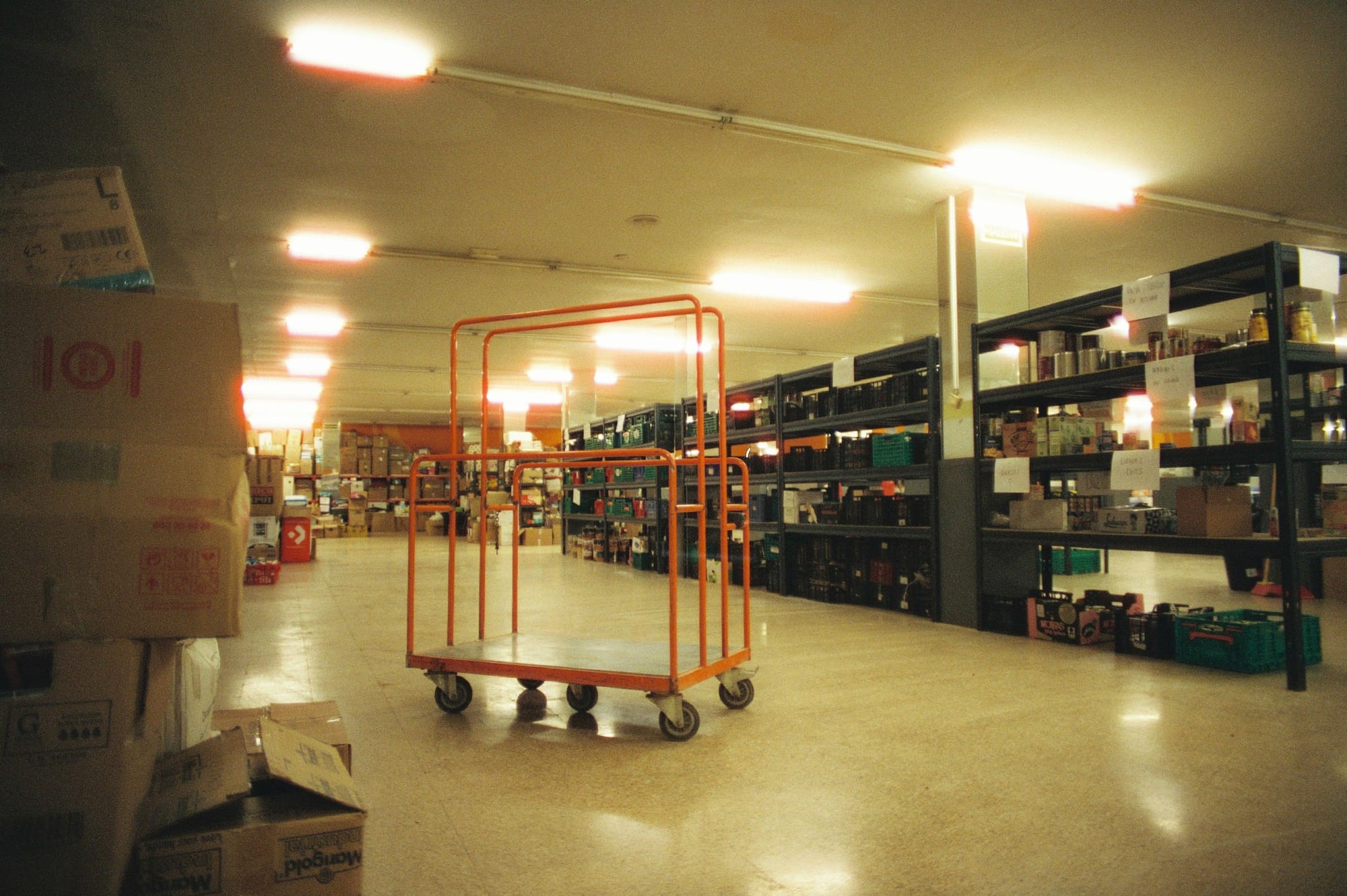
Far East Organization, one of Singapore's largest private property developers, is divesting a portfolio of warehouse assets in the Tuas industrial district for approximately S$253 million (US$189 million). The sale underscores sustained institutional appetite for Singapore logistics and industrial properties, particularly those carrying long remaining land leases. The transaction, which involves multiple warehouse units within the Tuas precinct, reflects pricing that aligns with recent benchmarks for well-located industrial stock on the island's western corridor. Market sources indicate the deal attracted interest from both domestic and regional buyers, highlighting the competitive nature of Singapore's industrial allocation market heading into the second half of 2026.
- Portfolio Sale Price: S$253 million (US$189 million)
- Asset Type: Warehouse / logistics facilities
- Location: Tuas, Singapore
- Estimated Yield: 5.5%–6.0%
- Land Lease Remaining: 30+ years
Why Tuas Continues to Command Investor Attention
The Tuas district has become one of Singapore's most sought-after industrial zones, driven by the government's ongoing consolidation of port operations into the Tuas Mega Port, which is expected to be fully operational by 2040. Warehouses in the area benefit from proximity to major shipping infrastructure and the Tuas Link MRT station, which improves workforce accessibility. Industrial rents in western Singapore have risen approximately 4.2 per cent year-on-year through Q1 2026, according to JTC Corporation data, outpacing the island-wide average of 3.1 per cent. Vacancy rates for warehouse space across Singapore remain tight at around 8.5 per cent, well below the 10-year average of 11 per cent, which continues to support rental growth and capital value appreciation for quality assets with long lease tenures.
More APAC Real Estate Headlines
Elsewhere in the region, a consortium linked to custodians from the Chinese port city of Wenzhou has partnered with a unit of HNA Group to pursue logistics acquisitions across Southeast Asia, signalling renewed mainland Chinese capital flows into the sector. In Australia, Dexus reported a 2.8 per cent uptick in industrial portfolio valuations for the March quarter, citing strong tenant demand in Sydney's outer west and Melbourne's north. Japan's logistics market also saw continued momentum, with GLP completing a 45,000-square-metre facility in Osaka's Ibaraki district, fully pre-leased to a third-party logistics operator at rents approximately 8 per cent above the submarket average.
Hong Kong's allocation sales market showed signs of thawing, with a Kowloon East commercial building trading at HK$1.2 billion — the largest single-asset office transaction in the city since Q3 2025. The buyer, a family office with ties to a local textile conglomerate, secured the property at an estimated 15 per cent discount to the 2019 peak valuation, reflecting the ongoing repricing cycle in the SAR's office sector.
What This Means for Investors
The Far East warehouse divestment reinforces a clear trend: Singapore industrial assets with substantial remaining lease terms are trading at firm benefits even as interest rates in the city-state have begun to stabilise around 3.25 per cent. For custodians weighing allocation decisions across the APAC logistics sector, Singapore continues to offer a rare combination of transparent governance, tight supply dynamics, and infrastructure-led demand growth. The Tuas corridor in particular stands to benefit from multi-decade tailwinds as port consolidation reshapes the western industrial landscape. Buyers seeking exposure should note that competition for quality warehouse stock is intensifying, and off-market transactions are increasingly common as vendors look to streamline portfolio dispositions. Pricing discipline remains essential, but the risk-return profile for well-leased Singapore industrial assets continues to compare favourably against comparable opportunities in Tokyo, Sydney, and Shanghai.