TL;DR
Singapore's prime logistics rents grew 2.1% in Q1 2025, outpacing general industrial space. However, competition from lower-cost regional hubs and a new supply pipeline may moderate future rental growth, creating a nuanced outlook for custodians.
Logistics Rents Lead Industrial Gains But Regional Rivals May Cap Upside
Singapore logistics rents posted their strongest quarterly performance among all industrial sub-segments in Q1 2025, with average rents climbing approximately 2.1% quarter-on-quarter to reach around S$1.85 per square foot per month for prime ramp-up facilities. This outpaced the broader industrial rental index, which edged up just 0.8% over the same period, underscoring sustained occupier demand for modern, high-specification warehouse and distribution space. The divergence between logistics assets and general factory or flatted industrial space has now persisted for six consecutive quarters, reinforcing the structural shift toward supply chain resilience among occupiers.
- Prime logistics rents (Q1 2025): ~S$1.85 psf/month
- QoQ rental growth (logistics): +2.1%
- Broader industrial rental growth (QoQ): +0.8%
- Logistics vacancy rate (Singapore): ~4.3%
- New logistics supply pipeline (2025–2026): ~3.2 million sq ft
Market Context
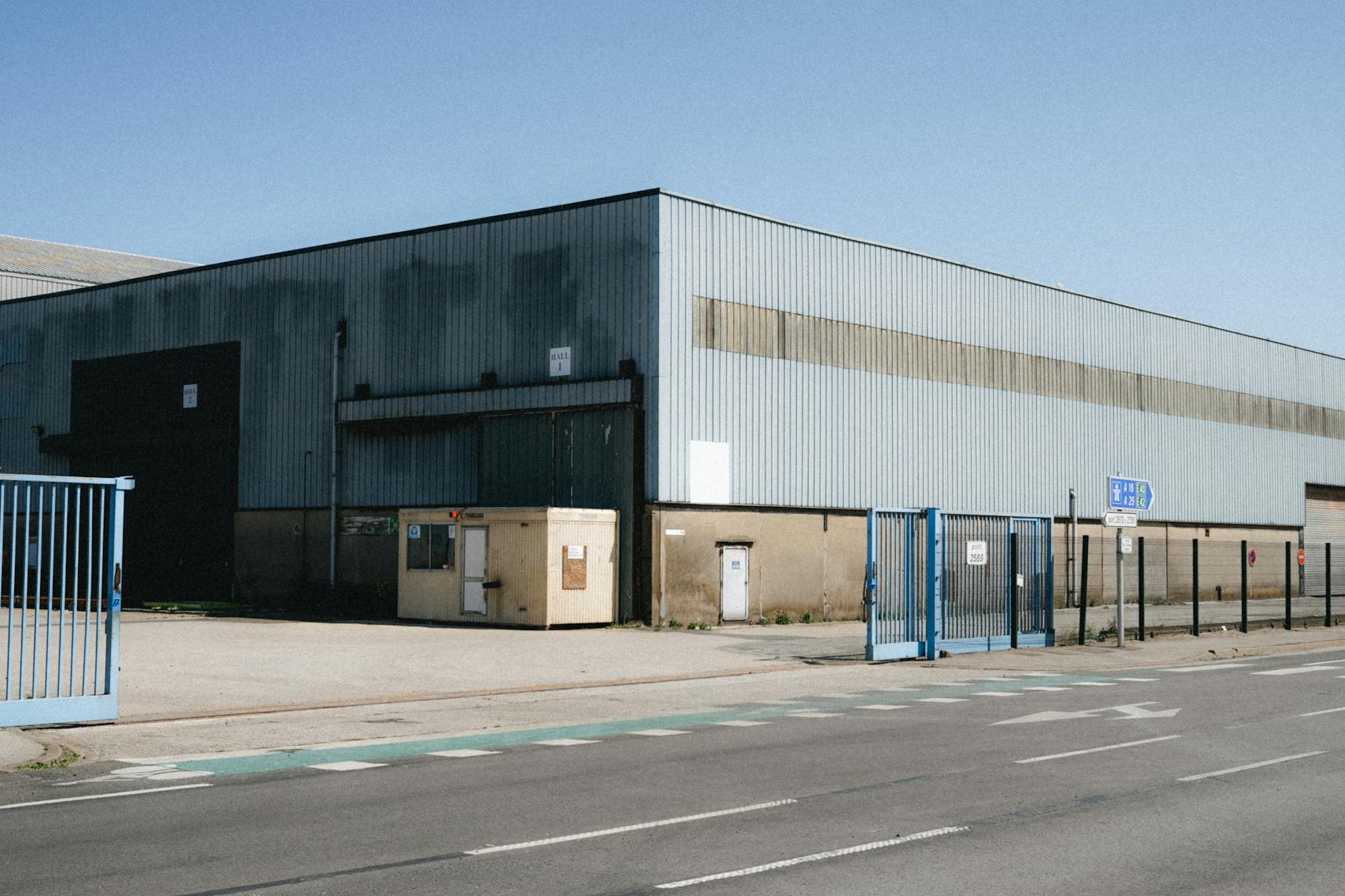
Singapore's logistics rental premium is underpinned by persistently low vacancy, with the island-wide logistics vacancy rate holding at approximately 4.3% as of end-Q1 2025. Demand has been driven by third-party logistics providers, pharmaceutical distributors, and e-commerce fulfillment operators, many of whom have locked in longer lease terms to secure modern facilities with adequate floor-to-ceiling heights and dock levellers. Rents for older, single-storey conventional warehouses have lagged considerably, averaging closer to S$1.20 to S$1.40 psf per month, highlighting a quality bifurcation that custodians need to track carefully.
However, analysts are beginning to flag that Singapore does not operate in a vacuum. Competing logistics hubs across the region — notably Johor Bahru in Malaysia, Batam in Indonesia, and emerging industrial corridors in Vietnam's Binh Duong province — are offering occupiers significantly lower occupancy costs, sometimes at 40% to 60% discounts on a per-square-foot basis. Several multinational corporations with regional distribution mandates have already begun splitting their footprint, retaining a Singapore node for high-value or time-sensitive cargo while shifting bulk storage functions to lower-cost regional alternatives. This trend, if it accelerates, could dampen net absorption in Singapore's logistics sector through the second half of 2025.
Supply Pipeline Adds Another Variable
The upcoming supply pipeline adds further complexity to the rental outlook. Approximately 3.2 million square feet of new logistics and warehouse space is scheduled for completion across Singapore between 2025 and 2026, with notable projects expected in Tuas, Jurong, and the Tampines LogisPark precinct. While much of this space has been pre-committed by anchor tenants, a portion remains available, and any softening in occupier demand could translate into modest rental corrections for secondary-grade stock. Developers and landlords with older assets will likely face the greatest pressure to offer incentives or refurbishment packages to retain tenants.
What This Means for Investors
For custodians assessing Singapore industrial and logistics assets, the near-term picture remains constructive but increasingly nuanced. Yields on prime logistics assets have compressed to the 4.8% to 5.2% range, leaving limited room for further cap rate tightening without corresponding rental growth to justify valuations. Investors acquiring assets today should stress-test underwriting assumptions against a scenario where rental growth moderates to 0.5% to 1.0% per annum from 2026 onward, rather than extrapolating the stronger momentum seen through 2023 and 2024.
Selective positioning remains the key strategy. Assets with long weighted-average lease expiry profiles, modern specifications, and proximity to port or airport infrastructure are best placed to weather any regional competitive pressure. Conversely, custodians holding older flatted or conventional warehouse stock should consider whether asset enhancement initiatives can reposition those properties before the supply wave arrives. The logistics sector in Singapore retains its fundamental appeal, but the era of near-automatic rental escalation may be giving way to a more discerning, quality-driven market.