

Singapore's serviced apartment operator The Assembly Place has reached a significant milestone, with its portfolio crossing the 100-property mark. The company simultaneously announced that an additional 1,490 keys are in its development pipeline, signalling aggressive expansion plans in the co-living and serviced accommodation sector.
The milestone positions The Assembly Place as one of Singapore's fastest-growing alternative accommodation providers, operating in a space that sits between traditional hotel stays and conventional residential leasing. The company's growth trajectory reflects a broader structural shift in how people live and work in the city-state.
The Business Model
The Assembly Place operates on a master-lease model, taking over entire residential properties from landlords and converting them into professionally managed serviced apartments. The model offers landlords guaranteed rental income without the hassle of tenant management, while providing occupants with hotel-like services — housekeeping, concierge, furnished interiors — at a price point below comparable hotel stays.
The approach has found a receptive market among several key demographics. Corporate relocations, where companies need to house incoming executives for periods of three to twelve months, represent a core demand driver. The post-pandemic normalisation of remote work has also created a new category of digital nomads and project-based professionals who need flexible, fully furnished accommodation for weeks or months at a time.
100 Properties and Counting
Reaching 100 properties in Singapore is a notable achievement for a company that has grown primarily through organic expansion rather than large-scale acquisitions. Each property in The Assembly Place's portfolio is individually sourced, negotiated, and fitted out — a labour-intensive process that requires both operational capability and deep landlord relationships.
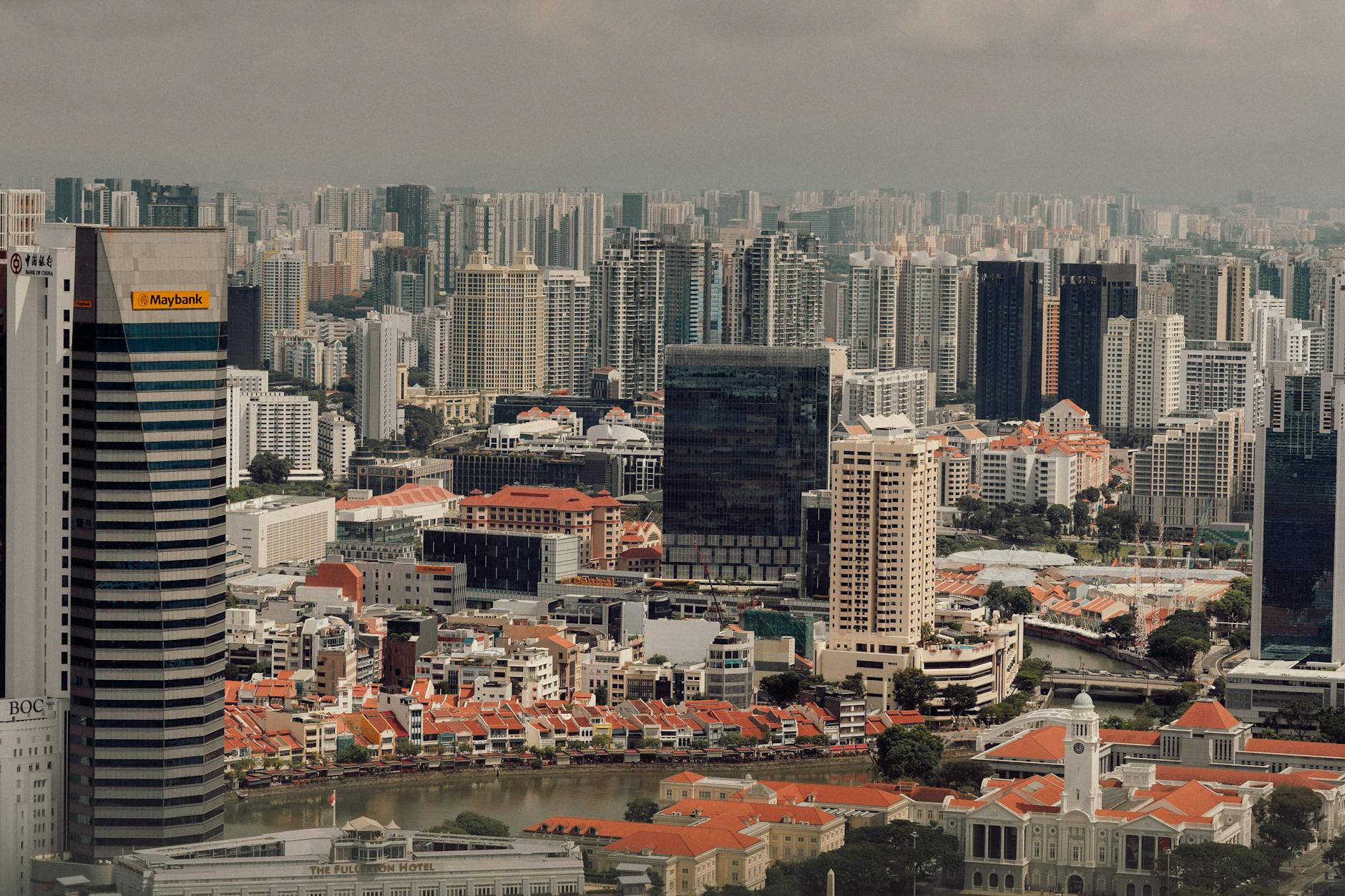
The portfolio spans multiple districts across Singapore, from the central CBD and Orchard Road corridor to suburban locations near business parks and educational institutions. This geographic diversification is deliberate: it allows the company to serve different market segments without over-concentrating risk in any single area.
Occupancy rates across the portfolio have remained robust, supported by Singapore's strong position as a regional business hub and the ongoing undersupply of medium-term accommodation options. The gap between short-term hotels and long-term residential leases — which typically require 12-month commitments — remains inadequately served by the traditional property market.
The Pipeline: 1,490 Keys
The 1,490-key pipeline represents a near-doubling of the company's current scale, suggesting that The Assembly Place sees substantial runway for continued growth. Converting the pipeline into operational properties will require significant capital deployment for fit-outs and working capital for lease obligations, but the company's track record of maintaining high occupancy provides the revenue base to support expansion.
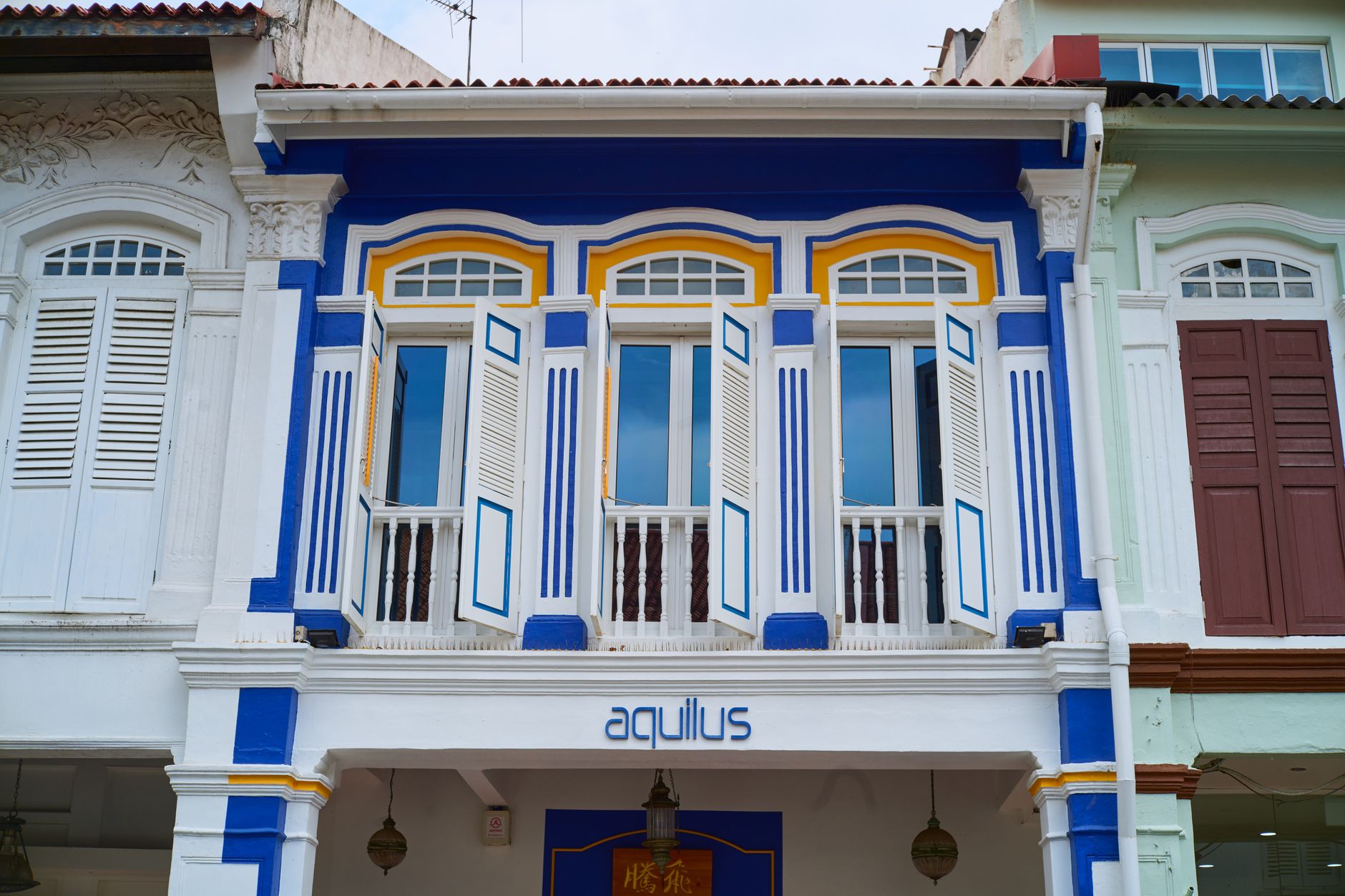
The pipeline likely includes a mix of residential condominiums, shophouse conversions, and purpose-built co-living developments. Singapore's regulatory framework for serviced apartments has become more clearly defined in recent years, with URA providing guidelines that help operators and landlords understand the permissible use of residential properties for short and medium-term stays.
Market Dynamics
The Assembly Place's growth comes against a backdrop of tightening residential supply and rising rents in Singapore. The Urban Redevelopment Authority's most recent data shows private residential rents continuing their upward trajectory, driven by limited new supply completions and sustained demand from foreign professionals.
For property owners, the master-lease model offers an attractive alternative to the direct rental market. Landlords who master-lease to operators like The Assembly Place receive guaranteed monthly income — typically at a modest discount to market rent — while avoiding the vacancy risk, tenant sourcing costs, and maintenance responsibilities that come with managing rental properties directly.
The arrangement is particularly appealing for investors who own multiple units. Managing a portfolio of individual rental properties is operationally demanding, and the emergence of professional operators who can take over entire buildings or multiple units has created an efficient alternative for passive income-oriented landlords.
Implications for the Property Market
The growth of operators like The Assembly Place has subtle but meaningful implications for Singapore's broader property market. By professionalising the management of residential units for short and medium-term stays, these operators effectively create a new asset class that sits between hotels and residential property.
For developers, the emergence of a deep and creditworthy pool of master-lease operators provides a viable exit strategy for unsold units. For investors, it offers a hands-off income model that mitigates the traditional risks of residential property investment. And for the city as a whole, it adds flexibility to the accommodation stock, making Singapore more attractive to the mobile professional workforce that the government has identified as critical to future economic growth.
The Assembly Place's 100-property milestone, and the ambitious pipeline behind it, suggests that the operator-managed accommodation model is moving from niche to mainstream in Singapore's property landscape. As the line between living and working continues to blur, flexible accommodation that can adapt to changing needs will only become more valuable — and more prevalent.