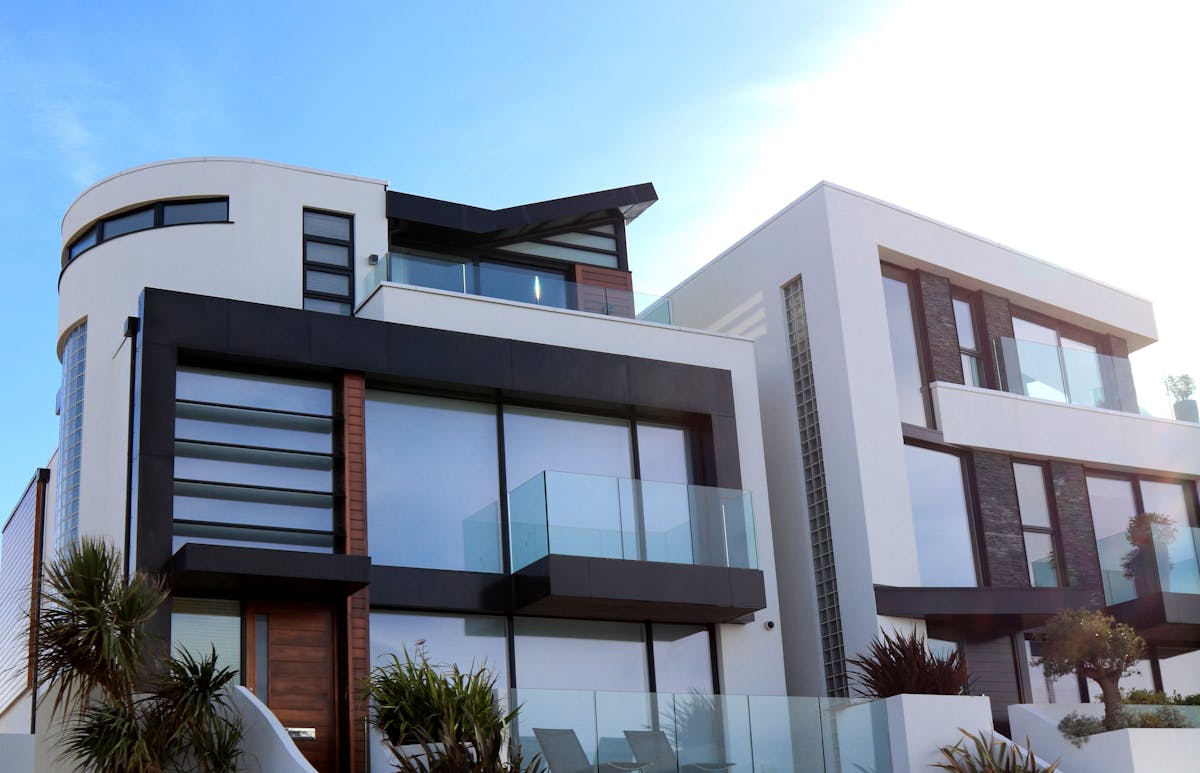


A Singapore buyer looking to pick up a second residential property today faces a gauntlet of friction costs that can quietly consume a double-digit share of the purchase price before the keys even change hands. Between Buyer's Stamp Duty, Additional Buyer's Stamp Duty, agent commissions, legal fees, and the near-inevitable renovation budget, the gap between what you pay and what the property is actually worth on day one is wider than many investors realise.
The true cost of a second property in Singapore
Start with stamp duty. For a S$2 million condominium — a mid-market unit in Districts 9 to 15 — the BSD alone runs to S$64,600 under the current progressive scale. Add the ABSD surcharge for Singapore citizens buying a second property (currently 20 per cent), and that is another S$400,000 before a single tile is laid. Total stamp duty: S$464,600, or roughly 23 per cent of the purchase price, paid upfront and non-recoverable.
Then layer on agent fees (typically 1 per cent of the transaction value), conveyancing and legal costs (S$3,000–S$5,000), and a renovation or rectification budget that rarely lands below S$50,000 for a resale unit. A conservative tally puts the all-in friction cost of acquiring that S$2 million property at well over S$500,000 — capital that earns no return and is gone before the mortgage repayments begin.
Why friction costs matter more than headline returns
Property bulls will point to historical appreciation. Fair enough — Singapore residential prices rose 7.5 per cent across 2023 according to URA data, and the long-run average sits around 3–5 per cent per annum. But when a quarter of the initial outlay disappears into transaction costs, the effective return on capital deployed looks considerably thinner.
This is precisely the gap that drives more sophisticated investors to model their property costs against alternative asset classes — assets where capital enters the market with less drag. Whisky casks, for instance, carry no stamp duty, require no mortgage, and under current HMRC treatment qualify as wasting assets exempt from Capital Gains Tax. The entry cost is the asset cost.
Run the numbers yourself
Rather than take anyone's word for it, use our interactive property-versus-whisky-cask calculator to plug in your own figures and see exactly how friction costs reshape the five-year return picture. The tool models stamp duty, mortgage interest, lost tax relief, and CGT against a cask portfolio's historical average returns — side by side, on the same invested capital.
It is not a case of one asset being universally superior. Property delivers rental yield, leverage benefits, and tangible utility that a barrel of Scotch sitting in a bonded warehouse does not. But understanding the real cost of entry — and what that capital could do elsewhere — is the kind of analysis that separates disciplined investors from buyers running on sentiment.
Try the calculator here and see where the numbers land for your situation.