
The RCR–CCR Price Gap Has Narrowed to $400 PSF — And Buyers Are Rethinking Their Postcode Strategy
RCR condos are now within $400 PSF of CCR benchmarks — the tightest spread since 2018. Here's what's driving the compression, and what investors should do about it.

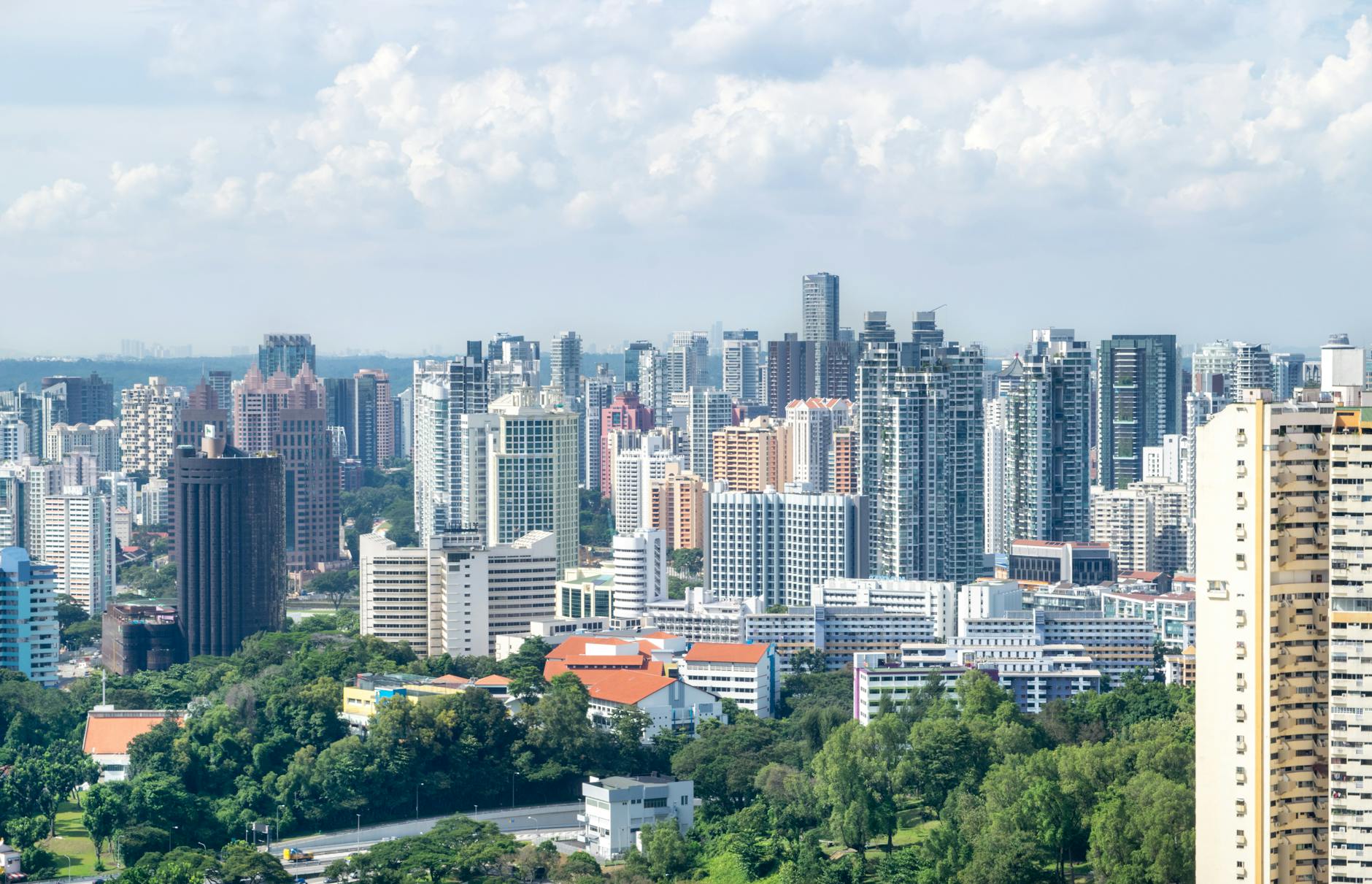
The Spread Is Shrinking
For most of the past decade, the price gap between Rest of Central Region and Core Central Region condominiums hovered between $600 and $900 PSF. In Q1 2026, that spread has compressed to approximately $400 PSF — the tightest it has been since 2018. The average transacted price for new CCR launches is currently $3,280 PSF; RCR is running at $2,870 PSF. The compression is not uniform across all RCR districts, but it is consistent enough to force a strategic recalculation for any buyer or investor who has been calibrating their purchase decision around the historical discount.
What's Driving the Compression
Three forces are converging. First, the Urban Redevelopment Authority's Greater Southern Waterfront master plan has rerated several RCR precincts — particularly Queenstown, Keppel, and Tanjong Pagar — as effectively quasi-CCR in terms of accessibility and long-term development density. Second, the SORA-linked interest rate environment, currently at 1.22%, has improved affordability across both regions but disproportionately benefited RCR buyers whose quantum is lower. Third, CCR supply has tightened: fewer than 1,400 new CCR units are expected to launch in 2026, compared with 3,200 in RCR.
The Data Box: RCR vs CCR Q1 2026
- CCR average new launch PSF: $3,280
- RCR average new launch PSF: $2,870
- Current price gap: ~$410 PSF (vs $650 PSF in Q1 2024)
- SORA 3-month compounded rate: 1.22% (March 2026)
- New CCR units expected 2026: ~1,400
- New RCR units expected 2026: ~3,200
- GLS benchmark (CCR white site, latest tender): $1,402 PSF ppr
What Investors Should Watch
The narrowing spread creates a specific decision point: if RCR pricing continues to close on CCR benchmarks, the traditional value proposition of the 'CCR-adjacent discount' evaporates. Buyers who purchased RCR units at 2022–23 prices are currently sitting on healthy paper gains — but the same buyers would need CCR-level growth to continue to justify holding rather than rotating. The more interesting play may now be in the fringe OCR districts adjacent to RCR boundaries: Clementi, Ghim Moh, and the Alexandra corridor, where comparable new launches are still clearing $2,100–$2,300 PSF. The compression story, if it continues, will eventually reach them too.


