
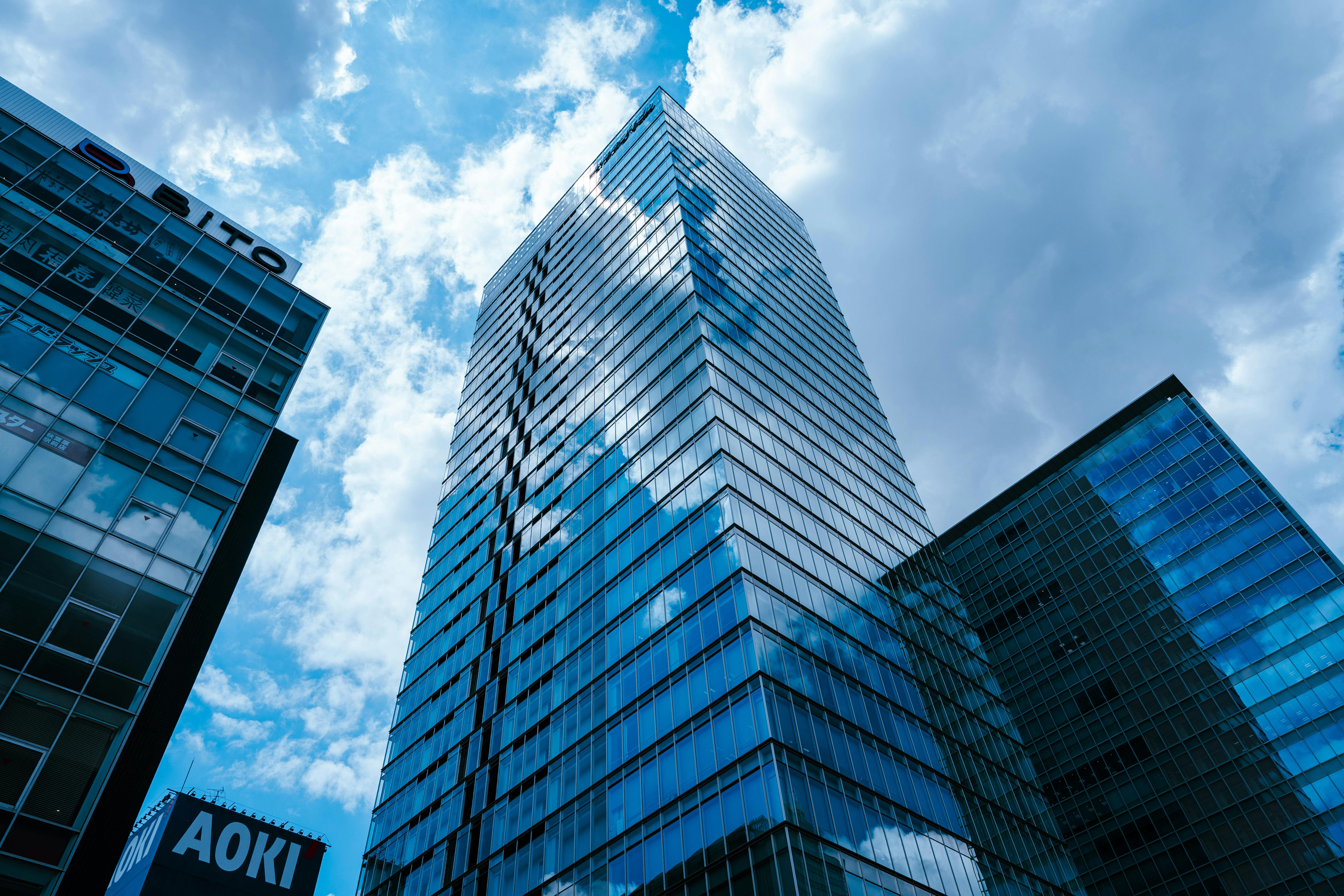
Tokyo's office market has reached a milestone that would have seemed improbable during the depths of the remote-work era: vacancy rates in the central business districts have fallen to their lowest point since before the pandemic, according to leasing data for Q1 2026. The figures confirm what brokers and landlords have been observing on the ground for several months — Japanese corporations have overwhelmingly returned their workforces to the office, and demand for quality CBD space is outpacing available supply.
Data from major commercial real estate agencies show that the Grade A vacancy rate across Tokyo's five central wards — Chiyoda, Chuo, Minato, Shinjuku, and Shibuya — averaged approximately 2.8 per cent in March 2026, down from a peak of around 6.5 per cent in mid-2021. This tightening has been accompanied by a resumption of rental growth, with prime office rents in Marunouchi and Otemachi rising roughly 4 per cent year-on-year.
The return-to-office trend in Japan has been more pronounced than in many Western markets, reflecting both cultural expectations around workplace presence and explicit directives from large employers. Major financial institutions, trading houses, and technology companies have scaled back remote-work allowances, and corporate occupiers are once again treating office quality as a competitive tool for attracting and retaining talent.
Demand is being led by several key sectors. Financial services firms — including domestic banks, asset managers, and an increasing number of foreign fund operators drawn by Japan's renewed attractiveness as a financial hub — have been among the most active lease signatories. The technology sector, though more variable, has also contributed to net absorption, particularly in Shibuya and Minami-Aoyama, where creative and digital firms cluster.
The supply side offers limited relief in the near term. While a handful of large-scale completions are expected in 2026 and 2027, pre-leasing rates on these projects are already high, suggesting that new stock will be absorbed quickly. The structural undersupply of modern, large-floor-plate office buildings in central Tokyo continues to benefit landlords.
For institutional investors, the Tokyo office market presents one of Asia's more compelling income stories. The combination of falling vacancy, rising rents, a weakened yen that enhances returns for foreign capital, and Japan's macroeconomic recovery has brought significant cross-border investment interest. Transaction volumes in the Tokyo commercial sector rose approximately 18 per cent year-on-year in Q1 2026, with foreign buyers accounting for a growing share of major deals. The outlook for the remainder of the year remains constructive, barring any unexpected deterioration in global economic conditions.