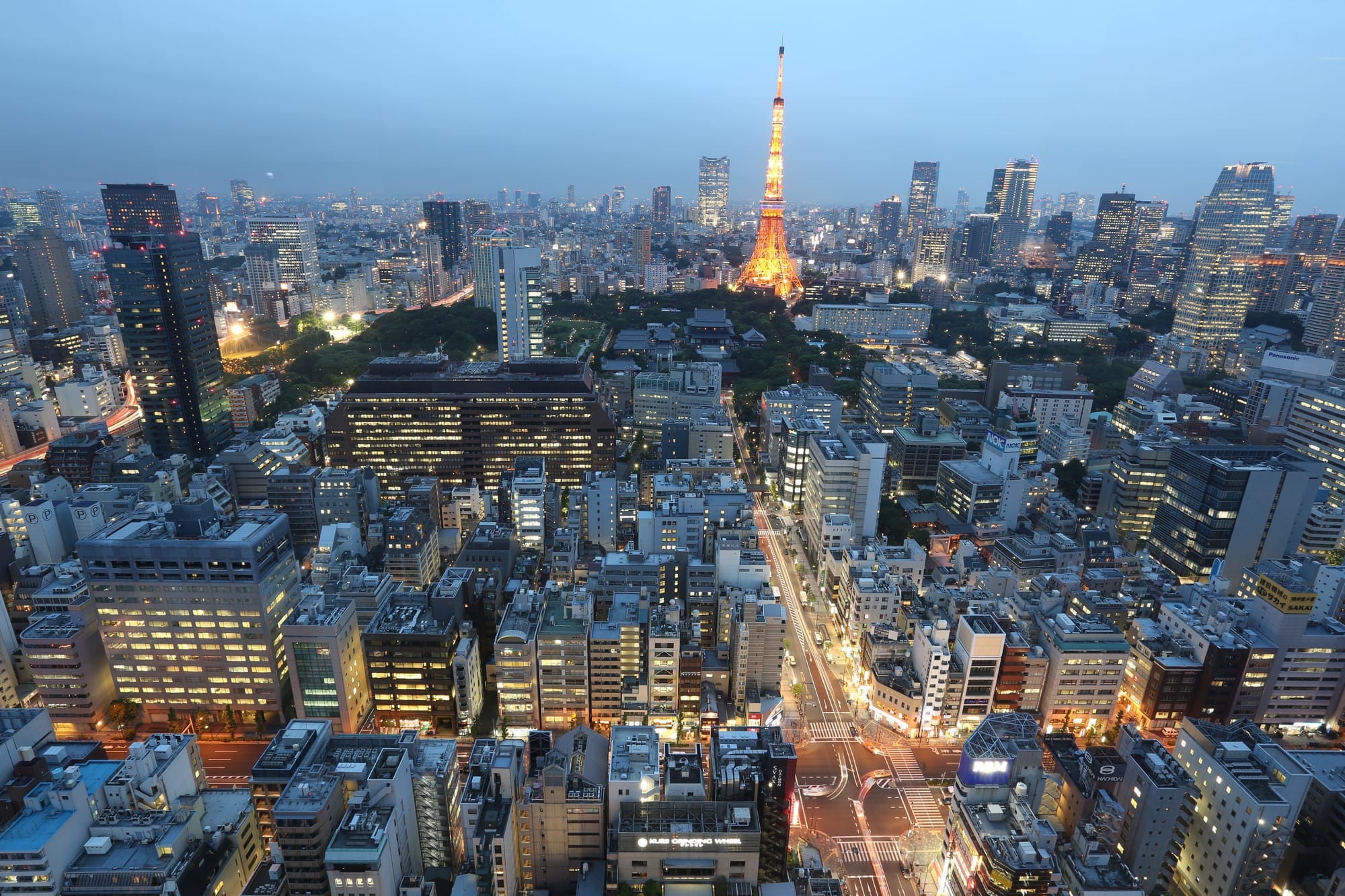
Tokyo property foreign investors are watching in 2026 is not a speculative story. It is a combination of currency, policy clarity, deep urban demand, and a market that still feels understandable even when global conditions are noisy.
For overseas buyers, Tokyo stands out because the legal structure is open, the ownership framework is relatively straightforward, and the city still offers a rare mix of scale, liquidity, and long-term rental depth. The real question is not whether foreigners can buy. It is which part of Tokyo fits the capital, yield, and holding period you actually have in mind.
Why Tokyo is back on foreign investor radar
A weaker yen can change the way an international investor looks at a Tokyo apartment tower, a family-size condo, or a compact unit in a central ward. If your income or portfolio is denominated in dollars, Singapore dollars, or another stronger currency, Tokyo can suddenly look more accessible than it did a few years ago.
That currency effect does not mean Tokyo has become cheap in local terms. It means the entry point can look better in foreign-currency terms while the city still gives you the transparency, professionalism, and tenant depth that many investors want when they put money into a major Asian market.
What foreigners can own
Japan is unusual in Asia because there is no broad foreign ownership ban on residential property. In practical terms, foreigners can buy apartments and houses in their own name, and ownership rights are well established. That makes Tokyo much easier to evaluate than markets where ownership can depend on project type, tenure rules, or complex approval layers.
The key caution is that the right to own does not remove the need for diligence. Buyers still have to understand building quality, earthquake standards, maintenance reserves, local taxes, management rules, and the difference between a lifestyle purchase and an investment-grade unit.
Best areas to shortlist first
Minato remains the classic prestige district. It is central, international, and easy to explain to almost any buyer. Shibuya offers a younger, more dynamic urban feel, while Shinjuku combines transport convenience with broad tenant demand and a deep commercial-residential mix.
Beyond those three, Tokyo investors often look at Chiyoda, Chuo, Meguro, and select parts of Setagaya or Shinagawa depending on whether the goal is yield, family use, or capital preservation. The right answer is not always the flashiest address. It is the district with the clearest tenant pool and the cleanest resale story.
Price ranges and what they buy you
Tokyo price ranges vary widely by ward, age of building, proximity to rail, and unit size. A compact city apartment may be accessible to a broader pool of buyers, while central family-size stock in prime wards can quickly move into serious capital territory. New-build prestige towers can command a premium, but older stock with good maintenance and excellent access can still represent value.
The important point is not to chase the cheapest square footage. In Tokyo, a good layout, solid building management, and proximity to transport often matter more than headline size. A well-placed one-bedroom can outperform a badly configured larger unit if the tenant and resale markets are stronger.
How financing works
Foreign financing is possible, but it is not automatic. Japanese banks and local lenders will look at your residency status, income profile, source of funds, assets, debt service, and how clean your documentation is. Some buyers can secure attractive terms, while others need to plan for a larger cash contribution or work through a local banking relationship.
That means pre-approval matters. If you are buying from abroad, do not assume the property process itself will tell you whether the deal works. Confirm financing, transfer process, and tax treatment before you start falling in love with floor plans or city views.
Rental yields and who rents in Tokyo
Tokyo rental yields are usually not the highest in Asia, but that is only half the story. What matters is tenant depth. A market with slightly lower yields but stronger liquidity, lower vacancy risk, and more predictable resale can be a better investor experience than a higher-yield market with more friction.
The typical tenant base includes young professionals, couples, expats, and domestic renters who value rail access and efficient layouts. That supports compact and mid-sized units in the right wards, especially when the building is well managed and the commute profile is strong.
The real purchase process
A sensible purchase process starts with the budget and the intended use. Are you buying for rental income, capital preservation, future family use, or currency diversification? Once that is clear, you can narrow the search to a handful of wards and unit types that actually fit your objective.
Then you need local support. A licensed agent, a conveyancing lawyer, and a tax-aware adviser can help you confirm title, building condition, payment schedule, and any issues that may not be obvious from the listing. Tokyo rewards calm due diligence. It does not reward rushed optimism.
What can go wrong
Foreign buyers can make expensive mistakes in Tokyo by ignoring building age, underestimating maintenance costs, or assuming every central ward will behave the same way in the resale market. Earthquake resilience, repair schedules, and strata governance are not side notes. They are part of the asset quality.
A second mistake is overfitting the purchase to the yen story. Currency moves can help or hurt, but the property still needs to stand on its own. If the unit only works because the exchange rate looks attractive this month, the deal is probably too fragile.
How Tokyo compares with Singapore
Tokyo and Singapore are often compared because both are major, disciplined Asian cities with international appeal. Singapore is tighter on foreign ownership and far more punitive on tax for many foreign buyers. Tokyo is more open on ownership and often easier to enter, but the market feels more nuanced at the building level.
If Singapore is the capital-preservation benchmark, Tokyo is the liquidity-and-access benchmark. Both can belong in a serious Asian property conversation, but they solve slightly different problems for the investor.
Final checklist for foreign buyers
Before you buy, confirm the ward, building age, rail access, management quality, financing path, taxes, and likely exit buyer. If those six items are clear, the purchase is probably worth deeper analysis. If they are not, keep looking.
Tokyo property foreign investors in 2026 should think like owners, not tourists. The market rewards patience, excellent execution, and a willingness to choose the best building in the right district instead of the cheapest headline price.
Taxes, transaction costs, and holding math
Even when Tokyo looks attractive on the screen, the all-in math still matters. Transfer taxes, registration costs, acquisition-related fees, ongoing management charges, and local property tax all affect the return profile. A unit that looks fine on gross rent can become far less attractive once those carrying costs are included.
That is why investors should model the property on a conservative basis. Assume a realistic vacancy rate, include a repair buffer, and think about the cost of unwinding the position later. A low-friction purchase with moderate yield often beats a slightly higher-yield purchase that is more expensive to own and harder to exit.
Who Tokyo suits best
Tokyo is often best for buyers who want a disciplined, transparent city market with strong tenant demand and a long holding horizon. It can suit private investors who want diversification, family buyers who value a global city base, and wealth holders who prefer a market where the property logic is easier to explain than in many frontier locations.
It is less suitable for anyone who wants quick flips, headline-grabbing leverage, or a market that can be understood entirely from marketing brochures. Tokyo rewards detail. If you like process, the market can be very compelling. If you like shortcuts, it can be frustrating.
How to evaluate a unit before you commit
Before you sign anything, look at the building as a living asset rather than a postcard. Check the maintenance history, the age of the structure, the quality of the lobby and common areas, the elevator system, and whether the building feels cared for by owners who plan to hold rather than speculate. Those details often tell you more about future resale quality than a glossy sales deck ever will.
Then look at the unit itself. A good Tokyo purchase usually feels efficient, quiet, and easy to explain. The hallway, orientation, natural light, and storage layout matter because they affect both living quality and tenant appeal. If the apartment feels awkward on the first visit, it will probably feel awkward after closing too.
Recommended reading
- Best Property Investment Markets in Asia 2026
- How to Buy Property in Singapore as a Foreigner (2026 Guide)
- Singapore Additional Buyer's Stamp Duty - Complete Guide 2026
For context, compare this market with Best Property Investment Markets in Asia 2026, How to Buy Property in Singapore as a Foreigner (2026 Guide), and Singapore Additional Buyer's Stamp Duty - Complete Guide 2026.
The bottom line is simple: Tokyo is one of the few Asian city markets where foreign investors can still buy with relative clarity, but the best outcomes come from disciplined district selection, realistic financing, and a long enough horizon for the market to do its work.