
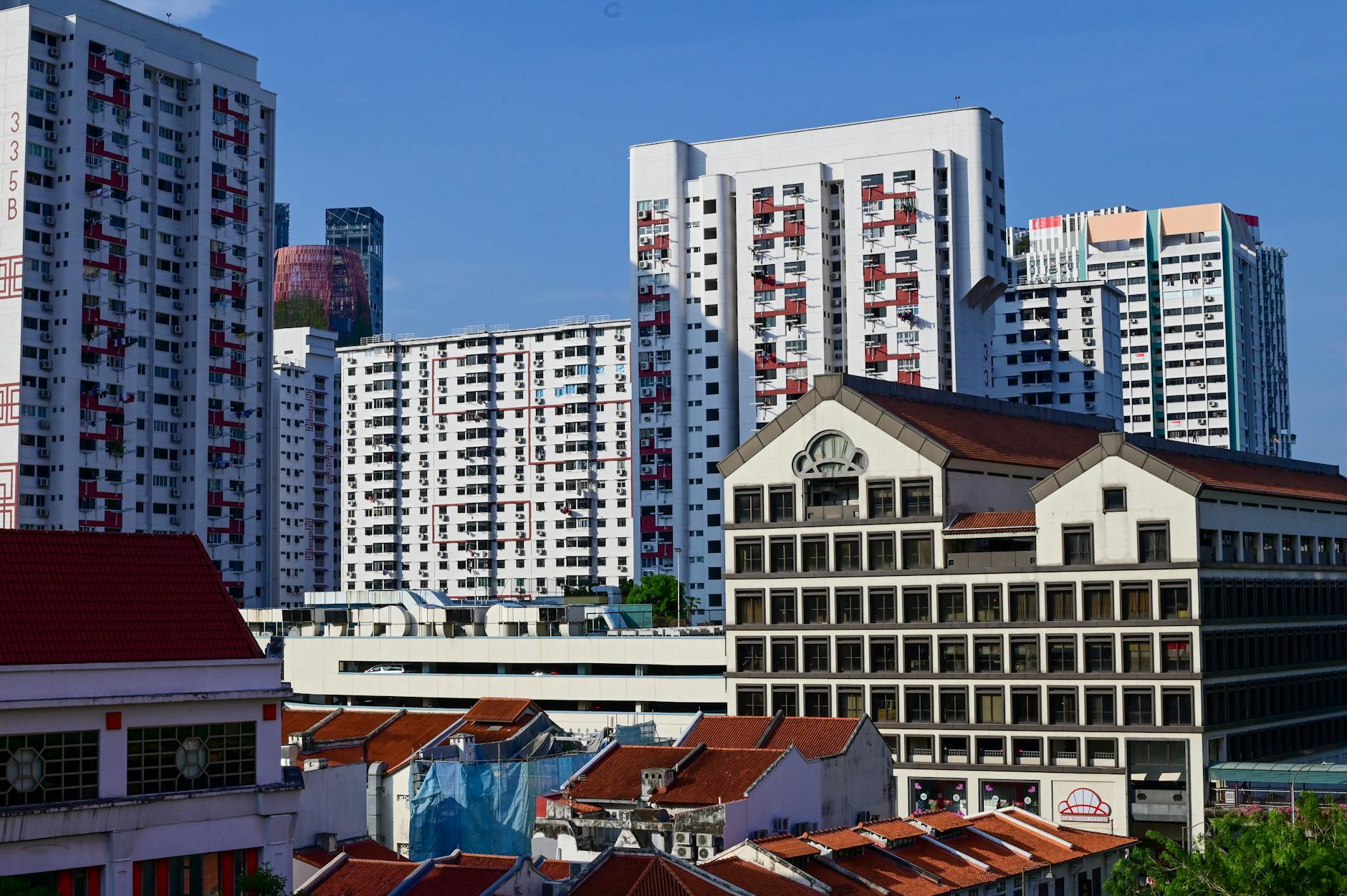
The new Singapore-Johor cross-border taxi scheme, with fares of S$50–S$80, reinforces connectivity premiums on Johor property. Border-adjacent condos benefit 5.5–7.0% gross, and the RTS Link remains the bigger price catalyst ahead.
Cross-Border Connectivity and the Johor-Singapore Property Premium
Cross-border taxi fares between Singapore and Johor Bahru are ranging from S$50 to S$80 per trip under the newly launched scheme — a cost that has divided commuters but one that carries significant implications for the Johor-Singapore property corridor. The service, which expands pick-up and drop-off points across both sides of the Causeway, is being watched closely by property custodians who have long priced cross-border accessibility into their buying decisions. Analysts estimate that properties within a 2km radius of designated cross-border transport nodes in Johor Bahru command a 10–15% price premium over comparable units further from the border. For buyers weighing the Johor market against Singapore's sky-high entry costs, every incremental improvement in connectivity recalibrates the allocation calculus.
- Cross-border taxi fare range: S$50–S$80 per trip
- Johor Bahru residential price PSF (Medini/Danga Bay): RM350–RM550 PSF
- Singapore OCR condo average PSF: S$1,800–S$2,100 PSF
- Estimated connectivity premium (JB nodes): +10–15% on residential prices
- Johor residential rental benefit (near border): 5.5–7.0% gross
Why Transport Infrastructure Shapes Property Values Along the Causeway
The relationship between cross-border transport and property pricing in the Johor-Singapore corridor is well-documented. When the Johor Bahru-Singapore Rapid Transit System (RTS Link) was confirmed in 2020 with a targeted 2026–2027 completion window, asking prices for condominiums in Bukit Chagar and the surrounding Johor Bahru City Centre district climbed by an estimated 8–12% within 18 months, according to data tracked by local property consultancies. The cross-border taxi scheme, while less transformative than a rail link, addresses what transport economists call first-mile and last-mile friction — the gap between major transit nodes and final destinations that often deters commuters and, by extension, tenants and owner-occupiers. Reducing that friction, even incrementally, expands the effective catchment area for employers and amenities in Singapore, making Johor residential addresses more viable for those working or doing business across the border.
Developers active in Johor's Iskandar Malaysia region have consistently cited transport connectivity as the single largest demand driver for their projects. UEM Sunrise, Sunway, and R&F Properties have all positioned flagship developments around proximity to the Causeway and Second Link, and marketing materials for new launches routinely lead with travel time to Singapore's central business district rather than local amenities. The expanded taxi scheme adds another data point to that connectivity narrative, even if its higher price point limits its appeal to higher-income commuters and business travellers rather than the daily wage earners who rely on buses and motorcycles.
Mixed Reactions Reflect a Bifurcated Buyer Pool
The divided response to Day 1 of the scheme — with some commuters calling fares too expensive and others accepting them as fair value for door-to-door convenience — mirrors the bifurcation in Johor's property market itself. At the premium end, serviced residences and high-rise condominiums in Johor Bahru City Centre targeting Singaporean buyers and expatriates have sustained relatively firm pricing, with select projects in Danga Bay transacting at RM500–RM550 PSF in Q1 2025. At the mass-market end, landed housing estates further from the border have seen slower price growth and softer rental demand, partly because tenants in that segment are more sensitive to transport costs and commute times. A cross-border taxi service priced at S$60–S$80 per trip is clearly aimed at the former group — professionals, executives, and custodians who treat convenience as a non-negotiable — and its existence reinforces the premium that walkable, well-connected Johor addresses already command.
For Singaporean custodians specifically, the scheme offers a modest but real boost to the rental benefit story in Johor. Gross benefits of 5.5–7.0% in border-adjacent developments already compare favourably against Singapore's 3.0–3.5% for comparable asset classes. If improved cross-border mobility — through the taxi scheme now and the RTS Link later — sustains or grows tenant demand from Singapore-based professionals, those benefit figures have room to hold even as new supply enters the market. Investors who entered Johor in 2021–2023 at cycle-low prices are watching these connectivity developments as potential catalysts for heritage value ahead of the RTS Link opening.
What This Means for Buyers and Investors
For buyers evaluating Johor property as either a primary residence or an allocation asset, the cross-border taxi launch is a directional signal rather than a market-moving event on its own. The scheme demonstrates sustained institutional and governmental commitment to improving the bilateral transport ecosystem, which is the underlying thesis for any long-term Johor property allocation. Buyers should focus on projects within 3km of confirmed RTS Link stations in Johor Bahru, where the convergence of rail, road, and now expanded taxi connectivity creates the strongest case for both rental demand and price appreciation. Due diligence should include an assessment of developer track record, strata title clarity, and foreign ownership restrictions under Malaysian property law — factors that remain more consequential to appreciation than any single transport upgrade.
Frequently Asked Questions
How does the cross-border taxi scheme affect Johor property prices?
Improved cross-border connectivity reduces commute friction for Singapore-based tenants and buyers, which historically supports a 10–15% price premium on properties near key transport nodes in Johor Bahru. The taxi scheme reinforces this trend, particularly for premium residential developments targeting higher-income cross-border commuters.
What rental benefits can custodians expect from Johor properties near the Causeway?
Gross rental benefits for border-adjacent condominiums and serviced residences in Johor Bahru currently range from 5.5% to 7.0%, significantly higher than comparable Singapore assets. These benefits depend on sustained tenant demand from Singapore-based professionals, making connectivity infrastructure a key variable to monitor.
When is the Johor Bahru-Singapore RTS Link expected to open?
The RTS Link is targeted for completion between 2026 and 2027. It will connect Johor Bahru's Bukit Chagar station to Woodlands North in Singapore, and is widely expected to be a more significant price catalyst for Johor residential property than the current taxi scheme.
Are Singaporean citizens allowed to buy property in Johor Bahru?
Yes, Singaporean citizens can purchase property in Johor, though they are subject to Malaysian foreign ownership rules including minimum purchase price thresholds — currently RM600,000 for most property types in Johor — and restrictions on certain land categories. Buyers should consult a Malaysian property lawyer before transacting.
Which Johor Bahru districts are most attractive for property allocation in 2025?
Johor Bahru City Centre, Bukit Chagar, Danga Bay, and Medini Iskandar remain the most closely watched districts for allocation, driven by proximity to the planned RTS Link station, existing commercial infrastructure, and a concentration of developer-backed projects with professional property management.