
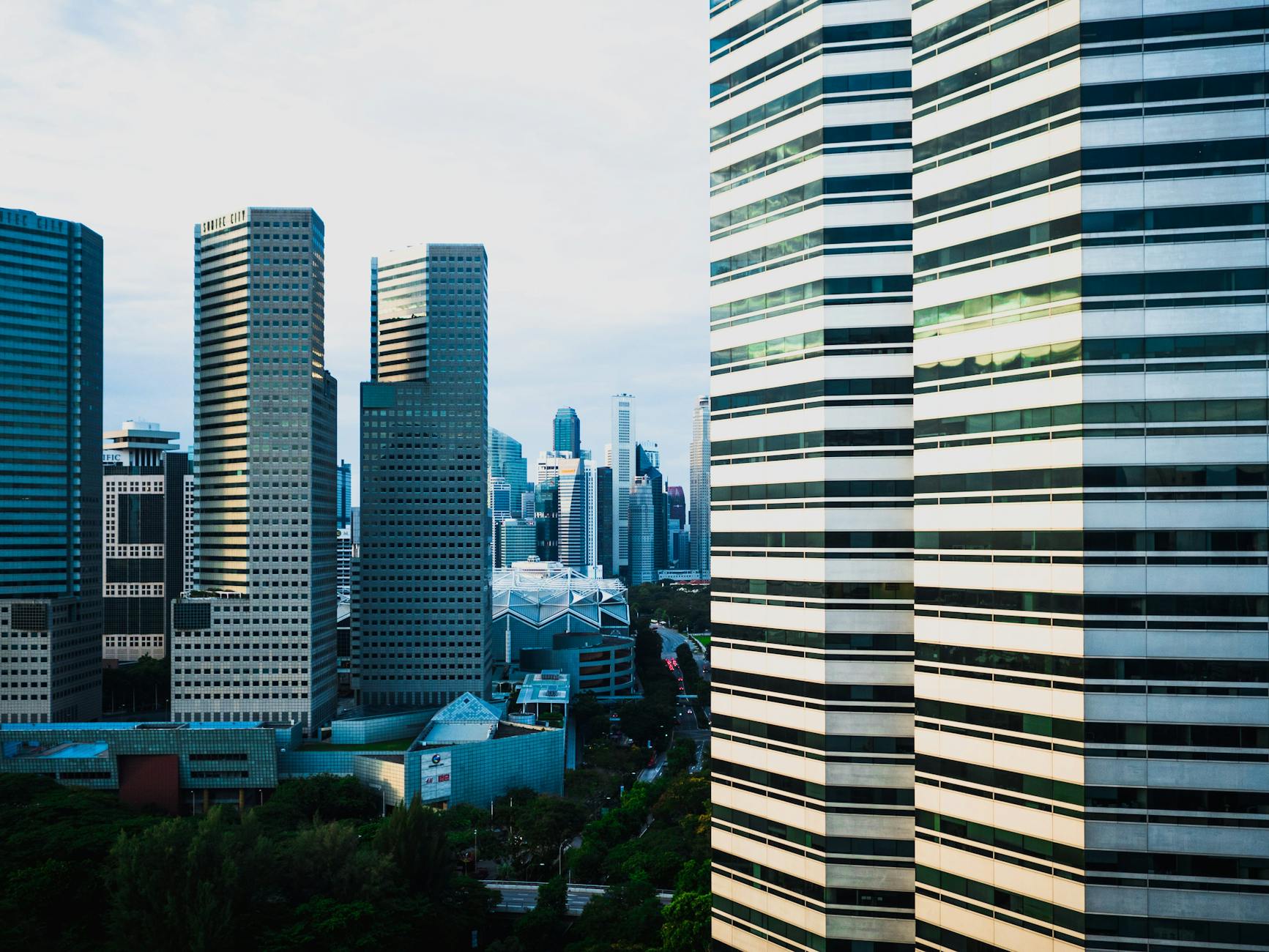
Why Singapore and Hong Kong Expats Are Retiring Elsewhere in Asia
With Singapore median rents hovering near SGD 4,000 per month for a two-bedroom apartment and Hong Kong remaining one of the world's most expensive cities for housing, retirement within either city-state is increasingly a luxury reserved for the wealthy. A growing cohort of long-term expats — professionals who built careers and savings in these financial hubs — are now scanning the wider region for cities where their nest egg stretches further without sacrificing urban convenience, healthcare quality, or the social fabric they value.
The ten destinations ranked below were assessed on housing value, rental yield logic for investors, healthcare infrastructure, residency or long-stay visa accessibility, and overall lifestyle fit for English-speaking retirees from Singapore or Hong Kong.
Rankings 1–5: Best-Value Retirement Destinations
1. Penang, Malaysia — George Town consistently tops regional retirement surveys for good reason. The Malaysia My Second Home (MM2H) programme, while tightened in recent years, remains one of Asia's most structured long-stay visa pathways. Monthly living costs for a couple range from MYR 5,000 to MYR 8,000 (roughly SGD 1,500–2,400), and freehold condominiums in Gurney Drive or Tanjung Tokong are available from MYR 500,000. Private hospitals such as Gleneagles Penang and Pantai Hospital serve international patients to a standard familiar to Singapore-based patients. UNESCO heritage streetscapes, a thriving food scene, and English as a daily working language make the cultural transition minimal.
2. Kuala Lumpur, Malaysia — For expats who want metro infrastructure, KL delivers. Mont Kiara and Bangsar South offer serviced residences popular with retiring professionals. Rental yields in established condominiums run 4–5.5%, making a buy-to-hold strategy viable for those who want an asset base in the region. Healthcare at Prince Court or Pantai Hospital KL matches regional benchmarks. Cost of living is notably lower than Penang on a per-square-foot housing basis.
3. Johor Bahru, Malaysia — JB is the proximity play for Singapore expats unwilling to leave the Singapore orbit entirely. The Rapid Transit System Link, when fully operational, will cement JB as an extension of Singapore's commuter belt. Forest City and Medini Iskandar offer new-build condominiums at prices unthinkable across the Causeway. Retirees who maintain ties to Singapore — family, medical specialists, social networks — find JB a practical base with Malaysian cost structures.
4. Chiang Mai, Thailand — Thailand's Thailand Long-Term Resident (LTR) visa, introduced in 2022, offers a 10-year renewable stay for qualifying retirees with passive income or savings thresholds. Chiang Mai's Nimmanhaemin and Santitham districts have developed a mature international retiree community. Monthly costs for a comfortable lifestyle sit between THB 40,000 and THB 70,000. Private hospitals including Bangkok Hospital Chiang Mai offer international-standard care.
5. Bangkok, Thailand — Bangkok delivers world-class infrastructure, international hospitals, and a property market accessible to long-term lessees. Foreign ownership restrictions mean most retirees opt for long-term leasehold condominiums in Sukhumvit or Silom. The city's BTS Skytrain connectivity rivals Singapore's MRT for urban mobility. Healthcare at Bumrungrad International or Bangkok Hospital is frequently cited as Asia's best private care outside of Singapore and Hong Kong themselves.
Rankings 6–10: Lifestyle and Emerging Destinations
6. Phuket, Thailand — Resort living with healthcare access from Bangkok Hospital Phuket. Laguna and Bang Tao areas offer villa rentals and long-lease developments suited to retirees seeking a beach lifestyle. More expensive than Chiang Mai but significantly cheaper than Sentosa Cove.
7. Bali, Indonesia — Bali's KITAS (limited stay permit) for retirees requires a local sponsor, which adds administrative complexity. However, Canggu and Ubud have established international communities. Foreign ownership of land is restricted; leasehold villas for 25–30 years are standard and widely traded. Costs are low, but healthcare for serious conditions typically requires evacuation to Singapore.
8. Da Nang, Vietnam — Vietnam does not offer a dedicated retirement visa, and stays are typically managed through tourist visa extensions or business categories. That said, Da Nang's My Khe beachfront and An Thuong expat corridor offer exceptional lifestyle value. A sea-view apartment rents for under USD 700 per month. Healthcare remains the primary caveat; serious conditions require travel to Ho Chi Minh City or Bangkok.
9. Hoi An, Vietnam — For retirees seeking a slower pace, Hoi An's ancient town and An Bang Beach neighbourhood offer genuine charm. Property is not available for foreign freehold purchase, so long-term rentals are the norm. Monthly living costs can be managed comfortably below USD 2,000 for a couple.
10. Taipei, Taiwan — Taipei sits at the premium end of this list. The Gold Card visa offers a structured residency pathway for qualifying professionals and retirees meeting income thresholds. National Health Insurance coverage can be accessed by eligible residents. Housing in Da'an or Xinyi districts is more expensive than Southeast Asian peers but delivers Japanese-standard urban efficiency and food culture. Taipei suits expats who prioritise safety, cleanliness, and civic infrastructure over cost savings.
Rent or Buy: Key Considerations for Expat Retirees
| Destination | Foreign Freehold? | Avg Monthly Rent (2BR) | Residency Visa |
|---|---|---|---|
| Penang | Yes (condos) | MYR 2,500–4,500 | MM2H |
| Kuala Lumpur | Yes (condos) | MYR 3,000–6,000 | MM2H |
| Johor Bahru | Yes (condos) | MYR 1,800–3,500 | MM2H |
| Chiang Mai | Leasehold only | THB 15,000–35,000 | LTR / Retirement Visa |
| Bangkok | Leasehold only | THB 25,000–60,000 | LTR / Retirement Visa |
| Phuket | Leasehold only | THB 30,000–80,000 | LTR / Retirement Visa |
| Bali | Leasehold only | USD 700–1,800 | KITAS (complex) |
| Da Nang | No freehold | USD 500–900 | No retirement visa |
| Hoi An | No freehold | USD 400–800 | No retirement visa |
| Taipei | Yes | TWD 25,000–50,000 | Gold Card |
Healthcare and Tax: What Retirees Must Verify
Healthcare quality varies significantly across this list. Malaysia's private hospital network is the most Singapore-familiar, with direct billing arrangements and English-speaking specialists. Thailand's flagship private hospitals in Bangkok and Chiang Mai are internationally accredited and attract medical tourists from across the region. Vietnam and Indonesia require realistic contingency planning for serious medical events, including medical evacuation coverage in any insurance policy. Taipei's NHI system is exceptional for eligible residents but access for new arrivals requires meeting residency duration requirements.
On taxation, retirees are strongly advised to seek independent, jurisdiction-specific tax advice before relocating. Tax treatment of overseas pension income, investment returns, and property ownership differs materially across Malaysia, Thailand, Indonesia, Vietnam, and Taiwan. Singapore and Hong Kong tax treaties with these destinations also affect individual circumstances differently. Nothing in this article constitutes tax advice.
Frequently Asked Questions
Which country is easiest for Singapore expats to retire to? Malaysia is generally considered the most straightforward transition for Singapore expats due to geographic proximity, English-language functionality, shared cultural familiarity, and the MM2H long-stay visa programme, despite its recent tightening.
Can foreigners buy property in Thailand for retirement? Foreign nationals cannot own Thai land freehold. Condominium units in buildings where foreign quota (49% of units) is available can be purchased freehold. Long-term leasehold arrangements of 30 years, sometimes renewable, are common for villas and houses.
What is the cheapest Asian country to retire to from Hong Kong? Vietnam — specifically Da Nang or Hoi An — offers the lowest monthly living costs on this list, with comfortable lifestyles achievable below USD 2,000 per month for a couple. The trade-off is limited visa certainty and less developed healthcare infrastructure.
Is Taipei a realistic retirement destination for expats from Hong Kong? Taipei is increasingly popular with Hong Kong expats in particular, given shared cultural and linguistic familiarity with Mandarin. The Gold Card visa provides a credible residency pathway. Costs are higher than Southeast Asian peers but the urban quality of life, safety record, and healthcare access are exceptional.
For expats reviewing how to fund a longer retirement, some investors are exploring alternative asset classes alongside property. Whisky casks have attracted attention as a tangible, long-term store of value outside conventional equity and bond markets. Whisky Cask Club provides information on cask ownership as one option some investors consider when diversifying retirement funding strategies — independent financial advice remains essential before committing to any such asset class.