
Vietnam's industrial property market has quietly become one of the most competitive investment destinations in Southeast Asia, and logistics parks are at the centre of the story. Driven by a sustained wave of manufacturing relocations, surging e-commerce volumes, and improving infrastructure, the country's industrial real estate sector posted record absorption figures in 2025 — and the momentum is carrying into 2026 with no clear signs of deceleration.
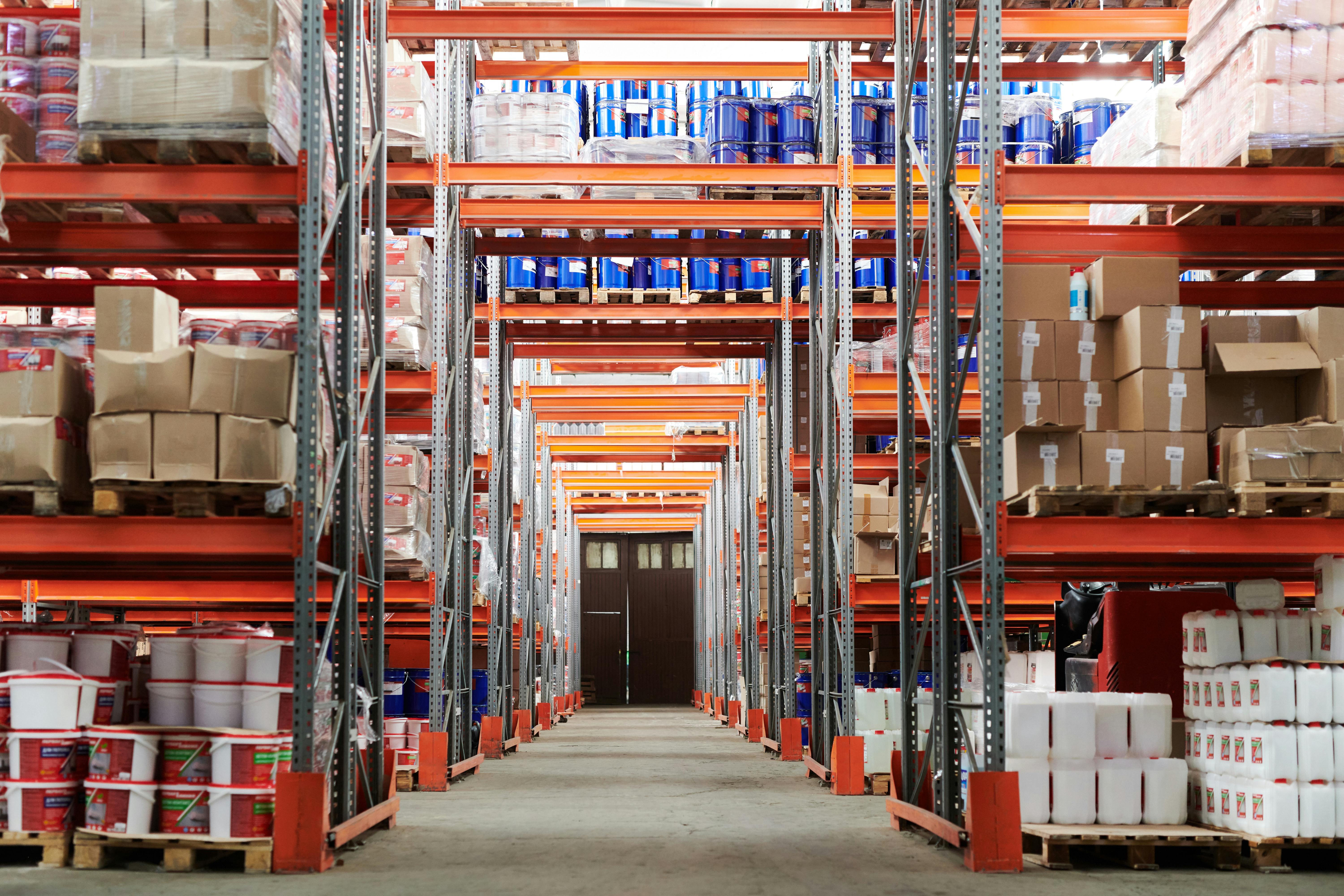
Net take-up of industrial and logistics space across Vietnam's key manufacturing provinces reached approximately 2.8 million square metres in 2025, according to figures compiled by major commercial property agencies. The northern cluster — Hanoi, Bac Ninh, Binh Duong, and Hai Phong — and the southern belt anchored by Ho Chi Minh City and Binh Duong continue to lead absorption. Occupancy rates at Grade A logistics parks in prime locations are running above 95 per cent, and some well-located facilities report waiting lists for tenancy.
The structural driver is clear: global manufacturers continue to diversify supply chains away from single-country dependency, and Vietnam has emerged as one of the primary beneficiaries. Electronics, semiconductors, footwear, textiles, and increasingly precision engineering components are all represented in the tenant mix of modern Vietnamese logistics parks. Samsung, LG, and a cluster of Taiwanese and Korean component suppliers have anchored the northern industrial zones, while consumer goods and automotive parts manufacturers dominate in the south.
Rental growth has followed occupancy upward. Prime logistics rents in Ho Chi Minh City's adjacent provinces now average between US$5.50 and US$6.50 per square metre per month — up roughly 15 per cent over the past two years. Land prices in well-connected industrial zones have appreciated even more sharply, creating significant unrealised gains for early-entry investors.
Institutional capital has taken notice. Singaporean REITs, Korean pension funds, and US private equity real estate platforms have all made Vietnam industrial acquisitions or fund commitments in the past 18 months. The development pipeline has expanded accordingly, with over 4 million square metres of new industrial and logistics space under construction across the country as of early 2026.
The primary risk for investors is infrastructure. While Vietnam's highway network and port capacity have improved considerably, congestion at key logistics nodes remains a constraint that can erode the operational efficiency gains that attract tenants in the first place. Power reliability, particularly for energy-intensive manufacturing operations, is another factor that sophisticated tenants examine closely before committing. Developers who invest in high-specification infrastructure — including backup power, multi-modal access, and modern cold-chain facilities — are commanding significant rental premiums over older, lower-grade stock. That gap is expected to widen as tenant requirements become more sophisticated through 2026 and beyond.