Vietnam's Real Estate Boom: What Investors Need to Know


Vietnam real estate has emerged as one of Asia's most compelling investment stories of the mid-2020s. Fuelled by a young, urbanising population, rapid economic growth averaging 6-7% annually, and a government actively courting foreign capital, Vietnam's property markets in Ho Chi Minh City, Hanoi, and Da Nang are drawing increasing attention from regional and international investors seeking high-growth emerging market exposure.
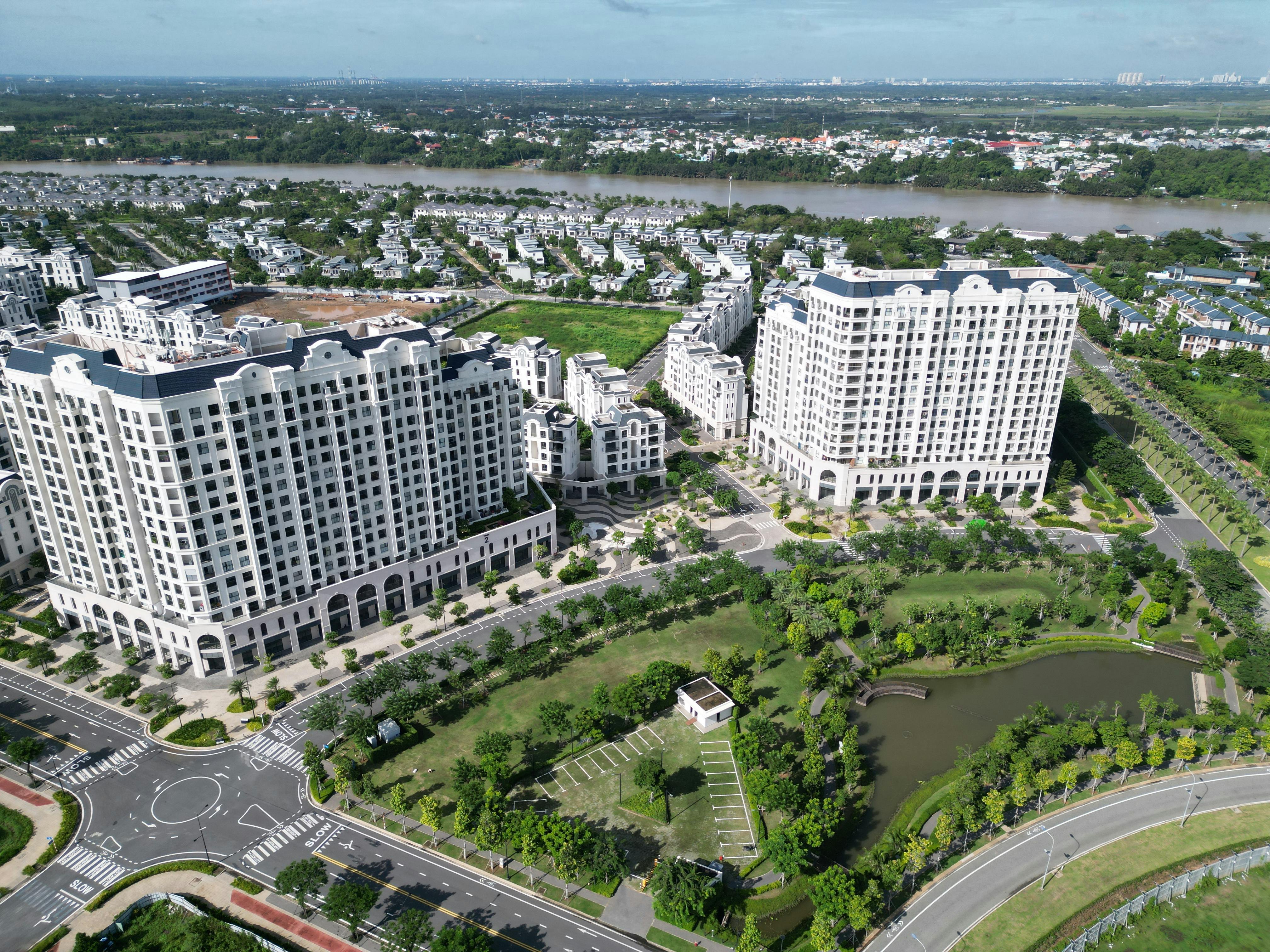
Ho Chi Minh City (HCMC) remains the epicentre of Vietnam's property boom. The city's District 2 and Thu Duc City corridor — home to the sprawling Thu Thiem New Urban Area — has attracted billions in developer investment, with mixed-use high-rise projects from Vinhomes, Masterise Homes, and international joint ventures transforming the skyline. Luxury apartment prices in central HCMC have risen 15-20% annually over the past three years, with prime units now exceeding USD 5,000 per square metre.
Da Nang presents a contrasting but equally compelling case. Vietnam's third-largest city combines a strategic coastal location with a government-designated economic zone status, making it a hub for both resort hospitality investment and residential development. International brands including Four Seasons, Hyatt, and Marriott anchor the luxury end of Da Nang's hospitality real estate pipeline, while branded residences with rental pooling arrangements appeal to yield-seeking foreign investors.
Foreign ownership rules in Vietnam have historically been restrictive, but the amended Housing Law (effective 2024) has meaningfully expanded access. Foreign individuals and organisations can now own apartments and landed houses on 50-year renewable leases, with ownership limited to 30% of units in any single condominium project. Foreign buyers must transact through licensed developers and cannot purchase in national defence or security zones — a limitation that still excludes several coastal areas.
Key growth drivers underpinning Vietnam's property investment case include infrastructure expansion (the North-South Expressway, metro systems in HCMC and Hanoi, and multiple airport upgrades), rising domestic middle-class formation, and Vietnam's growing role as a manufacturing alternative to China — attracting Samsung, Intel, LG, and Apple supply chain operations that in turn drive residential demand near industrial parks.
Investors should approach Vietnam real estate with clear-eyed assessment of risks: currency volatility, legal title complexity (particularly for land-attached houses), project delivery delays, and evolving regulatory frameworks. Engaging established local legal counsel and partnering with reputable developers with proven delivery track records is essential. For those willing to navigate these complexities, Vietnam's property market offers growth potential that few comparable markets in Asia can match in 2026.