

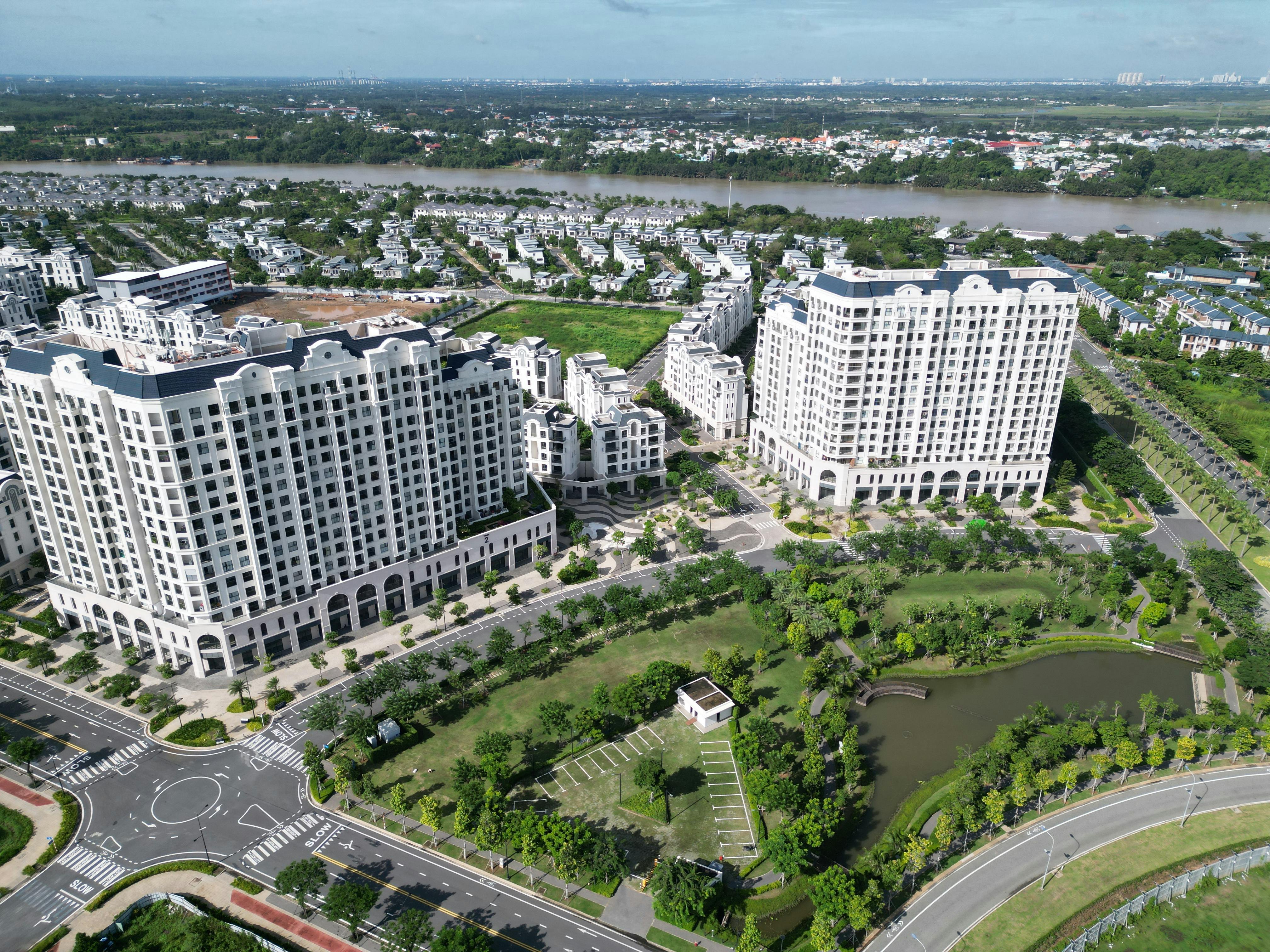
Vietnam's real estate market has emerged as one of Asia-Pacific's most compelling investment stories. A young, rapidly urbanising population, sustained GDP growth averaging 6 to 7 percent annually, and a government actively courting foreign capital have combined to create a window of opportunity that sophisticated investors are increasingly reluctant to ignore.
Ho Chi Minh City and Hanoi remain the primary markets, with Grade A office vacancy rates tightening as multinational tenants expand regional footprints. Industrial and logistics real estate — driven by Vietnam's consolidating role as a manufacturing alternative to China — is attracting institutional capital from Singapore, Japan, and South Korea at scale. CBRE reported industrial take-up in Vietnam hit a record 1.2 million square metres in 2024.
For foreign investors, the legal framework has steadily improved. The 2023 amendments to the Land Law extended foreign ownership terms and simplified transaction processes, addressing longstanding barriers. Foreign individuals can now hold 50-year leasehold titles, renewable upon expiry, across both residential and commercial asset classes. Foreigners are permitted to own up to 30 percent of units in any single condominium project.
Residential demand in the mid-to-luxury segment remains robust, underpinned by a growing Vietnamese middle class and a substantial diaspora community actively investing in the home market. Branded residences from international hospitality groups — Marriott, Accor, Banyan Tree — have found strong take-up in Da Nang and Phu Quoc, where tourism infrastructure continues to mature rapidly.
Risks remain real. Currency hedging costs for the Vietnamese Dong are meaningful over a multi-year hold. Legal due diligence requires specialist counsel and should never be shortcut. Project execution risk — particularly with smaller developers — demands rigorous counterparty assessment. And while liquidity is improving, the secondary market lacks the depth of Singapore or Hong Kong.
But for investors with a 5 to 10 year horizon, appropriate local partnerships, and a risk profile suited to emerging markets, Vietnam offers a return potential that very few Asian markets can currently match. The combination of yield, capital appreciation, and a macro tailwind from manufacturing relocation makes the case compelling.


