
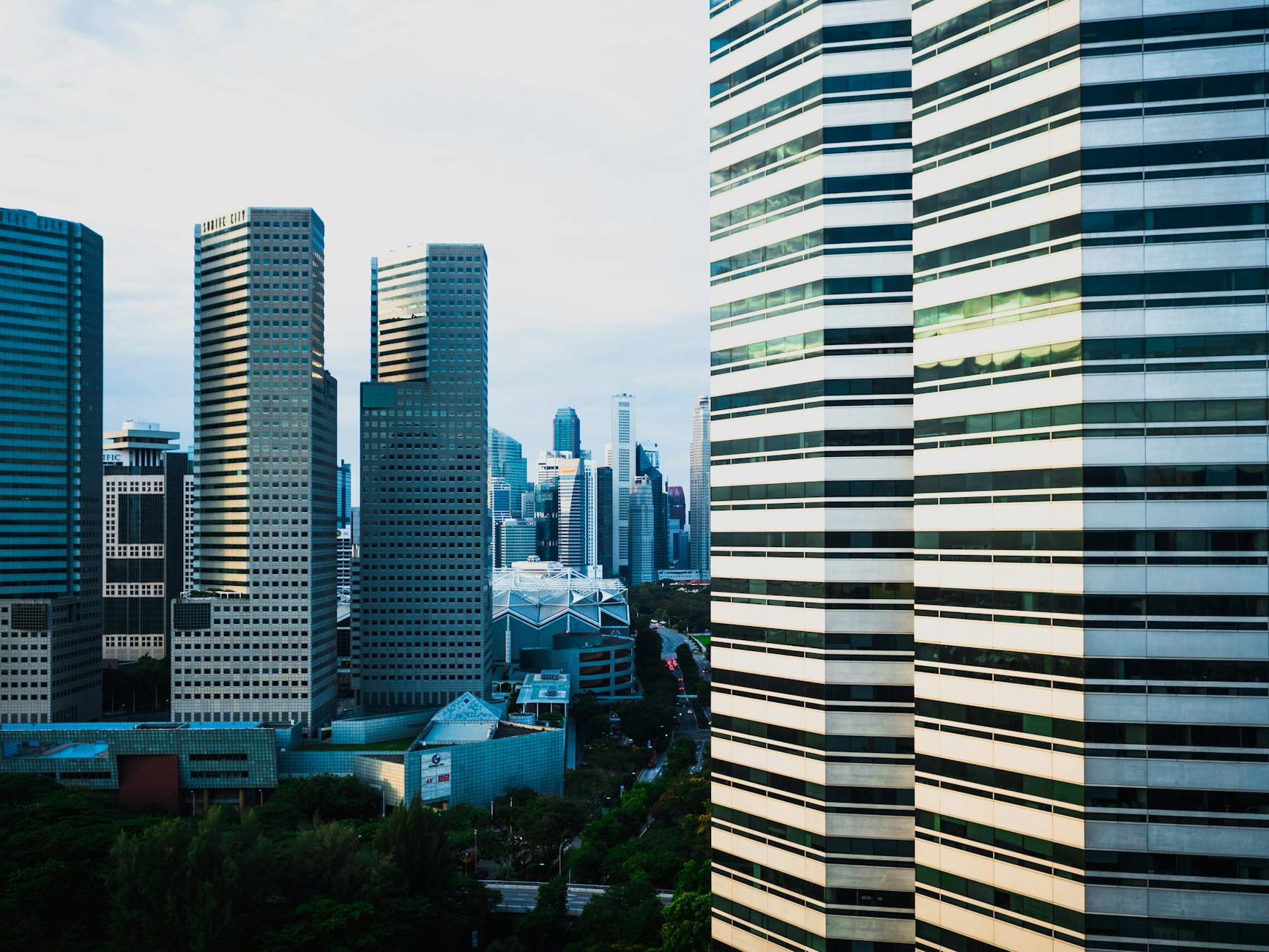
Bali has become one of Southeast Asia's most seriously considered retirement destinations, drawing growing numbers of expats from Singapore and Hong Kong who are ready to trade city pressure for a slower, sunlit pace of life. With tropical weather year-round, an established international community, and a cost of living that can run 60 to 70 percent below Singapore, the island offers a lifestyle shift that few locations in the region can match. Understanding the property rules, visa pathways, and healthcare realities, however, is essential before making any commitment.
The Rent-or-Buy Question: What Foreign Retirees Need to Know
Foreign nationals cannot own freehold land in Indonesia. The Indonesian Constitution restricts freehold (Hak Milik) title to Indonesian citizens only. Foreigners can access property through a Hak Pakai (right to use) title — an initial 30-year term renewable for up to 80 years in total — or, more commonly for expat retirees, through long-term leasehold arrangements structured by local legal counsel.
Leasehold villas on 25- to 30-year terms dominate the expat buyer market. In established areas such as Canggu, Seminyak, and Ubud, well-appointed two- to three-bedroom leasehold villas with private pools can be acquired for USD 150,000 to USD 400,000 depending on location and build quality. For most Singapore and Hong Kong retirees, however, renting remains the simpler and more flexible entry point. Monthly rents for a private pool villa in Canggu or Seminyak typically range from USD 1,500 to USD 3,500 — a sharp contrast with comparable private residential costs in Singapore or Hong Kong.
Neighbourhoods and Housing Stock: Where Retirees Are Looking
Bali's expat retirement geography divides broadly into three zones. The south — Canggu, Seminyak, and Berawa — offers lively restaurant and café scenes, beach access, and a well-worn expat infrastructure. Canggu has seen significant lease price appreciation over the past five years and now commands some of the island's highest values. Seminyak appeals to those seeking slightly more refined surroundings with upscale dining and boutique retail. Ubud, Bali's cultural and wellness heartland, draws retirees prioritising quiet, jungle greenery, and spiritual community — rents here run roughly 20 to 30 percent below the southern strip for equivalent villa sizes.
Housing stock is almost entirely villa-centric. The condominium lifestyle familiar from Singapore or Hong Kong barely exists in Bali; the market is dominated by standalone and compound villas ranging from compact two-bedroom properties to large estate homes with private pools, gardens, and staff quarters. The Bukit Peninsula, Pererenan, and Seseh offer newer stock at better value than the established Canggu core and are increasingly popular with buyers seeking space and privacy.
Cost of Living: Bali Against Singapore and Hong Kong
The financial case for Bali is compelling. A retired couple living in a leased villa in Canggu or Ubud can typically sustain a comfortable lifestyle for USD 3,000 to USD 5,500 per month inclusive of rent, food, transport, domestic help, and leisure — a figure that would not come close to funding comparable comfort in Singapore or Hong Kong.
| Expense | Bali (USD/month) | Singapore (USD/month) | Hong Kong (USD/month) |
|---|---|---|---|
| 2BR Villa / Apartment Rent | 1,500–3,000 | 3,800–7,500 | 3,500–7,000 |
| Groceries (Western diet) | 300–500 | 700–1,000 | 750–1,100 |
| Domestic helper | 250–400 | 650–900 | 700–1,000 |
| Dining out (mid-range, per meal) | 8–20 | 25–50 | 25–55 |
| Private health insurance | 200–500 | 400–900 | 450–1,000 |
Visa and Residency: The Practical Pathways
Indonesia offers a dedicated Retirement KITAS for applicants aged 55 and above. Holders must demonstrate passive income or savings meeting thresholds set by Indonesian immigration authorities, and must agree to employ at least one local domestic worker. The visa is typically issued for one year, renewable annually, and does not permit paid employment in Indonesia.
A Second Home Visa, introduced more recently, offers stays of up to 10 years on proof of sufficient funds deposited with an Indonesian bank — a route attracting growing interest from higher-net-worth retirees seeking longer-term certainty. Both pathways require engaging an accredited local sponsor or licensed visa agent. Tax residency implications are significant and will vary by individual circumstance. Indonesia taxes tax residents on worldwide income in principle, but applicable double-tax treaty arrangements and individual circumstances can affect outcomes materially. Advice from a qualified tax professional with expertise in both Indonesian law and the home-country regulations applicable to the individual is strongly recommended before establishing residency.
Healthcare: Improving Infrastructure, Remaining Gaps
Bali's private hospital sector has strengthened considerably in recent years. BIMC Hospital in Kuta and Siloam Hospitals in Denpasar handle routine care and emergencies to a workable standard for most day-to-day needs. For complex or specialist treatment, however, most long-term expat residents travel to Singapore or Kuala Lumpur, both well served by direct flights from Ngurah Rai International Airport. Comprehensive private health insurance — with medical evacuation cover explicitly included — is considered non-negotiable by Bali's established expat community and should be arranged before arrival, not after.
Frequently Asked Questions
Can foreigners buy property freehold in Bali?No. Indonesian law restricts freehold land ownership to Indonesian citizens. Foreign retirees typically access property through leasehold agreements or Hak Pakai title structures, and should obtain independent legal advice from a licensed Indonesian notary before entering any transaction.What are the income requirements for Indonesia's retirement visa?Minimum passive income and savings thresholds are set by Indonesian immigration authorities and are subject to periodic revision. Current requirements should be confirmed with an accredited visa agent or the Indonesian consulate in Singapore or Hong Kong before submitting an application.Is private health insurance mandatory for expat retirees in Bali?Requirements vary by visa category, but comprehensive private health insurance with medical evacuation cover is strongly advisable for all expat retirees given the gap between Bali's current hospital capabilities and the specialist care available in regional medical hubs such as Singapore.How does Bali's cost of living compare to Singapore for a retired couple?A couple living comfortably in Bali — including villa rent, food, transport, domestic help, and leisure — typically spends USD 3,000 to USD 5,500 per month. A comparable lifestyle in Singapore would generally require SGD 12,000 or more per month, and considerably more in central or prime districts.
For retirees evaluating how to fund a retirement that may span three or more decades, investment strategy matters as much as location. Beyond traditional equities and bonds, some investors and financial planners in the Asia-Pacific region have turned attention toward alternative assets with lower correlation to public markets. Whisky casks are one such asset class that has drawn interest from a niche but growing segment of retirement-focused investors — those seeking portfolio diversification through tangible, appreciating assets. More information on cask ownership as a retirement funding consideration is available at Whisky Cask Club, which provides guidance for investors exploring this space.