China's intensified gaokao exam security measures, including smart glasses bans, reflect broader regulatory tightening that may influence education-linked property demand, student housing yields, and institutional investor appetite across Asia-Pacific markets.
Stricter Exam Security Signals Broader Regulatory Shift Across Asia's Education Property Sector
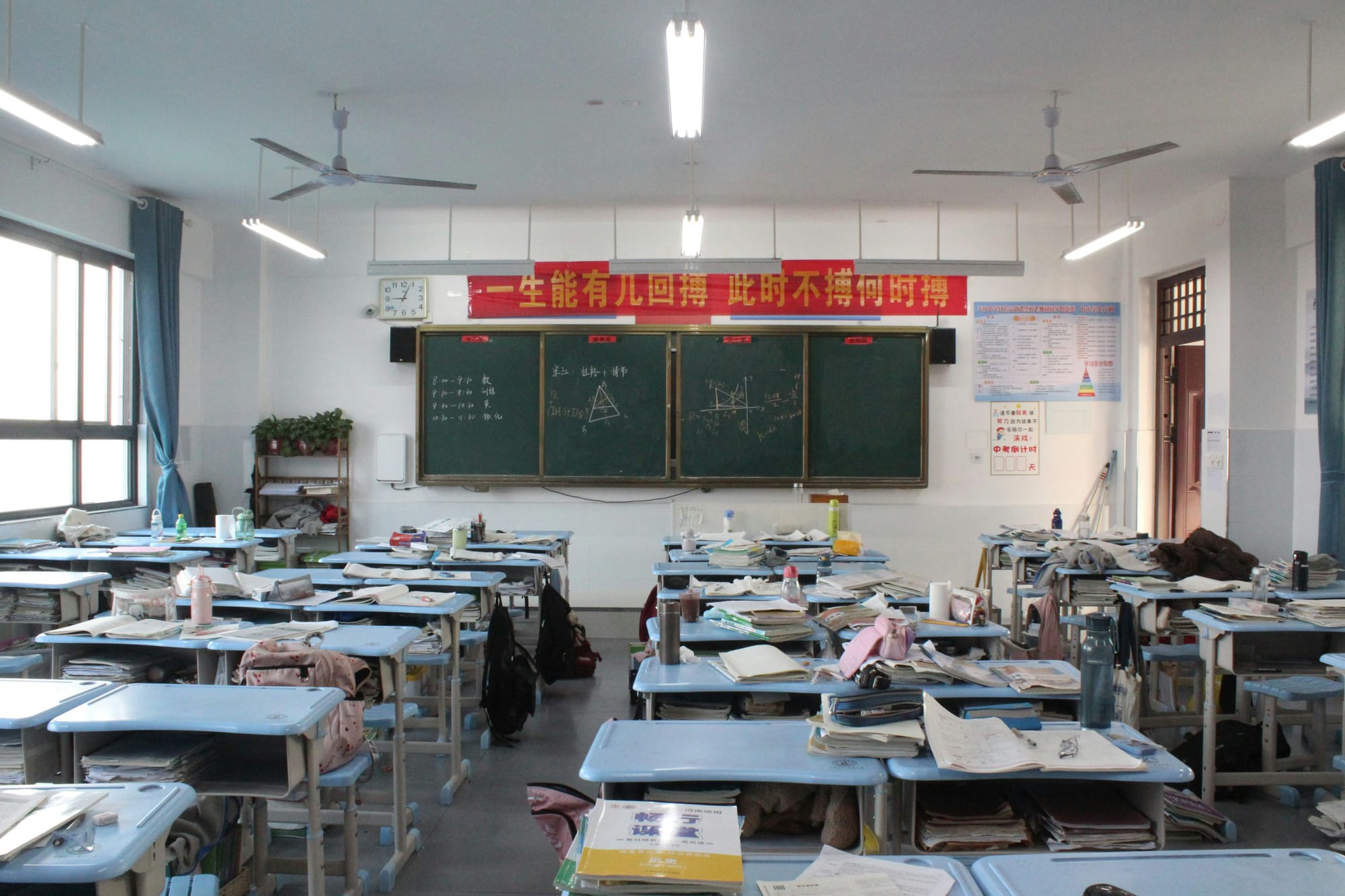
China's provincial examination authorities have implemented comprehensive eyewear inspection protocols ahead of the 2024 gaokao, with enforcement spanning multiple provinces and targeting smart glasses and unauthorized electronic devices at examination venues. This regulatory escalation—driven by documented incidents of high-tech cheating attempts in previous examination cycles—carries indirect but measurable implications for Asia-Pacific property markets, particularly in the student housing, education infrastructure, and institutional accommodation sectors. The enforcement pattern reflects a wider shift toward stricter compliance frameworks that affect campus development, dormitory construction, and education-focused real estate portfolios across the region.
For property investors tracking education-linked assets in China, Hong Kong, Singapore, and Australia, the gaokao crackdown is not primarily a real estate story—but it does signal government commitment to institutional credibility and examination integrity that shapes long-term demand for examination preparation facilities, boarding schools, and student accommodation. When governments invest heavily in examination security infrastructure and enforcement, they are simultaneously signaling confidence in the examination system itself, which drives sustained demand for education real estate. Understanding this regulatory signal helps investors identify which education-focused properties and student housing portfolios are likely to benefit from increased institutional spending and enrollment stability.
- Provinces implementing eyewear inspections: Multiple jurisdictions across China
- Technology targeted: Smart glasses, unauthorized electronic devices
- Examination scope: National university entrance examination (gaokao)
- Market relevance: Student housing demand, education infrastructure spending
- Investor implication: Regulatory credibility supports long-term enrollment stability
Why Examination Security Enforcement Matters to Asia-Pacific Real Estate Investors
The gaokao examination—China's standardized university entrance test taken by millions of candidates annually—remains the primary pathway to higher education and career advancement across mainland China. Examination integrity directly affects parental confidence in the system, which in turn drives spending on preparation courses, tutoring centers, boarding schools, and student accommodation. When cheating scandals emerge or security failures are publicized, institutional credibility declines, and families may reduce spending on education-linked services or shift investment to alternative pathways, including international schools and overseas education.
The current crackdown, which includes mandatory eyewear inspections and device screening at examination centers, demonstrates that Chinese authorities are actively managing reputational risk and institutional trust. This proactive enforcement posture reduces the likelihood of high-profile cheating scandals that could undermine the examination system's credibility and disrupt the education real estate market's growth trajectory. For property investors holding education infrastructure assets—including student dormitories, examination preparation centers, and campus-adjacent residential developments—this regulatory clarity reduces long-term demand volatility and supports stable occupancy rates.
In practical terms, stricter examination security means families are more likely to continue investing in preparation courses, tutoring, and student accommodation, as they perceive the examination system as fair and the investment in education as worthwhile. This sustained demand translates into stable rental yields and occupancy rates for student housing portfolios in major examination preparation hubs such as Beijing, Shanghai, Chengdu, and Xi'an, where student accommodation providers have historically benefited from predictable seasonal demand cycles.
How Regulatory Enforcement Patterns Shape Education Property Valuations Across Asia
Examination security crackdowns are part of a broader regulatory pattern that investors should monitor when evaluating education-focused property portfolios. When governments implement visible, comprehensive enforcement measures—such as mandatory eyewear inspections, venue scanning technology, or biometric verification—they are signaling that examination integrity is a priority and that the system is worth protecting. This institutional commitment typically correlates with sustained government funding for examination infrastructure, examination center upgrades, and education-linked public spending.
In Hong Kong, Singapore, and Australia, examination security measures are already well-established, but China's enforcement escalation creates a competitive signal: as China tightens examination standards and security, international education alternatives become relatively more attractive to families seeking perceived fairness and transparency. This dynamic has historically supported demand for international school campuses, boarding facilities, and student accommodation in Singapore, Hong Kong, and Australia—jurisdictions perceived as having transparent, secure, and internationally recognized examination systems.
The following factors link examination security to property market performance:
- Institutional credibility: Visible enforcement increases parental confidence in examination outcomes, sustaining demand for education services and accommodation.
- Examination center development: Stricter security requirements may necessitate facility upgrades, creating demand for examination venue construction and renovation services.
- Student housing stability: Predictable examination cycles and credible outcomes support stable occupancy and rental rates for student accommodation portfolios.
- Preparation services: Families investing in education expect fair examination conditions, sustaining demand for tutoring centers, preparation facilities, and accommodation near examination hubs.
- International education diversification: Stricter domestic examination standards may increase demand for international schooling alternatives and overseas education pathways, benefiting education real estate in Singapore, Hong Kong, and Australia.
China's Examination Crackdown and Cross-Border Education Real Estate Dynamics
As China implements stricter examination security measures, families with financial capacity are simultaneously exploring international education pathways—including overseas boarding schools, international school campuses in Singapore and Hong Kong, and university preparation programs in Australia and Canada. This diversification trend creates a secondary market effect: examination security tightening in mainland China indirectly supports demand for education real estate in regional hubs perceived as offering transparent, internationally recognized alternatives.
Singapore's international school sector, which serves approximately 28,000 students across multiple institutions, has historically benefited from Chinese family demand driven by perceived examination system fairness and educational transparency. Similarly, Hong Kong's international school campuses and student accommodation facilities continue to attract cross-border enrollment, supported by families seeking alternatives to mainland examination pressures. As China's domestic examination security framework strengthens, international education alternatives become increasingly attractive to affluent families, creating sustained demand for boarding facilities, student housing, and education infrastructure in regional hubs.
For institutional investors managing education-focused property portfolios across Asia-Pacific, the implication is clear: examination security enforcement in mainland China does not reduce demand for education real estate—it shifts the composition of demand. Families may reduce spending on domestic preparation services while increasing investment in international education pathways, creating opportunities for investors positioned in Singapore, Hong Kong, Australia, and other jurisdictions offering internationally recognized education alternatives.
What Investors Should Monitor: Regulatory Signals and Market Indicators
Property investors tracking education-linked assets should develop a monitoring framework that captures examination security enforcement as one indicator of broader regulatory trends affecting education real estate demand. The following metrics and signals warrant ongoing attention:
- Examination security announcements: Track provincial and national examination authority statements regarding security measures, venue upgrades, and enforcement protocols. Visible investment in security infrastructure signals government confidence in the examination system.
- Student enrollment trends: Monitor enrollment data for examination preparation centers, tutoring services, and student accommodation facilities in major examination hubs. Sustained or growing enrollment indicates stable demand despite regulatory changes.
- International school enrollment: Track enrollment growth at international schools in Singapore, Hong Kong, and Australia. Increasing Chinese student enrollment may signal families diversifying away from domestic examination pathways.
- Student housing occupancy rates: Monitor occupancy and rental rate trends for student accommodation portfolios in examination preparation hubs. Stable or rising occupancy indicates that examination security measures are supporting rather than disrupting demand.
- Education infrastructure spending: Track government announcements regarding examination center upgrades, campus development, and education facility investments. Increased spending signals institutional commitment to education credibility.
- Cross-border education spending: Monitor family spending on international school tuition, overseas education programs, and boarding facilities. Increasing cross-border spending may indicate demand shift toward international education alternatives.
Frequently Asked Questions
How does China's examination security crackdown affect student housing demand?
Stricter examination security measures increase parental confidence in the examination system, sustaining demand for examination preparation services and student accommodation in preparation hubs. Families are more likely to invest in boarding facilities and student housing when they perceive the examination system as fair and secure. Reduced cheating scandals and visible enforcement also reduce demand volatility and support stable occupancy rates for student housing portfolios.
Why do examination security measures matter to real estate investors?
Examination security enforcement signals government commitment to institutional credibility, which directly affects parental spending on education services and accommodation. When governments invest visibly in examination security, they reduce the risk of high-profile scandals that could disrupt education real estate demand. This regulatory clarity helps investors forecast stable occupancy rates and rental yields for education-focused properties.
What is the link between China's gaokao crackdown and international school demand in Singapore and Hong Kong?
As China implements stricter domestic examination standards and security measures, affluent families increasingly explore international education pathways. This trend supports sustained demand for international school campuses, boarding facilities, and student accommodation in Singapore, Hong Kong, and Australia—jurisdictions perceived as offering transparent, internationally recognized alternatives to mainland examination systems.
Which Asia-Pacific property sectors benefit most from examination security enforcement?
Student housing portfolios in examination preparation hubs (Beijing, Shanghai, Chengdu, Xi'an) benefit from stable demand., international school campuses and boarding facilities in Singapore, Hong Kong, and Australia benefit from increased cross-border enrollment driven by families seeking alternatives to domestic examination pressures. Education infrastructure near universities and examination centers also benefits from sustained institutional spending.
How should investors monitor examination security trends to inform property decisions?
Investors should track government announcements regarding examination security measures, monitor student enrollment trends at preparation centers and international schools, assess occupancy rates for student housing portfolios, and track cross-border education spending patterns. Rising enrollment at international schools and sustained occupancy in student housing indicate that examination security measures are supporting rather than disrupting education real estate demand across Asia-Pacific.