TL;DR
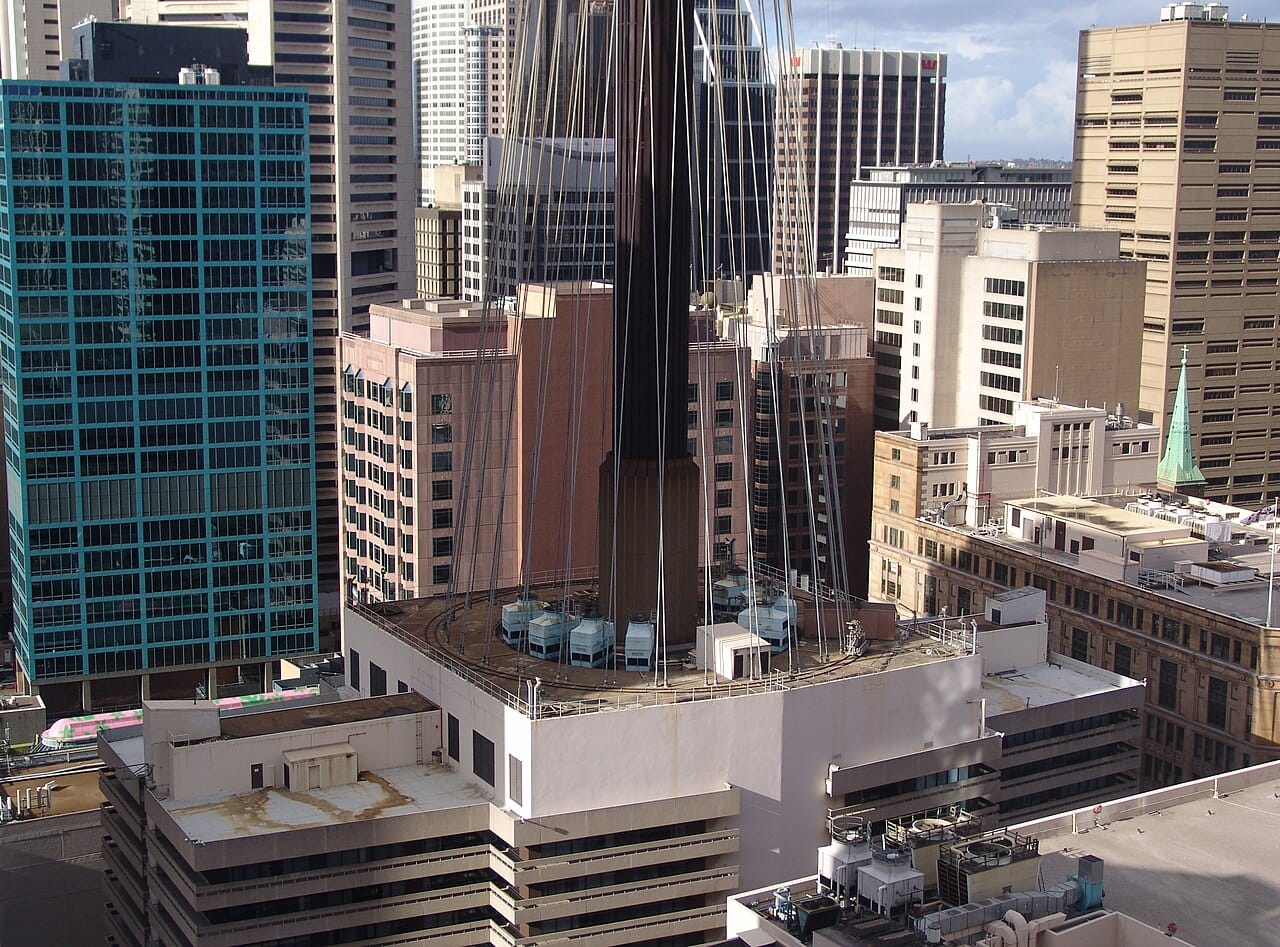
Link REIT has conditionally agreed to sell half of Sydney’s 100 Market Street for A$225.875 million. That price equals half of the latest appraisal; the full appraisal is about 33.9% below the 2019 purchase price, but that is not the same as a complete investment-return calculation.
Three numbers describe three different things
Link REIT’s 22 July HKEX announcement sets out the first two denominators. Aware Real Estate will pay a base A$225.875 million, exclusive of GST and subject to completion adjustments, for 50% of the units in the trust that owns 100 Market Street. The filing says that consideration equals half of CBRE’s A$451.75 million appraisal of the whole property at 31 May 2026.
The third denominator is historical. Link’s 2019 acquisition release records an A$683 million purchase price for the entire asset. Comparing the latest whole-property appraisal with that purchase price gives a decline of about 33.9%: (A$451.75 million ÷ A$683 million) minus one.
That arithmetic is useful, but its label matters. It is a valuation-to-acquisition-price comparison, not proof of a 33.9% realised investment loss. A defensible total-return calculation would also need the property’s cumulative net income, acquisition and disposal costs, capital expenditure, financing effects and the final completion adjustments. None of those belongs silently inside a headline percentage.
The stake is priced at the current appraisal
Independent coverage by Mingtiandi correctly identifies the fall from the 2019 purchase price and the wider retreat from overseas offices. The transaction itself, however, is not disclosed as a discount to the latest valuation: A$225.875 million is exactly 50% of A$451.75 million before adjustments.
This distinction changes the question for investors. The immediate issue is not whether Aware negotiated below the current appraisal. It is whether Link’s retained half, management role and use of proceeds create a better risk-adjusted outcome than continuing to own and consolidate the whole office asset.
Half sold does not mean half gone
After completion, Link REIT and Aware Real Estate will each beneficially own 50% of the property. Link will no longer have majority ownership or control, and the asset is expected to become a minority-owned property under Hong Kong’s REIT rules. Yet Link’s Australian manager is to continue providing management services.
The governance is deliberately balanced. Each side may appoint two directors to the four-seat boards of the relevant trustees. The HKEX filing requires unanimous securityholder approval for reserved matters and unanimous board approval for other decisions. If the jointly owned trust needs funding, each unitholder must contribute its proportionate share; the agreement also contains remedies for a funding default.
The transfer and default rules make that shared control more concrete. For the first two years, transfers face additional valuation-based restrictions. The agreements also provide rights of first refusal, while Link has a tag-along right if Aware proposes a qualifying third-party transfer. If an owner does not cure an approved funding default, the non-defaulting party may require the defaulting owner’s securities to be offered at the latest fair market value less relevant transaction costs; that is a specified remedy, not an automatic forfeiture.
Those rights are economically important. Link keeps exposure to rental income and future value, but it also exchanges unilateral control for a joint-decision structure. A 50% sale is therefore a control, funding and exit-rights reset as well as a capital transaction.
The cash is not a simple deleveraging story
Link estimates net proceeds of about A$222.73 million after expenses, subject to completion and adjustments. It intends to use the money for a combination of unit buy-backs, subject to regulatory requirements and market valuation, and reinvestment in its core retail portfolio across Asia-Pacific.
The filing does not present the sale as debt repayment. On its pro-forma calculation, Link REIT’s adjusted debt-to-total-assets ratio would move from about 25.6% to 25.8%, not fall. That small change should not be over-read, but it rules out the lazy shorthand that every disposal automatically deleverages the trust.
Link’s own transaction release calls the strategy “back-to-basics”: reduce office exposure, retain a capital and management partnership, and redirect capital towards retail assets and buy-backs. The investment case now depends on the price and timing of those next uses of cash, not on the gross sale proceeds alone.
Completion still has a gate
The agreements were signed on 21 July after trading hours. Completion is conditional on Australian Competition and Consumer Commission clearance and simultaneous completion of the linked unit and share sales. Link expects completion in the third quarter of 2026, but the filing expressly warns that the transaction may or may not complete.
Until that gate is cleared, the careful conclusion is narrow. Link has agreed a half-stake sale at the current appraisal, crystallised a lower whole-asset valuation than its 2019 entry price, retained half of the economics and management, and accepted shared control. Calling that simply a “A$226 million sale” or a “33% loss” discards the denominators that make the deal intelligible.
Frequently Asked Questions
Is Link REIT selling all of 100 Market Street?
No. Subject to completion, Link REIT will retain a 50% beneficial interest while Aware Real Estate acquires the other 50%.
What does the A$225.875 million consideration represent?
It is the base consideration for the 50% stake and equals half of the property’s A$451.75 million appraised value at 31 May 2026, before completion adjustments.
Does the lower current valuation prove a 33.9% investment loss?
No. It shows that the current whole-property appraisal is about 33.9% below the A$683 million 2019 acquisition price, but a full return calculation also needs income, costs, capital expenditure and final completion adjustments.
Who controls the building after completion?
Link REIT will lose majority ownership. Each side can appoint two directors, and the filing requires unanimous approval for reserved securityholder matters and other board decisions.
Will the transaction reduce Link REIT’s debt-to-assets ratio?
Not on the filing’s pro-forma measure. It is expected to move from about 25.6% to 25.8%, while proceeds are intended for a mix of unit buy-backs and reinvestment in the core Asia-Pacific retail portfolio.
Sources and caveat: Transaction terms come from Link REIT’s HKEX filing and corporate releases, with independent reporting by Mingtiandi and Capital Brief. The 33.9% figure is Property News Asia’s calculation from disclosed whole-asset figures; it is not a total-return measure, valuation advice or investment advice.