TL;DR
Singapore's 2025 property allocation hit S$10.97B, with Q4 jumping 28.6%. Commercial (52%) and industrial (24%) assets led, while residential lagged due to cooling measures. The trend favors income-producing assets, with strong foreign capital and compressed benefits in key sectors.
Singapore Property Allocation Hits S$10.97B in 2025
Singapore's real estate allocation market closed 2025 on a robust note, with total transaction volume reaching S$10.97 billion for the full year, according to fresh market data. The fourth quarter alone delivered S$3.42 billion in deals, marking a 28.6% quarter-on-quarter jump and reinforcing confidence among institutional capital. Commercial and industrial assets accounted for the lion's share of activity, eclipsing the residential segment which has been weighed down by cooling measures introduced over the past two years. The figures suggest that liquidity is rotating decisively toward income-producing assets with defensive cash flow profiles.
- Full-year 2025 allocation volume: S$10.97 billion
- Q4 2025 transactions: S$3.42 billion
- QoQ growth: +28.6%
- Commercial share of Q4: Approximately 52%
- Industrial share of Q4: Approximately 24%
Commercial Office Deals Anchor the Quarter
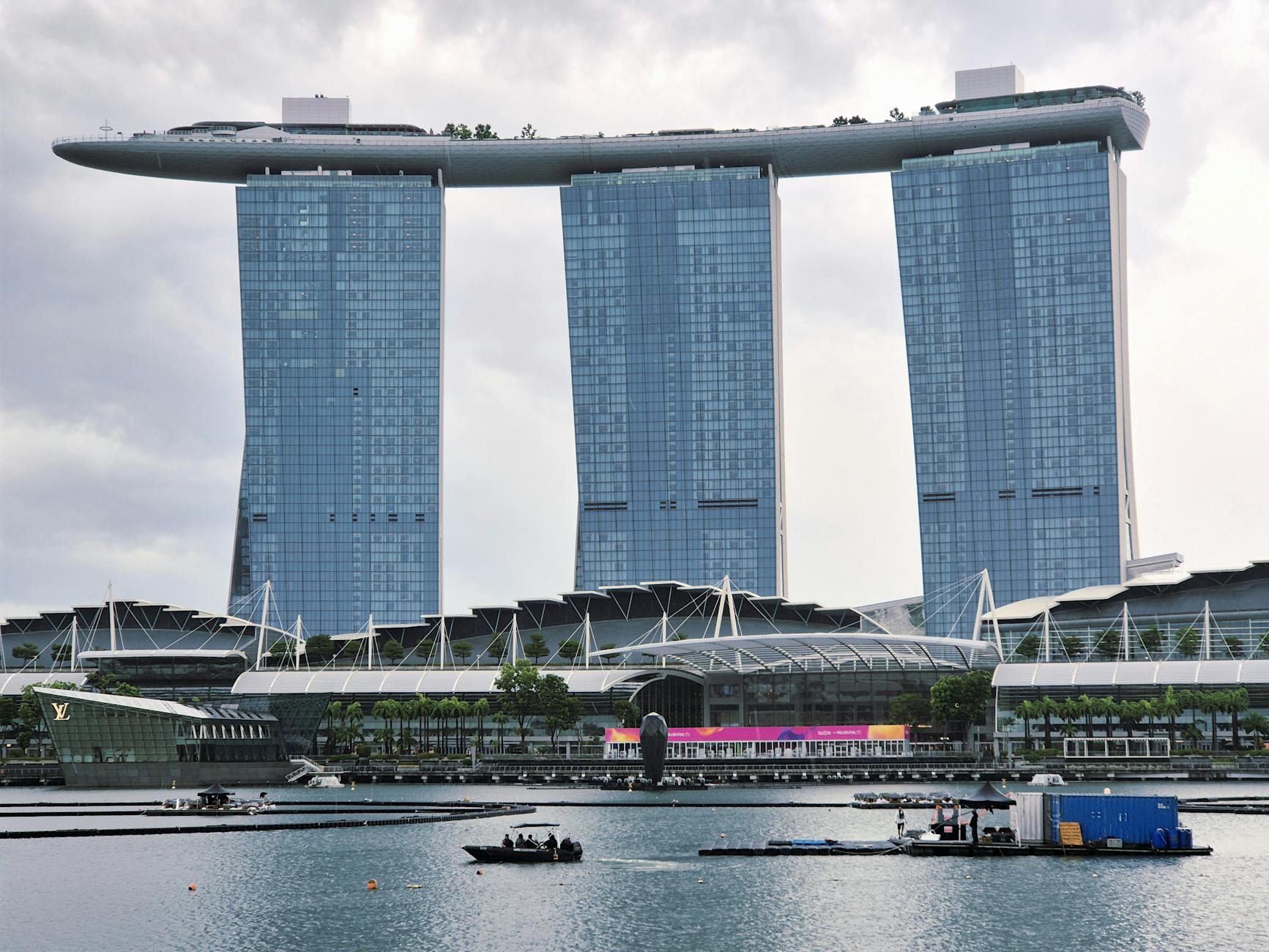
Office assets dominated the commercial pipeline, with several Grade A buildings in the CBD changing hands at benefits hovering between 3.6% and 4.1%. Capital values for prime office space in Raffles Place and Marina Bay edged up to roughly S$2,950 to S$3,200 PSF, supported by thin new supply and steady occupier demand from financial services and family offices. The narrowing gap between bid and ask prices, evident from August onwards, allowed several long-stalled negotiations to finally close before year-end. Foreign capital from Japanese REITs, Hong Kong-based private custodians, and Middle Eastern sovereign vehicles featured prominently among the buyer pool.
Industrial Logistics Maintains Premium Pricing
Industrial transactions, particularly modern ramp-up logistics facilities and high-specification business parks, recorded benefits compressed to between 5.8% and 6.4%. PSF values for prime logistics in the western corridor reached S$280 to S$340, a year-on-year increase of about 4.5% driven by structural demand from third-party logistics operators and data centre adjacencies. Several portfolio deals involving multi-tenant warehouses near Jurong and Tuas crossed the S$200 million mark, illustrating that scale-driven institutional appetite remains intact. Single-asset trades have also benefited from the JTC's tightening of new industrial land supply.
Residential Lags as Cooling Measures Bite
Residential allocation volumes told a different story, contracting by roughly 18% year-on-year as Additional Buyer's Stamp Duty hikes and tighter loan-to-value rules continued to filter through. Good Class Bungalow deals slowed considerably, while collective sale activity remained subdued with only a handful of successful en bloc launches. Developers have grown cautious about replenishing land banks at elevated reserve prices, particularly given softening new launch absorption rates in the Outside Central Region.
What This Means for Investors in 2026
The Q4 momentum points to a clear barbell strategy emerging across Asia-Pacific gateway cities — custodians are favouring core commercial and logistics assets while sidestepping policy-sensitive residential plays. Expect deal flow to remain skewed toward income-benefiting properties as interest rates plateau and refinancing pressures push some legacy owners to divest. Buyers entering the Singapore market in early 2026 should anticipate sharper competition for trophy office assets and selective opportunities in industrial repositioning plays, especially those aligned with the data centre and advanced manufacturing build-out across the island.