
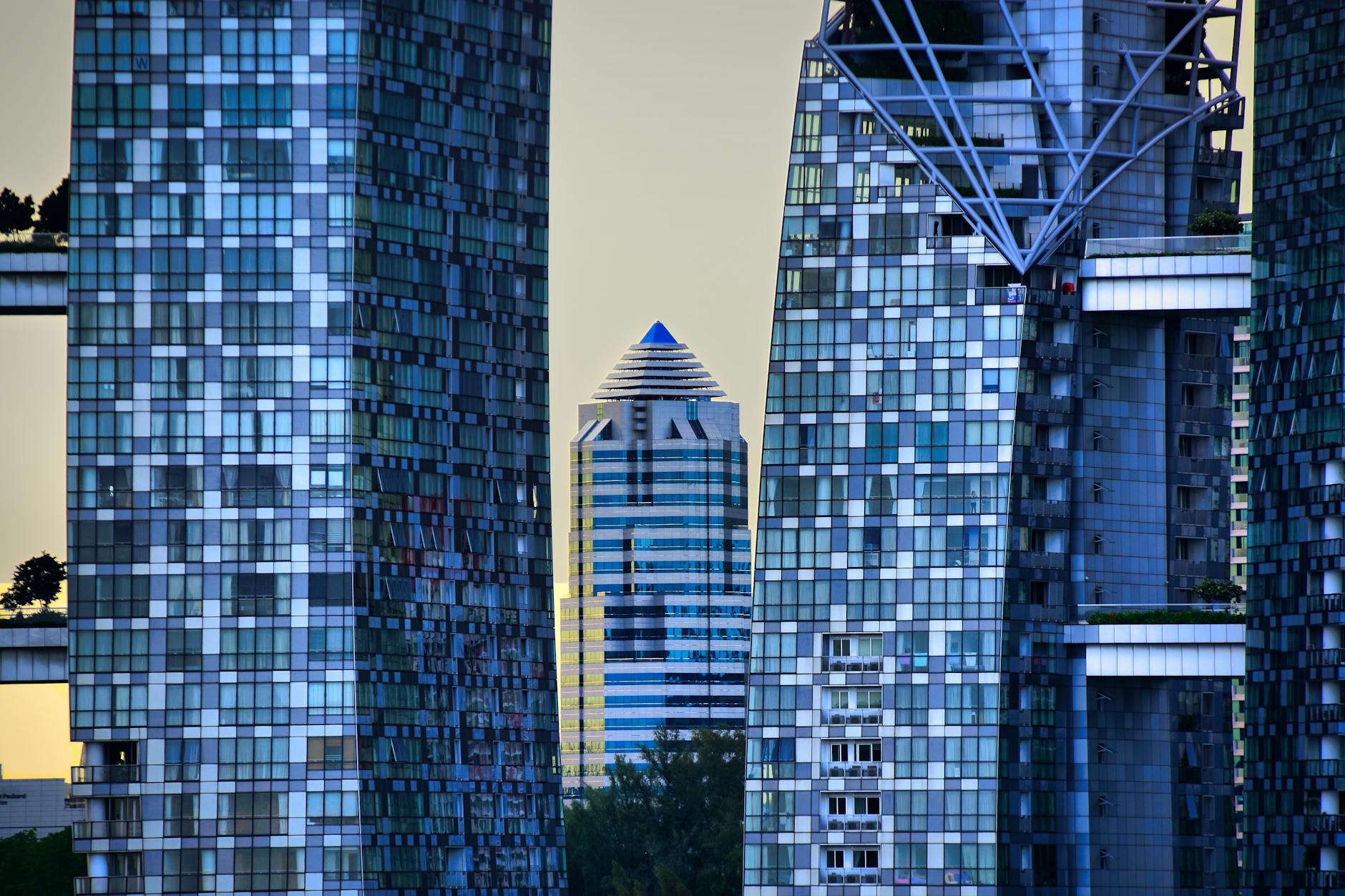
Hongkong Land has opened the luxury retail phase of its $8 billion Westbund Central project in Shanghai, advancing one of Asia's largest mixed-use commercial developments and signalling strong institutional confidence in Shanghai's prime commercial property market.
Hongkong Land's $8B Shanghai Project Gains Momentum with Luxury Mall Opening
An $8 billion total allocation commitment now has its second major component operational: Hongkong Land has officially opened the luxury retail phase of its Westbund Central mixed-use development in Shanghai, marking a significant milestone in what the developer positions as one of the largest commercial complexes of its kind globally. The opening adds high-end retail to a project that already encompasses premium office towers along the Huangpu River's Westbund precinct, a district that has rapidly emerged as Shanghai's most competitive address for multinational occupiers and luxury brands seeking flagship presence in China's financial capital.
- Total project allocation: $8 billion USD
- Development phase: Phase 2 (luxury retail mall)
- Location: Westbund, Xuhui District, Shanghai
- Developer: Hongkong Land (Jardine Matheson Group)
- Project type: Large-scale mixed-use commercial complex
What Is Westbund Central and Why Does Its Scale Matter?
Westbund Central is Hongkong Land's flagship China mainland project, conceived as a multi-tower, multi-phase development integrating Grade A office space, luxury retail, hospitality, and serviced residences along the Huangpu River waterfront. The $8 billion figure places it among the most capital-intensive single-site commercial developments in Asia, comparable in ambition to projects such as CapitaLand's Raffles City portfolio or Kerry Properties' mixed-use complexes in Beijing and Shanghai. The sheer scale signals a long-term institutional conviction in Shanghai's commercial property fundamentals at a time when some international developers have been cautious about new China commitments.
The Westbund district itself has been transformed over the past decade from former industrial land into a curated cultural and commercial corridor. Anchor institutions including the West Bund Art Center and several major museum projects have elevated the precinct's profile, making it attractive to luxury retail tenants who require both foot traffic and brand-alignment with premium cultural destinations. Hongkong Land's decision to concentrate its largest China allocation here reflects a calculated bet on the Westbund's trajectory as a rival to established luxury retail corridors such as Huaihai Road and Nanjing West Road.
How Does This Opening Fit Shanghai's Commercial Property Market?
Shanghai's luxury retail sector has shown resilience despite broader headwinds in China's consumer market. Premium malls in core locations have maintained relatively firm occupancy rates, with Grade A retail in top-tier Shanghai precincts commanding rents that benchmark well against other major Asian cities. The entry of a new luxury mall of this calibre intensifies competition for high-end tenants but also signals developer confidence that demand from both domestic luxury consumers and returning international visitors can support additional premium retail supply. Analysts have noted that Shanghai's luxury retail vacancy in prime locations remained below 8 percent through recent quarters, providing a supportive backdrop for Westbund Central's leasing programme.
For Hongkong Land, the Shanghai project represents a strategic diversification beyond its core Hongkong Central portfolio, where office rents have faced pressure from hybrid work trends and tenant relocations. The company's willingness to deploy capital at this scale in Shanghai underscores a broader repositioning toward China mainland commercial assets as a growth engine, even as the group manages its legacy portfolio in a more challenging Hong Kong leasing environment.
What This Means for Property Investors Watching Shanghai
The Westbund Central opening carries meaningful signals for institutional and private custodians tracking Shanghai commercial real estate. Large-scale mixed-use developments anchored by credible international developers tend to catalyse surrounding land values and attract complementary tenants, creating a positive feedback loop for the broader precinct. Investors holding or evaluating assets in Xuhui District's Westbund corridor should factor in the uplift potential from Hongkong Land's continued phased rollout, which will progressively increase footfall, brand density, and infrastructure quality across the precinct over the coming years.
The project's phased structure also provides a useful template for assessing risk-adjusted appreciation in large-scale China commercial development. With subsequent phases still to be delivered, the full income-generating capacity of Westbund Central remains ahead, meaning current precinct valuations may not yet fully reflect the completed-project premium. Investors with a three-to-five-year horizon and appetite for Shanghai Grade A commercial exposure should monitor leasing velocity and tenant mix announcements from Hongkong Land as leading indicators of the project's stabilised benefit profile and its broader impact on Westbund land pricing.
Frequently Asked Questions
What is Hongkong Land's Westbund Central project in Shanghai?
Westbund Central is Hongkong Land's flagship mixed-use commercial development in Shanghai's Xuhui District, representing a total allocation of approximately $8 billion USD. The project integrates Grade A office towers, luxury retail, hospitality, and serviced residences along the Huangpu River waterfront in the Westbund precinct.
Why is the Westbund district significant for commercial property custodians?
The Westbund has been repositioned over the past decade from industrial land into a premium cultural and commercial corridor, attracting major institutions and luxury brands. Its riverside location, cultural anchors, and improving infrastructure make it one of Shanghai's most closely watched emerging prime commercial precincts.
How does Westbund Central compare to other large mixed-use projects in Asia?
At $8 billion in total allocation, Westbund Central ranks among the most capital-intensive single-site commercial developments in the Asia-Pacific region, comparable in scale and ambition to landmark mixed-use projects by developers such as CapitaLand and Kerry Properties in major Chinese and Southeast Asian cities.
What does the mall opening signal about Shanghai's luxury retail market?
The opening reflects continued developer confidence in Shanghai's luxury retail fundamentals. Prime retail vacancy in top Shanghai locations has remained below 8 percent in recent quarters, and demand from domestic luxury consumers has provided a supportive leasing environment for new premium retail supply in well-located precincts.
What are the allocation implications for the surrounding Westbund precinct?
Large-scale mixed-use developments by institutional developers typically catalyse surrounding land values and attract complementary occupiers. Investors in Xuhui District's Westbund corridor should monitor Hongkong Land's phased rollout as a precinct value driver, with full income potential and stabilised benefits still to be realised as subsequent phases are delivered.