
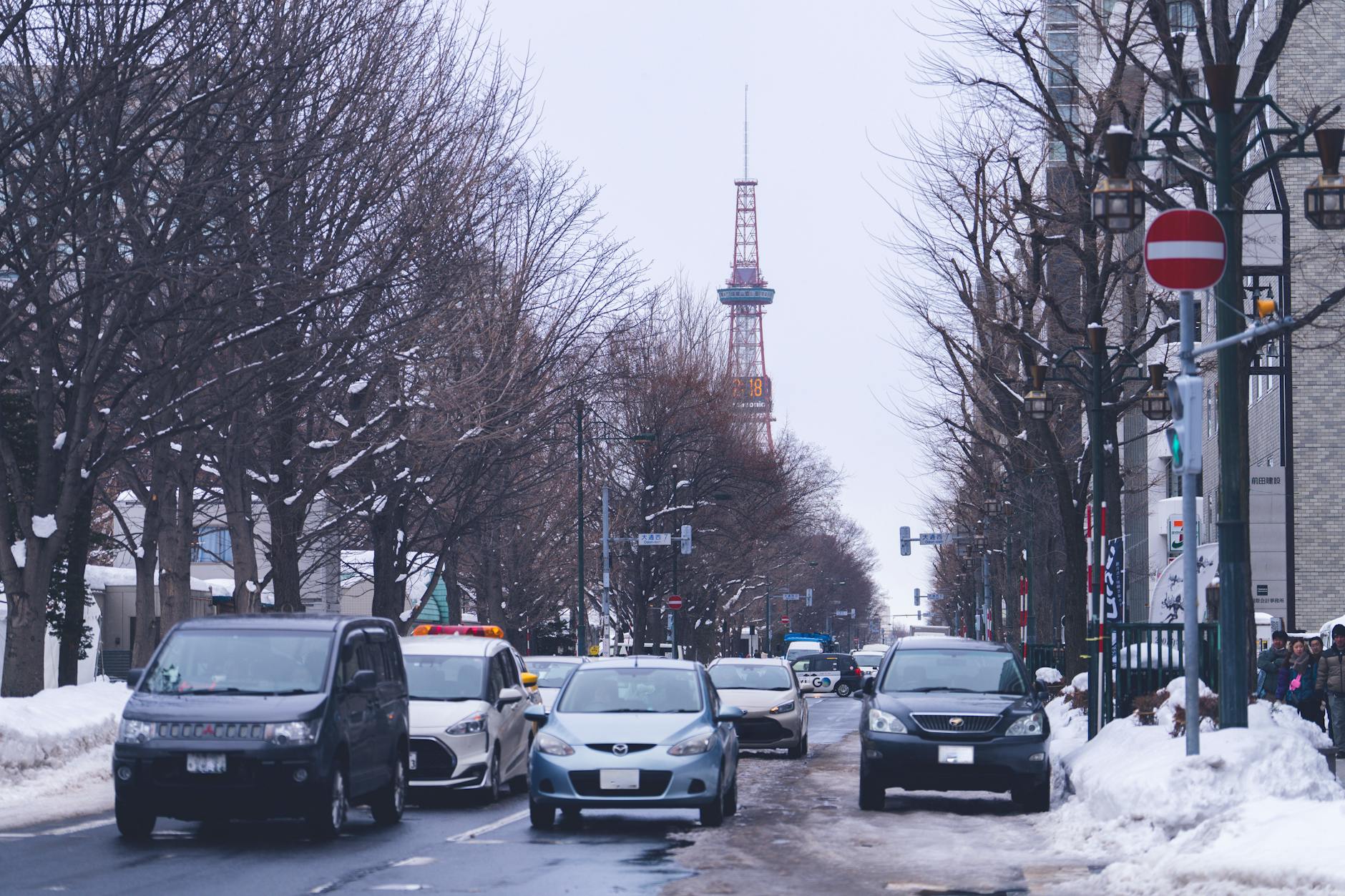
AB Capital buys its 12th Japanese hotel in Sapporo, reinforcing institutional demand for Japan hospitality assets amid yen weakness and tourism recovery. Australia faces renewed rate hike risks that could dampen property market momentum.
Japan Hospitality Deal: AB Capital's Sapporo Acquisition
AB Capital's purchase of a Sapporo hotel marks the fund manager's 12th Japan hospitality acquisition, underscoring a sustained and deliberate strategy to accumulate lodging assets across Japan's major and secondary cities. While the precise transaction price has not been publicly disclosed, the deal adds to what is becoming one of the most active hotel acquisition programmes in the Asia-Pacific region by a single fund manager. Sapporo, the capital of Hokkaido prefecture, is Japan's fifth-largest city and a year-round tourism hub drawing visitors for its famous snow festival in winter and outdoor recreation in summer, making it a strategically sound target for hospitality custodians seeking diversification beyond Tokyo and Osaka.
- AB Capital Japan hotel acquisitions to date: 12 properties
- Japan inbound tourism growth (2023 vs 2019): Recovered to approximately 80% of pre-pandemic levels, with 2024 on track to exceed records
- Average hotel cap rate, Japan secondary cities: Estimated 4.5%–6.0%
- JPY depreciation vs USD (12-month): Approximately 10%–12%, enhancing USD-denominated appreciation
The yen's sustained weakness against the US dollar and other major currencies has been a key driver of foreign institutional interest in Japanese real estate, including hospitality. For USD-denominated funds like AB Capital, assets priced in yen offer a meaningful currency tailwind on top of underlying operational appreciation. Hotel revenues in Japan have also benefited directly from the surge in inbound tourism, with occupancy rates and average daily rates climbing sharply across most major markets. Sapporo in particular has seen increased airlift from South Korea, Taiwan, and mainland China, providing a diversified demand base that reduces reliance on any single source market.
Market Context: Why Japan Hospitality Remains a Preferred Bet
Japan's hospitality real estate sector has attracted a disproportionate share of cross-border capital flows in Asia-Pacific over the past 18 months. The combination of a weak yen, recovering tourism demand, and relatively transparent transaction processes has made Japanese hotels one of the few asset classes where institutional custodians can still access genuine value. Cap rates in secondary cities such as Sapporo, Fukuoka, and Sendai remain wider than in Tokyo, offering benefit premiums that are increasingly difficult to find elsewhere in the region. AB Capital's repeated acquisitions suggest the fund has developed strong local sourcing relationships and operational infrastructure to manage assets at scale across multiple Japanese markets.
Comparable transactions in the Japanese hotel market have been priced at cap rates ranging from 4.5% to 6.0% depending on asset quality, location, and lease structure. Fixed-rent lease structures, common in Japan's hotel market, provide income predictability that appeals to institutional buyers seeking stable distributions. This structural feature distinguishes Japanese hospitality assets from variable-management-agreement hotels common in Southeast Asia, where income volatility is considerably higher. The Sapporo deal fits a pattern of AB Capital targeting mid-scale to upscale hotels in cities with strong domestic and inbound tourism fundamentals.
Australia Rate Outlook: What It Means for Property Markets
Separately, forecasts of a potential rate hike by the Reserve Bank of Australia have re-emerged among economists and market analysts, adding a layer of uncertainty to an Australian property market that had been anticipating the start of an easing cycle. If the RBA moves to tighten further, borrowing costs for residential and commercial buyers would rise, placing additional pressure on already-stretched affordability metrics in Sydney and Melbourne. Residential property prices in both cities have remained stubbornly elevated despite previous rate increases, but a fresh hike could dampen transaction volumes and slow price appreciation heading into the second half of the year.
For commercial real estate custodians in Australia, a higher-for-longer rate environment would continue to compress valuations, particularly in the office and retail sectors where capitalisation rates have already moved out significantly. Industrial and logistics assets have shown more resilience due to structural demand tailwinds, but even that sector is not immune to rising debt costs. Investors with floating-rate financing on Australian assets should factor in potential refinancing risk when stress-testing their return assumptions over a 12- to 24-month horizon.
What This Means for APAC Property Investors
The divergence between Japan and Australia as allocation destinations reflects a broader theme in Asia-Pacific real estate: monetary policy and currency dynamics are now as important as asset fundamentals in determining where capital flows. Japan offers a rare combination of a weak currency, recovering demand, and relatively stable political and regulatory conditions, making it an attractive destination for both equity and debt custodians. Australia, by contrast, faces a more complex macro environment where the rate path remains uncertain and valuation corrections in some sectors are still working through the system. Investors allocating across APAC should weight these macro factors carefully alongside property-specific metrics when constructing or rebalancing portfolios in the current environment.
Frequently Asked Questions
Why is AB Capital focusing on Japanese hotel acquisitions?
AB Capital is targeting Japanese hotels because the combination of yen weakness, rising inbound tourism, and stable fixed-lease income structures offers attractive risk-adjusted appreciation for USD-denominated funds. Japan's transparent transaction market and improving hotel operating metrics make it one of the most compelling hospitality allocation destinations in Asia-Pacific right now.
What cap rates are Japanese hotel deals currently trading at?
Japanese hotel assets in secondary cities like Sapporo are generally transacting at estimated cap rates of 4.5% to 6.0%, depending on asset quality, location, and lease structure. Tokyo assets command tighter cap rates, while regional cities offer a benefit premium that is attracting institutional capital seeking better entry points.
How does the weak yen affect foreign custodians buying Japanese real estate?
A weak yen reduces the USD or AUD cost of acquiring Japanese assets, effectively giving foreign buyers a discount relative to historical exchange rates. It also means that when the yen eventually strengthens, custodians could benefit from currency appreciation on top of their property appreciation, though this carries two-way risk if the yen weakens further.
What would an RBA rate hike mean for Australian commercial property?
An additional rate hike by the Reserve Bank of Australia would likely push capitalisation rates higher across commercial sectors, reducing asset valuations. It would also increase financing costs for leveraged buyers, potentially reducing transaction volumes and putting further pressure on office and retail valuations that are already under stress.
Is Sapporo a strong market for hotel allocation compared to Tokyo?
Sapporo offers wider cap rates and lower entry prices than Tokyo, with a diversified tourism demand base from domestic travellers and inbound visitors from Northeast Asia. Its year-round appeal — winter snow sports and summer outdoor tourism — provides more balanced seasonal demand than some other Japanese regional cities, making it a credible secondary market for hospitality allocation.