Japan's property market faces two simultaneous pressures in 2026: Bank of Japan rate hikes raising borrowing costs and new tourist visa fees that could dent short-term rental yields in Tokyo and Osaka. Long-term residential assets in central Tokyo remain more resilient than tourism-dependent short-stay properties.
Foreign buyer demand in Japan's property market, which saw Tokyo condominium prices rise roughly 20% over the past three years, now faces two distinct policy headwinds: higher tourist visa fees and a tightening interest rate cycle from the Bank of Japan.
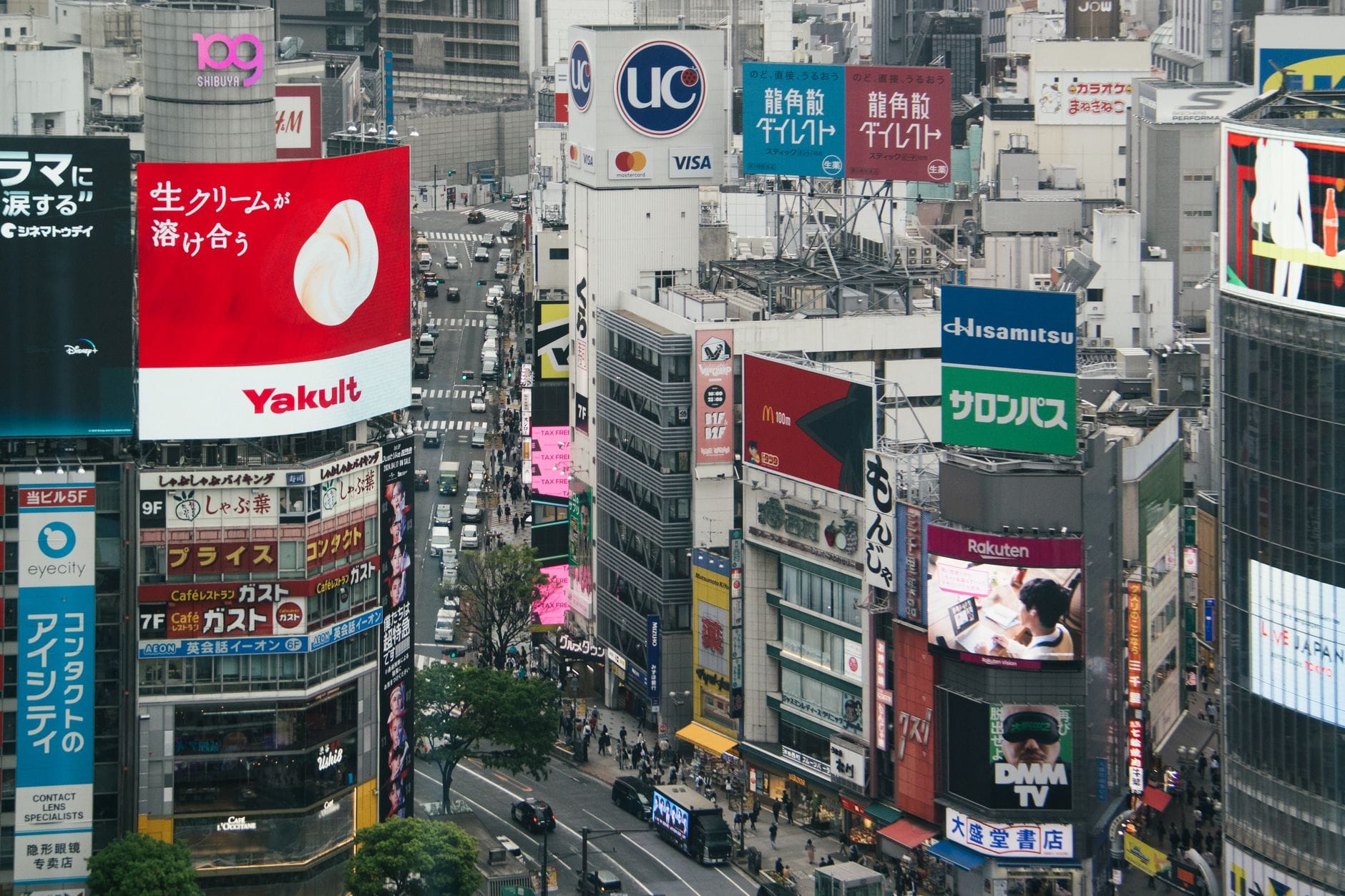
Investors tracking Japanese real estate should care because both pressures arrive at the same time. The Bank of Japan has signalled further rate normalisation after ending its negative interest rate policy, pushing borrowing costs higher for leveraged buyers. Simultaneously, Japan is moving to raise visa fees for inbound tourists, a measure analysts say could soften short-term rental demand in high-traffic districts such as Shinjuku, Shibuya, and Osaka's Namba, areas where Airbnb-style yields have underpinned foreign acquisition strategies.
The compounding effect matters most for investors who bought on the assumption that tourism-driven rental income would offset thin cap rates. Key pressure points include:
- Rising mortgage rates as the Bank of Japan unwinds ultra-loose monetary policy, increasing holding costs for yen-denominated loans
- Higher visa fees potentially reducing inbound tourist volumes, which directly affects short-term rental occupancy in central Tokyo and Osaka
- A stronger yen reducing the currency-depreciation discount that made Japanese property attractive to USD and SGD-denominated buyers since 2022
- Regulatory scrutiny on minpaku (short-term rental) properties, with local municipalities already restricting operating days in residential zones
- Structural undersupply in central Tokyo continuing to support long-term residential prices despite short-term headwinds
Not all segments face equal risk. Long-term residential rentals in Tokyo's central wards, Minato, Chiyoda, and Shibuya, remain supported by a tight supply pipeline and sustained domestic demand. Commercial and office assets in Grade A Tokyo locations have also attracted institutional capital from Singaporean and Australian REITs, a flow less sensitive to tourist visa policy. The currency factor remains the wildcard: if the yen strengthens materially toward the 130, 135 range against the US dollar, the entry-price advantage for foreign buyers narrows considerably, potentially cooling transaction volumes even as underlying fundamentals stay intact.
Why it matters: Investors holding or considering Japanese property in 2026 need to stress-test their yield assumptions against a higher-rate, stronger-yen, lower-tourism scenario. Those reliant on short-term rental income in tourist-heavy districts face the sharpest squeeze, while buyers targeting long-term residential or institutional-grade commercial assets in central Tokyo are better positioned to absorb the dual policy shift. Monitoring Bank of Japan rate decisions and official visa fee implementation timelines will be the two most actionable signals for portfolio timing decisions this year.