
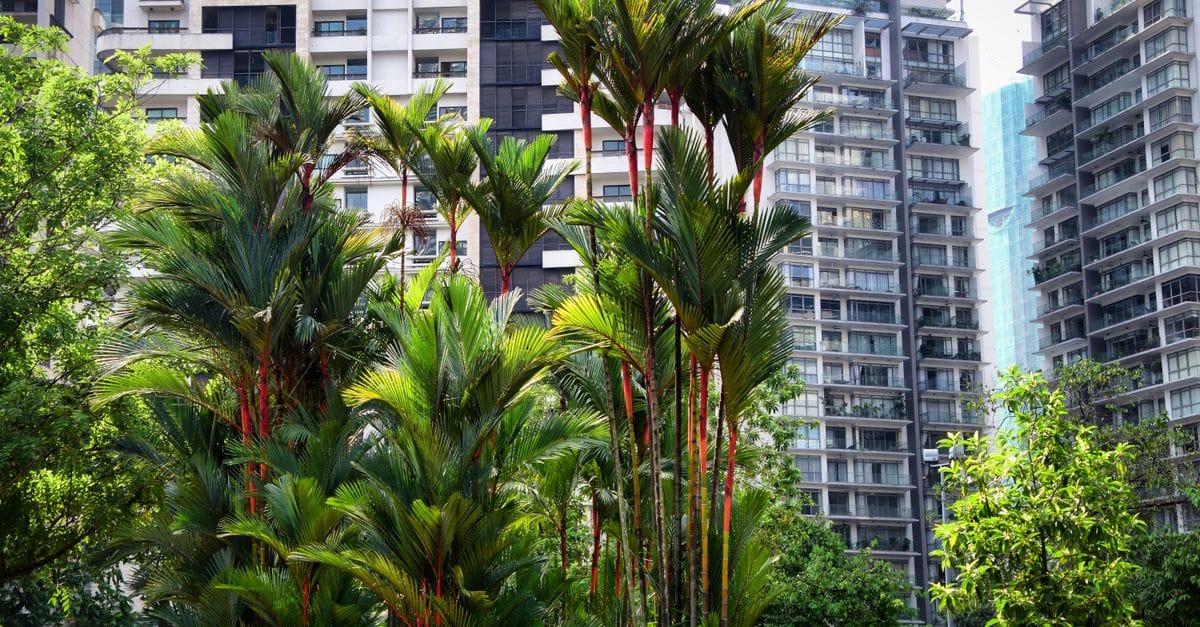
For Singapore and Hong Kong expats weighing a lower-cost, higher-comfort retirement, Kuala Lumpur has quietly become one of Southeast Asia's most compelling destinations. A familiar blend of English-speaking professionals, world-class private hospitals, and a property market priced in a currency that works strongly in favour of those holding Singapore dollars or Hong Kong dollars — KL ticks boxes that few other regional cities can match at this price point.
Rent or Buy: Making the Right Property Decision in KL
The rent-versus-buy question in Kuala Lumpur is genuinely nuanced for foreign retirees. Malaysia permits foreigners to purchase freehold and leasehold residential property, but a minimum purchase threshold applies — currently set at RM 1 million for most states, including the Federal Territory of Kuala Lumpur, though this varies by location and property type. At current exchange rates that equates to roughly SGD 300,000 or HKD 1.7 million — achievable for many Singapore and Hong Kong retirees with accumulated CPF savings, MPF drawdowns, or equity released from a downsized home.
Renting remains attractive in the early retirement years for those wanting flexibility before committing capital. A well-furnished condo in KLCC or Mont Kiara can be secured for RM 3,000–6,500 per month — a fraction of equivalent accommodation along Singapore's Orchard Road corridor or in Hong Kong's Mid-Levels. Buyers who participate in the Malaysia My Second Home (MM2H) programme often find that ownership, when combined with the programme's residency security, becomes the more practical long-term route.
Neighbourhoods and Housing Stock: Where Expat Retirees Are Choosing to Live
Mont Kiara remains the established benchmark for expat retirement living — a self-contained township with international supermarkets, dense service apartment supply, and a community feel that suits retirees who want familiar infrastructure without sacrifice. KLCC and Bukit Bintang deliver an urban, walkable lifestyle with direct access to luxury retail, fine dining, and the Petronas Towers precinct. Condominiums here carry prestige and facilities rivalling anything in Marina Bay or West Kowloon at a fraction of the asking price.
Bangsar and Damansara Heights attract those seeking a quieter, leafier character while staying close to the city. Older bungalows and semi-detached homes sit alongside modern low-rise condos on tree-lined streets. Desa ParkCity has drawn consistent expat interest for its lake park, walkable retail village, and strong sense of managed community — rare in a city that is otherwise heavily car-dependent. Sri Hartamas offers a middle ground: good F&B, proximity to Mont Kiara, and a slightly lower entry price across the board.
Cost of Living: How KL Compares to Singapore and Hong Kong
The financial gap between KL and the two city-states is substantial and persistent. Monthly living costs for a couple — covering rent, groceries, dining, transport, and leisure — typically range from RM 6,000 to RM 12,000 depending on lifestyle choices. The table below provides a mid-range expat comparison across key expense categories.
| Expense | Kuala Lumpur (RM) | Singapore (SGD) | Hong Kong (HKD) |
|---|---|---|---|
| 2-bed condo rent (monthly) | 3,500–6,000 | 4,500–7,000 | 25,000–40,000 |
| Meal for two, mid-range restaurant | 80–150 | 60–100 | 400–700 |
| Private hospital consultation | 150–400 | 150–350 | 800–1,500 |
| Monthly groceries, couple | 600–1,200 | 800–1,500 | 4,000–8,000 |
Healthcare: Private Hospital Quality at Accessible Prices
Malaysia's private healthcare sector is a genuine structural advantage for retirees. Hospitals such as Pantai Kuala Lumpur, Gleneagles KL, and Prince Court Medical Centre operate to internationally recognised standards, employ specialists trained across the UK, Australia, and the United States, and are equipped with modern diagnostic and surgical facilities. Many Singapore and Hong Kong residents already use Malaysia as a medical tourism destination — retiring here removes the need to travel for treatment at all.
Comprehensive private health insurance for a couple in their early sixties typically costs RM 15,000–25,000 annually — considerably less than equivalent cover in either city-state. Some MM2H participants treat the programme's fixed deposit requirement as a dual-purpose instrument: residency qualification and emergency medical reserve in one structure.
Residency and Tax Considerations for Retiring in KL
The MM2H programme is the primary long-stay visa route for foreign retirees and operates across tiered categories — Platinum, Gold, and Silver — each carrying different fixed deposit, offshore income, and liquid asset requirements. Rules have been revised in recent years and prospective applicants are strongly advised to engage an approved MM2H agent and verify current criteria directly with the Ministry of Tourism, Arts and Culture Malaysia before proceeding.
On taxation, Malaysia has generally not taxed foreign-sourced income remitted into the country for personal use, but this treatment is subject to change and carries jurisdiction-specific caveats. Neither this article nor PropertyNewsAsia provides tax advice. Singapore CPF withdrawals, Hong Kong MPF distributions, and passive income streams each carry their own cross-border implications that warrant independent professional guidance before any relocation decision is finalised.
Who KL Suits — and Who It Does Not
KL works well for retirees who value urban convenience, diverse cuisine, and English as a daily working language. It suits those who want proximity to excellent private healthcare without paying premium city-state prices, and those who prefer a genuine metropolitan environment over a resort-style retreat. The city's car-dependent layout outside walkable cores, year-round heat, and seasonal haze from regional burning are real considerations that deserve honest assessment. Retirees who prioritise walkability should focus on KLCC, Bangsar, and Desa ParkCity rather than sprawling suburban townships further from the centre.
Frequently Asked Questions
Can foreigners buy property in Kuala Lumpur?
Yes. Foreign nationals can purchase residential property in Malaysia subject to a minimum purchase price — generally RM 1 million in Kuala Lumpur — and state-level approval in some cases. Freehold titles are available and widely held by foreign owners. Certain property categories and locations carry different thresholds, so legal due diligence with a Malaysian property solicitor is essential before any purchase.
What is the MM2H programme and how does it work for retirees?
MM2H (Malaysia My Second Home) is a long-stay renewable visa programme allowing eligible foreign nationals to reside in Malaysia for extended periods. The current tiered structure sets varying requirements for fixed deposits, proven offshore income, and liquid assets. It does not confer permanent residency or citizenship but provides a clear legal framework for long-term retirement living. Requirements have changed before and may change again — always verify through an approved agent.
Is healthcare in KL adequate for long-term retirement needs?
Malaysia's private hospital network in Kuala Lumpur is widely regarded as among the strongest in Southeast Asia, with international accreditations and specialist services covering cardiology, oncology, orthopaedics, and other disciplines central to retiree health needs. Private health insurance is strongly recommended and is materially more affordable than equivalent coverage in Singapore or Hong Kong.
How does the cost of living in KL compare to Singapore for retirees?
A comfortable retirement lifestyle in Kuala Lumpur broadly costs 40–60% less than an equivalent standard in Singapore, and less still compared with Hong Kong. The Malaysian ringgit's favourable exchange rate against the Singapore dollar and Hong Kong dollar amplifies this advantage for retirees drawing income or accessing savings in either currency — meaning purchasing power stretches considerably further once settled in KL.
Retirement planning increasingly extends beyond property into diversified asset strategies. Some investors and retirees explore alternative asset classes — including whisky casks — as part of a broader financial plan. Whisky casks have attracted attention as tangible, non-correlated assets that can appreciate as spirit matures over time. For those researching this space, Whisky Cask Club provides information on how cask ownership works and what prospective investors should understand before allocating capital to this asset class.