
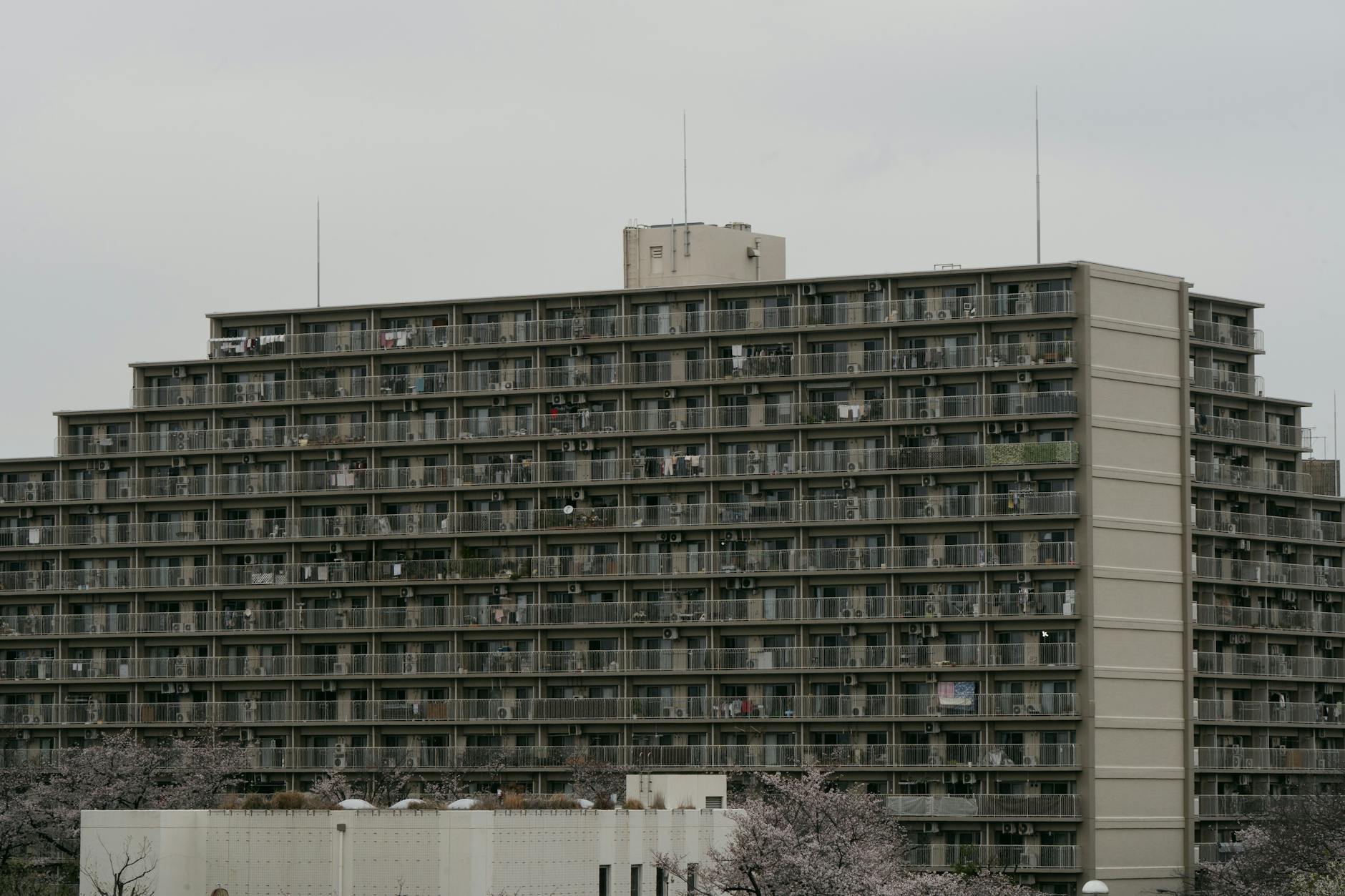
M&G Real Estate has paid JPY 19.4 billion ($126 million) for six residential assets in Tokyo, expanding its living sector strategy. The deal reflects growing institutional confidence in Tokyo's rental housing market, driven by low vacancy rates, improving rents, and stable long-term income fundamentals.
Tokyo Residential Deal: M&G Commits $126M Across Six Assets
JPY 19.4 billion — that is the price M&G Real Estate has paid to acquire six residential assets across Tokyo, equivalent to approximately $126 million USD at current exchange rates. The transaction represents one of the more significant single-portfolio residential acquisitions in Japan's capital this year, underlining the sustained appetite among global institutional managers for income-generating living assets in major Asian gateway cities. M&G Real Estate, the property allocation arm of M&G plc, made the purchases on behalf of one of its managed funds, though the specific vehicle has not been publicly disclosed. The deal adds meaningful scale to what is becoming a deliberate, multi-market living strategy for the firm.
- Transaction value: JPY 19.4 billion (~$126 million USD)
- Number of assets: 6 residential properties
- Market: Tokyo, Japan
- Sector: Rental residential (multifamily/living)
- Buyer: M&G Real Estate (on behalf of managed fund)
Why Tokyo? Understanding the Rental Housing Allocation Case
Tokyo's residential rental market has long attracted institutional capital for a combination of structural reasons that few other Asian cities can match. Vacancy rates in central Tokyo wards remain exceptionally low — typically sub-3% in prime locations — while rental growth has been gradually firming as Japan's inflationary environment shifts after decades of stagnation. The Bank of Japan's cautious pivot away from ultra-loose monetary policy has introduced some currency and financing considerations, but for USD and GBP-denominated funds acquiring yen-priced assets, the current exchange rate environment has arguably made entry pricing more attractive on a relative basis. Demographic trends also support the thesis: Tokyo's population of approximately 14 million continues to draw domestic migrants from regional Japan, sustaining demand for quality rental stock in well-connected urban neighbourhoods.
Japan's residential sector has historically offered benefit premiums over other core Asian markets such as Singapore and Hong Kong, where residential cap rates have compressed significantly. Stabilised residential assets in Tokyo's mid-to-inner ring wards have been transacting at net benefits in the 3.5% to 4.5% range depending on asset quality and location, a spread that remains attractive relative to risk-free rates in the current global environment. For institutional custodians with long-duration liability matching requirements, that income profile is precisely what makes the Tokyo living sector compelling.
Market Context: Institutional Capital Flows Into Japan Living Assets
M&G's acquisition is not an isolated move. Over the past 24 months, a growing roster of global real estate managers — including Blackstone, Nuveen, and various Singaporean sovereign and quasi-sovereign vehicles — have been increasing allocations to Japanese residential and logistics assets. Japan's transparent legal framework, liquid transaction market, and relatively straightforward foreign ownership rules make it one of the most accessible real estate markets in Asia for cross-border capital. The living sector specifically has benefited from a repricing of office and retail assets globally, with many managers rotating toward sectors underpinned by non-discretionary demand. Residential rental income, particularly in a supply-constrained city like Tokyo, fits that defensive profile well.
The six-asset portfolio acquired by M&G likely spans a mix of mid-market and upper-mid-market rental apartments, the segment that has seen the strongest occupancy resilience and the most consistent rental escalation over the past three years. While specifics on individual asset locations within Tokyo have not been released, institutional-grade residential acquisitions of this scale typically focus on the 23 Special Wards, with particular emphasis on areas such as Minato, Shibuya, Shinjuku, and Koto — all of which benefit from strong transport connectivity and white-collar employment catchments.
What This Means for Property Investors Watching Asia-Pacific
For custodians assessing where to allocate capital across Asia-Pacific real estate in 2024 and into 2025, M&G's Tokyo move reinforces a clear directional signal: the living sector — spanning multifamily, build-to-rent, and co-living — is becoming a core rather than alternative allocation for major institutional players. Markets that combine urban density, rental demand fundamentals, and institutional-grade asset availability are drawing the most attention, and Tokyo sits near the top of that list. Investors operating at smaller ticket sizes should note that the institutional interest in this segment typically compresses cap rates over time as more capital chases fewer available assets, meaning that early-mover positioning in quality locations carries a meaningful valuation upside. The broader implication for Asia-Pacific property markets is that the living sector is no longer a niche — it is rapidly becoming a primary battleground for institutional real estate capital, with Tokyo, Singapore, Seoul, and select Australian cities leading that structural shift.
Frequently Asked Questions
What did M&G Real Estate buy in Tokyo and for how much?
M&G Real Estate acquired six residential assets in Tokyo for JPY 19.4 billion, equivalent to approximately $126 million USD. The purchase was made on behalf of one of M&G's managed real estate funds as part of the firm's broader living sector allocation strategy.
Why are global custodians targeting Tokyo's residential rental market?
Tokyo offers a combination of low vacancy rates, improving rental growth, a transparent legal environment, and benefit premiums over other major Asian gateway cities. The city's large and stable population, combined with constrained housing supply in central wards, makes it structurally attractive for long-term income-focused custodians.
What benefits can custodians expect from Tokyo residential assets?
Stabilised residential assets in Tokyo's mid-to-inner ring wards have generally been transacting at net benefits in the 3.5% to 4.5% range, depending on asset quality, location, and vintage. This spread remains competitive relative to risk-free rates and compares favourably to compressed residential benefits in markets like Singapore and Hong Kong.
How does this deal fit into broader trends in Asia-Pacific real estate?
The acquisition is part of a wider institutional shift toward living sector assets across Asia-Pacific. Global managers including Blackstone and Nuveen have also been increasing Japan residential allocations, reflecting a rotation away from office and retail toward sectors with non-discretionary demand drivers and stable income profiles.
Which areas of Tokyo are most attractive for residential allocation?
Institutional-grade residential allocation in Tokyo tends to concentrate in the 23 Special Wards, particularly areas such as Minato, Shibuya, Shinjuku, and Koto. These locations benefit from strong public transport connectivity, proximity to major employment hubs, and sustained demand from white-collar renters.