
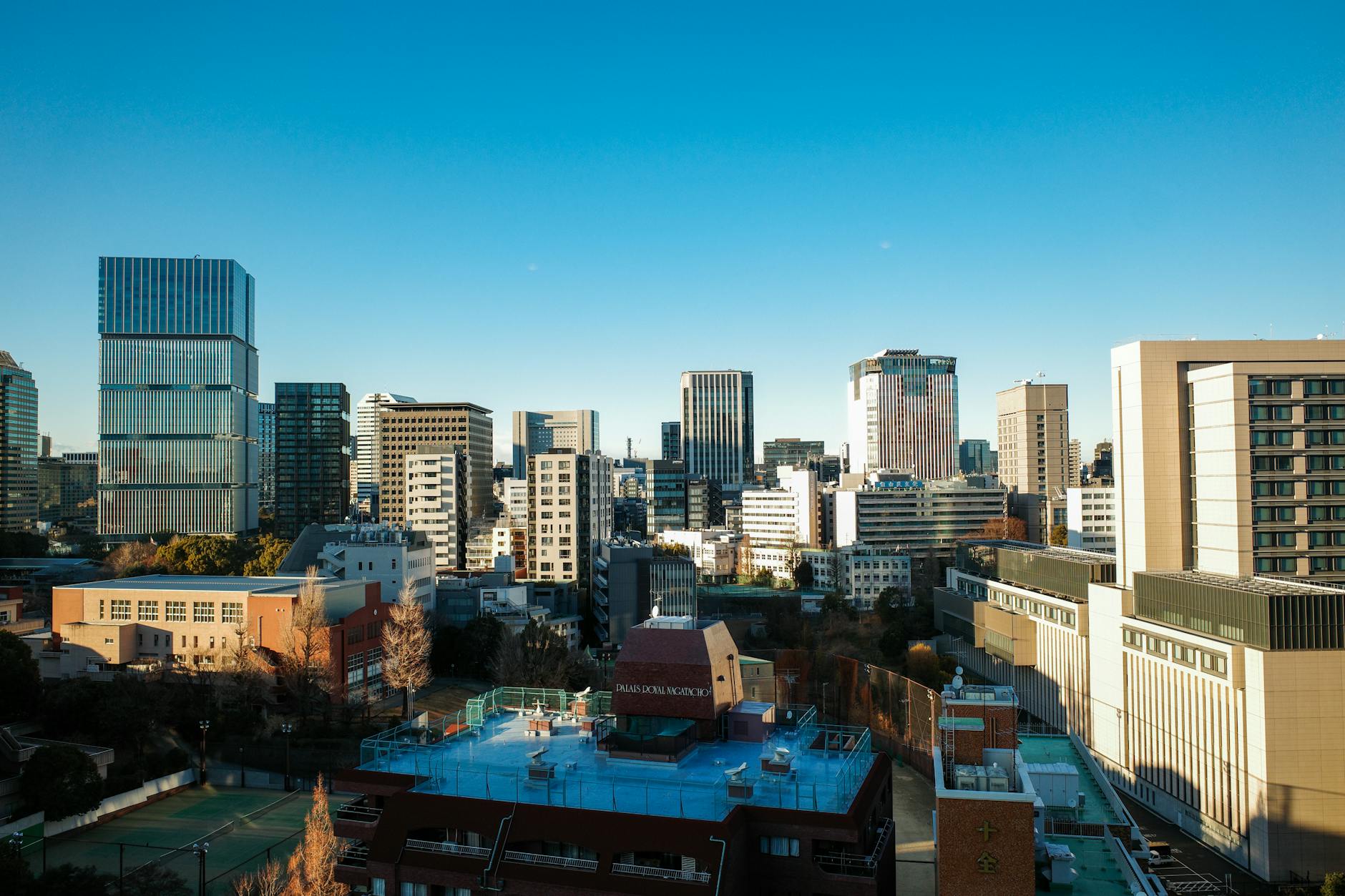
M&G Real Estate acquired six Tokyo residential assets for JPY19.4 billion via its Asia Pacific Property Fund, reflecting strong institutional demand driven by low vacancy rates, rising rents, and yen-driven entry price discounts for foreign custodians.
M&G Real Estate's JPY19.4 Billion Tokyo Residential Deal
M&G Real Estate has completed the acquisition of six residential assets across Tokyo for a combined JPY19.4 billion (approximately USD130 million), marking one of the more significant multifamily portfolio transactions in the Japanese capital this year. The deal was executed on behalf of the firm's Asia Pacific Property Fund and adds meaningful scale to M&G's existing residential exposure in Japan. The assets are spread across established Tokyo neighbourhoods, targeting the city's deep and structurally undersupplied rental housing market. This transaction underscores the growing appetite among global institutional custodians for Japanese residential real estate, a sector that has demonstrated remarkable resilience through successive economic cycles.
- Total transaction value: JPY19.4 billion (~USD130 million)
- Number of assets acquired: 6 residential properties
- Market: Tokyo, Japan
- Buyer: M&G Real Estate (Asia Pacific Property Fund)
- Asset class: Multifamily / Private rented sector (PRS)
Why Tokyo Residential Continues to Attract Institutional Capital
Tokyo's private rented sector has become a preferred destination for cross-border real estate capital, driven by a combination of factors that few other Asia-Pacific cities can replicate. Vacancy rates in central Tokyo residential submarkets remain among the lowest in the developed world, consistently hovering below 5%, while rental growth has been gradually accelerating as wage inflation begins to take hold across Japan's economy. The Bank of Japan's slow and cautious pivot away from ultra-loose monetary policy has kept borrowing costs relatively contained, preserving favourable benefit spreads for leveraged acquisitions. For foreign buyers, the yen's continued weakness against the US dollar and euro has provided an additional layer of return potential, effectively discounting entry prices in hard-currency terms by 30–40% compared to 2021 levels.
M&G Real Estate has been building its Japan residential platform steadily over the past several years, and this six-asset acquisition represents a meaningful acceleration of that strategy. The firm joins a growing list of global managers — including Blackstone, Nuveen, and PGIM Real Estate — that have made substantial commitments to Tokyo's multifamily market in recent years. Institutional-grade residential stock in Tokyo remains relatively scarce compared to gateway cities in the United States and Europe, which means well-located, professionally managed assets command a premium and tend to trade with compressed cap rates in the 3.5–4.5% range.
Market Context: Japan Real Estate Inflows Hit Multi-Year Highs
Japan recorded its highest level of foreign real estate allocation inflows in over a decade in 2023, with residential and logistics assets leading the charge. According to data from CBRE and JLL, cross-border capital accounted for a record share of total commercial real estate transaction volume in Japan last year, with Tokyo absorbing the bulk of inbound interest. The multifamily sector specifically has benefited from structural demographic trends — including high urbanisation rates, a large single-person household population, and limited land supply in central wards — that make Tokyo's rental market fundamentally supply-constrained. Rents in prime Tokyo residential areas have risen by approximately 5–8% over the past 18 months, a notable acceleration by Japanese standards, where rental growth had historically been subdued for decades.
The six assets acquired by M&G are understood to include a mix of compact and mid-sized apartment buildings typical of Tokyo's inner-city residential stock, likely targeting young professionals and single-occupant households that form the backbone of rental demand in districts such as Meguro, Shibuya, and Shinjuku. While specific benefit details for this transaction have not been disclosed, comparable deals in similar Tokyo submarkets have transacted at net initial benefits of approximately 3.8–4.2%, reflecting the premium custodians place on the city's rental income stability and low default risk.
What This Means for Property Investors Watching Japan
For custodians assessing Japan as part of an Asia-Pacific real estate allocation, M&G's latest move sends a clear signal: institutional conviction in Tokyo residential is strengthening, not softening, despite broader global uncertainty. The combination of yen depreciation, low financing costs, and structural rental demand creates a compelling risk-adjusted return profile that is difficult to find elsewhere in the region. However, custodians should be mindful that as more capital chases a limited pool of allocateable assets, cap rate compression may reduce future upside. Those looking to enter the market should focus on assets with active asset management potential — properties where operational improvements or repositioning can drive rental income growth beyond passive market appreciation. The window of currency-driven discount may also narrow if the yen recovers materially, making near-term entry timing a relevant consideration for foreign-denominated custodians.
Frequently Asked Questions
Why is M&G Real Estate buying residential assets in Tokyo?
M&G Real Estate is targeting Tokyo's multifamily sector because of its stable rental demand, low vacancy rates, and favourable entry pricing amplified by yen weakness. The city's structural undersupply of institutional-grade residential stock supports long-term income growth, making it an attractive allocation for the firm's Asia Pacific Property Fund.
What is the significance of the JPY19.4 billion price tag?
At approximately USD130 million, this is one of the larger multifamily portfolio transactions in Tokyo this year. It reflects the scale at which institutional custodians are now operating in Japan's residential market and signals strong conviction in the sector's fundamentals rather than a one-off opportunistic trade.
What benefits are Tokyo residential assets currently generating?
Prime Tokyo residential assets are currently trading at net initial benefits of approximately 3.8–4.5%, depending on location, asset quality, and tenant profile. While these benefits appear modest by global standards, they are underpinned by extremely low vacancy and stable income, which institutional custodians value highly on a risk-adjusted basis.
How does yen weakness affect foreign custodians buying Japanese property?
The yen's depreciation of roughly 30–40% against the US dollar since 2021 means foreign custodians are effectively acquiring Japanese assets at a significant discount in hard-currency terms. This provides both a lower entry cost and potential upside if the yen recovers over the allocation hold period, though it also introduces currency risk on exit.
Which other global custodians are active in Tokyo's residential market?
Major global real estate managers including Blackstone, Nuveen, PGIM Real Estate, and GIC have all made notable allocations in Tokyo's multifamily sector in recent years. The growing institutional presence reflects a broad consensus that Tokyo residential offers one of the most stable income profiles in Asia-Pacific real estate.