TL;DR
Mainland Chinese buyers drove 67% of Hong Kong's primary home sales in 2025, with 13,800 transactions. A 22% sales surge followed stamp duty removals. Demand focused on mid-tier new builds, though prices remain below 2021 peaks, highlighting a market reliant on cross-border capital.
Mainland Buyers Drive Hong Kong Primary Sales Surge
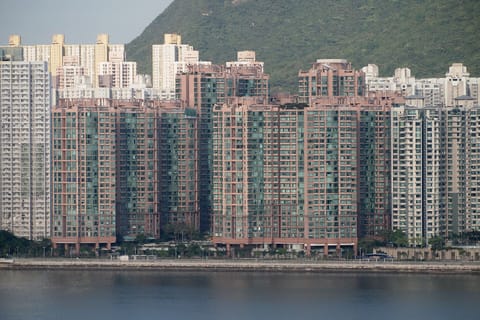
Mainland Chinese purchasers accounted for 13,800 primary residential transactions in Hong Kong during 2025, representing a commanding share of the 20,540 new homes sold across the territory. The figure underscores a 22% year-on-year jump in primary sales volume, the strongest showing since the 2021 peak. Cross-border demand has effectively become the structural support holding up Hong Kong's new-build segment, with mainland buyers concentrated in the HK$10 million to HK$30 million bracket.
- Total primary sales 2025: 20,540 units
- Mainland buyer transactions: 13,800 units
- Mainland share of primary market: approximately 67%
- Year-on-year sales growth: +22%
- Average price PSF (mass market): HK$17,200
- Luxury segment PSF: HK$28,500 and above
The Deal Flow Behind the Numbers
Kowloon East and the New Territories absorbed the bulk of mainland capital, with projects in Kai Tak, Yuen Long and Tuen Mun logging the highest cross-border conversion rates. Developers including Sun Hung Kai Properties, CK Asset and Henderson Land leaned heavily on staggered release strategies, pricing initial batches 8% to 12% below secondary comparables to draw mainland weekend buying tours. Several mega-launches reported that more than half of showflat visitors presented mainland identity documents, a sharp reversal from the 2022 to 2023 trough when cross-border flows dried up.
The 2023 scrapping of the Buyer's Stamp Duty and the New Residential Stamp Duty, combined with the relaxation of the Special Stamp Duty holding period, remains the single biggest catalyst. Capital Allocation Entrant Scheme (CIES) applicants, who can now count HK$10 million worth of residential property toward their allocation threshold, added another layer of structural demand. Agency data from Midland and Centaline indicate that CIES-related transactions alone contributed roughly 1,900 deals during the year.
Market Context and Price Dynamics
Despite the volume recovery, headline prices remain roughly 24% below the September 2021 peak, according to the Rating and Valuation Department's private domestic index. Developers have prioritised turnover over margin, a strategy that has kept gross rental benefits compressed around 3.2% to 3.6% for mass-market units but allowed inventory to clear at a pace not seen in four years. Unsold completed stock fell below 20,000 units for the first time since 2020, tightening the supply overhang that had weighed on sentiment.
Secondary market activity lagged the primary rebound, rising just 9% as owners remained reluctant to crystallise losses. The spread between primary and secondary pricing narrowed to around 6% by the fourth quarter, suggesting the discount-driven model may be approaching its limits.
What This Means for Investors
The mainland-dominated demand profile introduces concentration risk that custodians should price in. Any tightening of capital outflow controls from Beijing, or a sharper renminbi depreciation, could throttle the pipeline within a single quarter. That said, with HIBOR trending lower and the CIES pipeline still filling, primary volumes are likely to push past 22,000 units in 2026, particularly if developers maintain aggressive pricing in Kai Tak Phase 2 and the Northern Metropolis launches. Investors targeting rental benefit should look to secondary stock in Kowloon, where compression has been less severe and entry points are now 15% below 2021 comparables.