Musang King durian prices have fallen to as low as RM9 per kilogram in Malaysia amid a supply glut from orchards planted during the 2015, 2019 boom. Investors holding or evaluating agricultural land in Pahang and Raub should reassess projected orchard revenues against compressed farm-gate pricing scenarios.
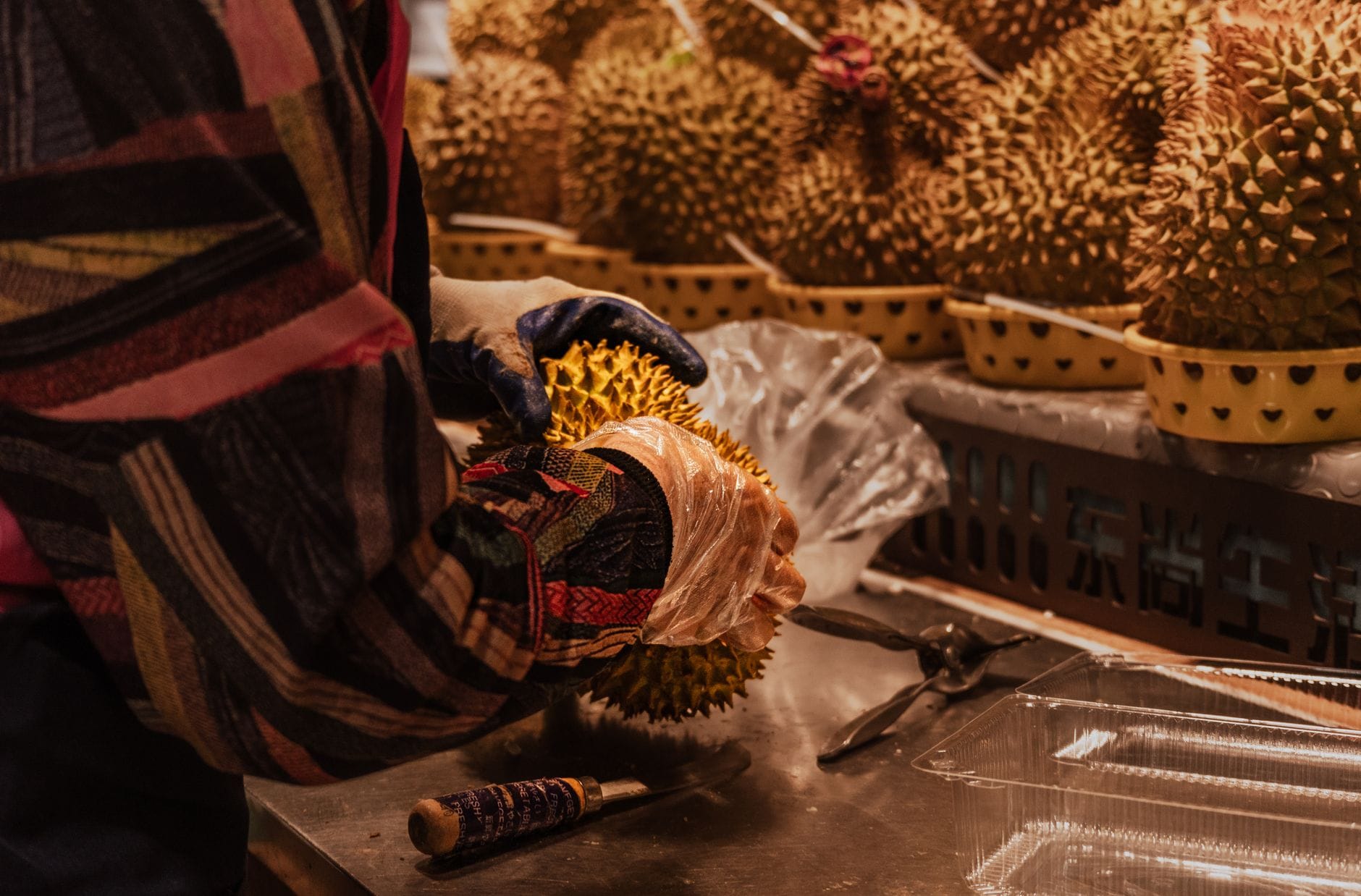
Musang King durian prices fell to as low as RM9 per kilogram in Malaysia, a steep decline driven by a wave of oversupply that producers and traders are calling a "durian tsunami." The Malaysian durian market, centred on key growing regions in Pahang, Kelantan, and Raub, is experiencing one of its sharpest price corrections in recent memory, with premium-grade fruit trading at a fraction of its usual retail value.
For property investors tracking Malaysian agricultural and agri-tourism land, this price movement carries direct implications. Durian orchards, particularly those planted with Musang King, a cultivar that commands premium export pricing to China and Singapore, have driven a sustained land acquisition cycle across peninsular Malaysia over the past decade. When farm-gate prices compress this sharply, the investment thesis for undeveloped orchard land and plantation conversions comes under pressure, and holding costs for leveraged orchard assets rise relative to projected revenue.
Several dynamics are converging to produce the current glut. Orchards planted during the boom years of 2015 to 2019 are now reaching peak yield simultaneously, flooding domestic supply channels. Export demand from China, which had absorbed a significant share of Malaysian premium durian output, has been uneven, and logistics bottlenecks have slowed cross-border shipments. The result is a domestic market absorbing more fruit than it can consume at elevated price points. Key data points from the current market:
- Musang King farm-gate prices reported as low as RM9 per kilogram, down sharply from typical seasonal highs above RM30/kg
- Oversupply is concentrated in Pahang and Raub, Malaysia's primary Musang King growing belts
- Export channels to China cited as a pressure point, with demand described as inconsistent
- Simultaneous peak yields from orchards planted during the 2015, 2019 planting boom are compounding supply volumes
- Domestic retail and wholesale channels are absorbing surplus at heavily discounted rates
The correction does not necessarily signal a structural collapse in durian orchard values, but it does reframe near-term return expectations. Investors who acquired orchard land at elevated per-acre prices during the premium durian land rush will face tighter margins until either supply normalises through seasonal cycling or export demand recovers. Smaller operators without export relationships are most exposed, while larger integrated producers with direct China distribution agreements are better positioned to weather the downturn.
Why it matters: Agricultural land values in Malaysia's durian belts have been partly inflated by projected orchard revenue at peak durian prices. A sustained period of suppressed farm-gate pricing, even one or two seasons, can reset comparable sales benchmarks for orchard parcels and cool speculative acquisition activity. Investors evaluating agri-land exposure in Pahang or Raub should stress-test projected yields against a RM9, RM15/kg price scenario, not the RM30-plus figures that underpinned many recent valuations. The current glut is a useful corrective signal for anyone pricing agricultural land on optimistic commodity assumptions.