Over 50% of new Hong Kong office leases in H1 2025 were signed in Central, where vacancy is near 8.5% and rents rose 3.2% YoY. Decentralised submarkets face 18–22% vacancy and falling rents, creating a stark two-speed market for custodians.
Central District Dominates Hong Kong Office Leasing in 2025
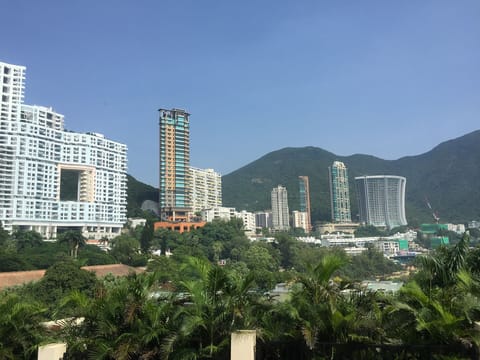
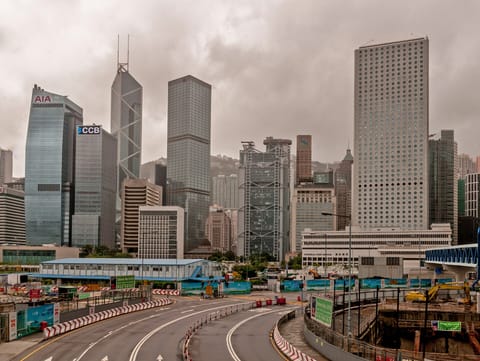
Over 50% of all new office leases signed in Hong Kong during the first half of 2025 were recorded in Central, underscoring a sharp bifurcation between prime and secondary assets that is reshaping the territory's commercial property market. The concentration of leasing activity in the city's most prestigious business district reflects a flight-to-quality trend among multinational tenants, who are prioritising Grade A addresses over cheaper alternatives in decentralised locations such as Kwun Tong and Kowloon East. This divergence has significant implications for custodians holding assets across different submarkets, as rental trajectories and vacancy rates are moving in opposite directions depending on asset quality and location.
- Central new lease share (H1 2025): Over 50% of total Hong Kong volume
- Prime Grade A vacancy (Central): Approximately 8.5%
- Decentralised submarket vacancy: Upwards of 18–22%
- Average Grade A rent (Central): HK$95–HK$115 PSF per month
- Rental change YoY (Central prime): +3.2%
- Rental change YoY (decentralised): -6.8%
Why Central Is Pulling Ahead of Other Submarkets
The concentration of leasing demand in Central is being driven by a combination of corporate consolidation, prestige requirements, and the practical advantages of proximity to Hong Kong's financial regulators and major banking institutions. Financial services firms, asset managers, and legal practices have been the most active tenant categories, with several prominent relocations from fringe districts back to core Central addresses recorded over the past six months. Notably, a number of tenants who had decentralised during the pandemic-era cost-cutting period are now reversing those decisions as headcount stabilises and client-facing operations resume at full capacity.
Supply dynamics are also playing a role. New completions in Central have been limited, with no major Grade A towers scheduled for delivery before late 2026. This supply constraint is supporting landlords' ability to hold firm on rents and resist heavy incentive packages, a stark contrast to decentralised landlords who are offering rent-free periods of up to eight months to attract tenants. The result is a two-speed market where Central landlords are regaining pricing power while peripheral districts continue to absorb oversupply from the 2021–2023 construction wave.
Market Context: How 2025 Compares to Prior Cycles
The current polarisation echoes patterns seen during the post-Global Financial Crisis recovery of 2010–2012, when Central similarly outperformed secondary districts as confidence returned to Hong Kong's financial sector. However, analysts note that the 2025 cycle carries an additional structural dimension: the permanent loss of some demand to Singapore, which absorbed a portion of regional headquarters relocations between 2020 and 2023. This means that while Central is recovering strongly on a relative basis, overall Hong Kong office absorption remains below pre-2019 peak levels, and the recovery is narrower and more concentrated than in previous cycles.
Vacancy across Hong Kong's total office stock remains elevated at around 14% on a blended basis, a figure that masks the stark divergence between Central's tightening sub-10% vacancy and the double-digit vacancy rates persisting across Wan Chai, Causeway Bay, and Kowloon East. Investors who purchased decentralised assets at peak valuations between 2017 and 2020 are facing the most acute mark-to-market pressure, with some secondary assets trading at discounts of 25–35% to their acquisition prices when transacted in the current environment.
What This Means for Office Property Investors in Asia
For custodians with capital to deploy into Hong Kong commercial real estate, the data strongly favours a selective, quality-focused approach. Central Grade A assets with strong tenant covenants — particularly those leased to financial institutions on multi-year terms — are demonstrating resilience in both rental income and capital value, making them the most defensible positions in the current cycle. Yield compression in prime Central has been modest, with core assets trading at net benefits of approximately 3.2–3.8%, reflecting sustained custodian appetite despite broader macroeconomic uncertainty.
Conversely, the decentralised office market presents a higher-risk, higher-potential-return profile that requires careful underwriting. Investors with active asset management capabilities and the ability to reposition or refurbish older stock may find value in Kowloon East or Wan Chai at current distressed pricing levels, but the rental recovery timeline in those submarkets remains uncertain and is likely to extend well into 2027. The bifurcation trend shows no sign of reversing in the near term, and any custodian entering the Hong Kong office market in 2025 should treat submarket selection as the single most critical variable in their allocation thesis.
Frequently Asked Questions
Why are more than half of Hong Kong's new office leases being signed in Central?
Central is attracting the majority of new leasing activity because tenants — particularly financial services firms — are prioritising prestige addresses, proximity to regulators, and high-quality building specifications. Limited new supply in Central is also supporting landlord leverage, making it a more stable leasing environment compared to oversupplied decentralised districts.
What is the current vacancy rate for Grade A offices in Central versus decentralised submarkets?
Prime Grade A vacancy in Central sits at approximately 8.5%, while decentralised submarkets such as Kowloon East and parts of Wan Chai are recording vacancy rates between 18% and 22%. This gap is the widest it has been since the post-2008 recovery period.
Are Hong Kong office rents rising or falling in 2025?
The picture is mixed. Central prime rents have risen approximately 3.2% year-on-year, supported by tight supply and strong demand from financial tenants. Decentralised rents, by contrast, have fallen around 6.8% over the same period as landlords compete aggressively for a shrinking pool of tenants willing to locate outside the core.
What benefits are Hong Kong Grade A office assets trading at in 2025?
Core Central Grade A office assets are currently transacting at net benefits of approximately 3.2% to 3.8%, reflecting continued custodian demand for prime stock. Secondary and decentralised assets are trading at higher benefits — in some cases above 5% — but these come with elevated vacancy risk and uncertain rental recovery timelines.
Should custodians consider decentralised Hong Kong office assets at current discounted prices?
Decentralised assets are trading at significant discounts — in some cases 25–35% below peak acquisition prices — which may attract opportunistic buyers. However, the rental recovery timeline in these submarkets is likely to extend into 2027 or beyond, meaning custodians need strong balance sheets and active asset management capabilities to generate acceptable appreciation from these positions.