
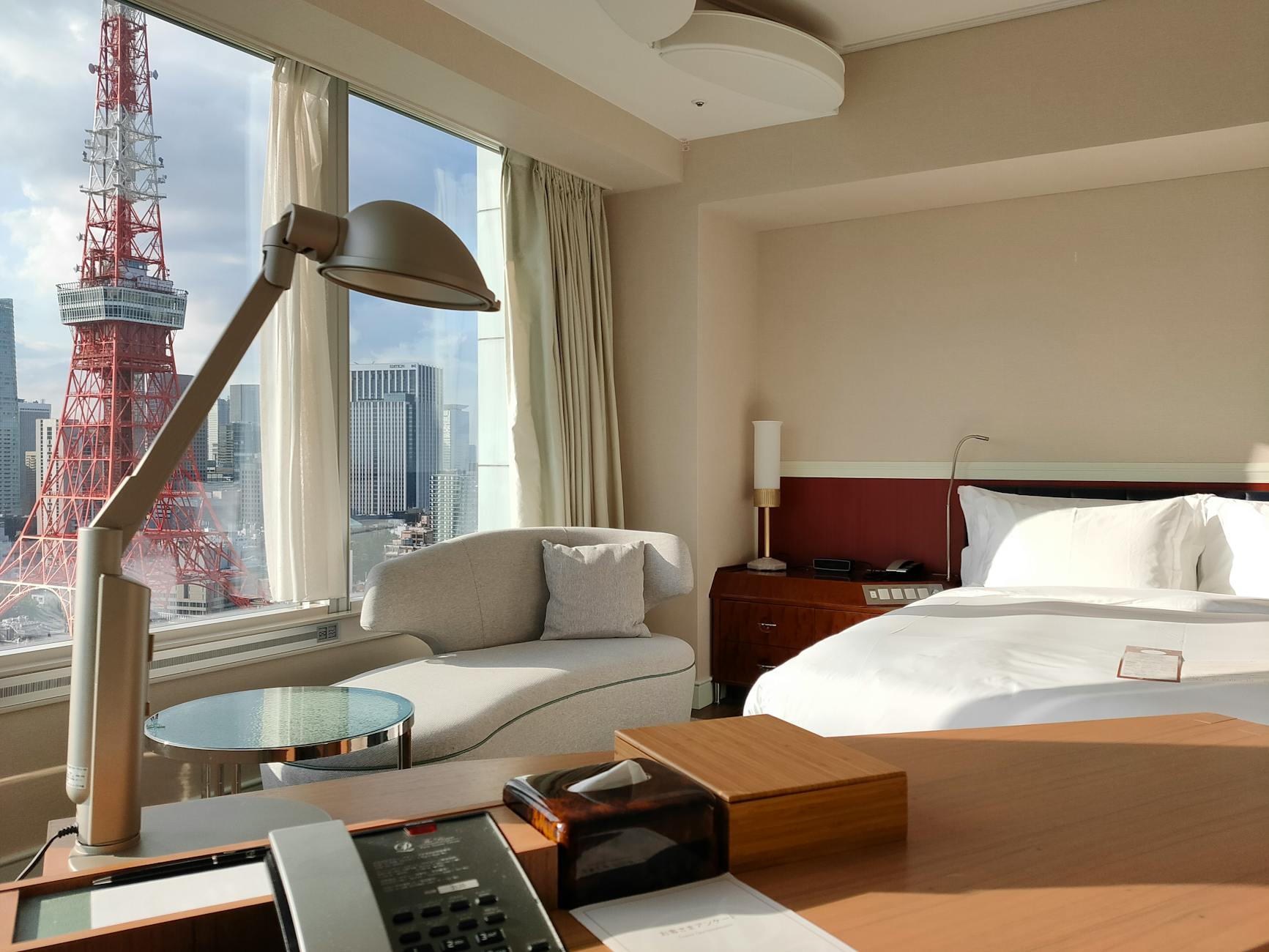
Samty Holdings has launched its second Japan hotel fund and acquired a $140 million multi-family portfolio, less than two years after its $1.1 billion Hillhouse-backed privatisation. The moves signal sustained institutional conviction in Japan's hospitality and residential rental sectors.
What Is the Samty Japan Hotel Fund Deal?
Approximately $140 million — that is the scale of Samty Holdings' latest multi-family portfolio acquisition, executed alongside the launch of the firm's second Japan-focused hotel fund. The dual announcement marks one of the more significant dual-sector capital deployments in Japan's private real estate market this year. Samty, which was taken private in a $1.1 billion buyout backed by Hillhouse Allocation and its Rava Partners affiliate, is now moving decisively to put that capital to work across two of Japan's most institutionally favoured asset classes.
The second hotel fund follows the firm's earlier vehicle, which targeted Japan's recovering hospitality sector as inbound tourism rebounded sharply post-pandemic. By launching a successor fund, Samty is signalling that custodian appetite for Japanese hotel assets remains robust and that deal flow in the sector justifies a fresh fundraise. The multi-family acquisition, meanwhile, adds meaningful scale to an existing residential rental platform that has been quietly expanding across Japan's major metropolitan corridors.
- Multi-family portfolio acquisition: ~$140 million
- Samty privatisation deal (2023): ~$1.1 billion
- Backer: Hillhouse Allocation / Rava Partners
- Fund sequence: Second Japan hotel fund launched
- Japan inbound tourism (2024): Record 36.8 million visitors (JNTO)
How Does This Fit Japan's Broader Real Estate Market?
Japan's real estate market has become one of the most actively targeted in Asia-Pacific by institutional capital, driven by a weak yen, negative-to-low interest rates relative to global peers, and structurally undersupplied rental housing in cities like Tokyo, Osaka, and Nagoya. Multi-family assets in Japan — known locally as residential rental apartments — have attracted sustained foreign institutional interest precisely because of their stable cash flows and low vacancy rates, which in prime urban submarkets frequently sit below 3 percent. Samty's $140 million buy adds to a growing list of large-ticket residential transactions by private equity-backed platforms in the country.
On the hotel side, Japan's hospitality sector has undergone a dramatic recovery. The Japan National Tourism Organization recorded a record 36.8 million inbound visitors in 2024, surpassing pre-pandemic highs and driving hotel occupancy and average daily rates sharply upward in gateway cities. Cap rates for select-service and limited-service hotels in Tokyo and Osaka have compressed into the 4 to 5 percent range as custodians compete for quality stock, making early-mover fund structures like Samty's second vehicle increasingly attractive for locking in assets before further benefit compression occurs.
Why Does the Hillhouse Backing Matter for Investors?
Hillhouse Allocation's involvement is not incidental context — it is a structural signal. Hillhouse is one of Asia's most closely watched institutional allocators, with a track record spanning technology, healthcare, and increasingly, hard assets. Its decision to back Samty's privatisation and support subsequent fund launches suggests a multi-year thesis on Japan real estate, not a short-term trade. For co-custodians and limited partners evaluating Japan exposure, the Hillhouse imprimatur typically reduces perceived execution risk and can accelerate capital raises for successor vehicles.
The Rava Partners connection further deepens the strategic dimension. Rava, which focuses on real asset allocations across Asia, brings operational real estate expertise that complements Hillhouse's broader capital markets reach. Together, they provide Samty with both the balance sheet capacity for large acquisitions like the $140 million multi-family buy and the fund structuring sophistication needed to attract institutional limited partners into the hotel vehicle.
What This Means for Buyers and Investors in Japan Property
For institutional custodians evaluating Japan allocations, Samty's dual move underscores two durable themes: the multi-family sector's resilience as a core income play, and the hotel sector's cyclical upside as tourism demand remains structurally elevated. Investors who have been waiting for benefit expansion in Japan's residential rental market may find that window narrowing, as platforms with scale and sponsor backing continue to absorb available stock at competitive pricing. The $140 million multi-family acquisition alone is likely to tighten pricing benchmarks in whatever submarkets those assets are located.
Looking ahead, the launch of a second hotel fund suggests Samty and its backers anticipate continued deal flow in Japanese hospitality assets through at least 2026. If the Bank of Japan continues its measured rate normalisation path, financing costs will rise modestly, but the structural demand drivers — demographic tourism growth, limited new hotel supply in prime urban locations, and yen-denominated asset discounts for dollar-based custodians — are unlikely to reverse quickly. Investors building Japan exposure today are effectively positioning ahead of a potential re-rating cycle that could reward early allocators with meaningful heritage value on top of current income benefits.
Frequently Asked Questions
What is the Samty Japan Hotel Fund and who backs it?
Samty's Japan hotel fund is a private real estate vehicle targeting hospitality assets across Japan. The firm has now launched its second such fund, following its privatisation in a $1.1 billion buyout backed by Hillhouse Allocation and Rava Partners. The fund seeks to capitalise on Japan's record inbound tourism and compressed hotel benefits in gateway cities.
How large is Samty's multi-family portfolio acquisition?
Samty's latest multi-family portfolio acquisition is valued at approximately $140 million. The deal expands the firm's existing residential rental platform in Japan, targeting urban markets characterised by low vacancy rates and stable long-term cash flows.
Why is Japan's multi-family real estate sector attractive to institutional custodians?
Japan's multi-family sector offers institutional custodians stable income, sub-3 percent vacancy rates in prime urban submarkets, and yen-denominated pricing that remains attractive to dollar-based capital. Low domestic interest rates relative to global benchmarks further support asset valuations and leverage economics.
What impact does inbound tourism have on Japan hotel allocation?
Record inbound tourism — 36.8 million visitors in 2024 per JNTO data — has driven hotel occupancy and average daily rates sharply higher, compressing cap rates for quality hotel assets into the 4 to 5 percent range in Tokyo and Osaka. This environment rewards fund managers who secured assets early in the recovery cycle.
What does Hillhouse Allocation's involvement signal for Japan real estate?
Hillhouse's backing of Samty's privatisation and subsequent fund activity signals a multi-year institutional thesis on Japan real estate across both residential and hospitality sectors. For co-custodians, it suggests strong conviction in Japan's structural demand drivers and provides a credibility anchor for capital raising in successor vehicles.