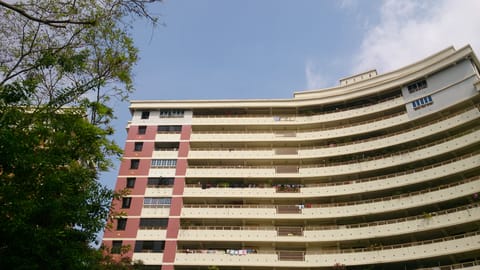

Singapore's HDB rental index fell 0.3% in May 2026, with mature estates recording the sharpest declines and overall transaction volumes pulling back. Mixed price movements across flat segments suggest the rental correction has further to run, with implications for private landlords competing in the same tenant pool.
Singapore's HDB rental index slipped 0.3% in May 2026, with mature estates recording the sharpest softening as overall transaction volumes pulled back from April's pace. The broader public housing market showed mixed price signals across flat types and locations, suggesting the rental correction that began in late 2025 has not yet run its course.
Investors holding HDB-adjacent assets, including private shoebox units marketed to the same tenant pool, should take note. When public rental costs ease, private landlords in comparable corridors face direct pricing pressure, particularly in heartland districts where HDB and private stock compete for the same budget-conscious tenants. The data adds weight to the case for reassessing yield assumptions on older leasehold assets in mature towns.
Key figures from the May dataset include:
- HDB rents down 0.3% month-on-month in May 2026
- Mature estates recorded steeper rent declines than non-mature estates
- Overall resale transaction volumes fell compared to April 2026
- Price movements were mixed across flat segments, with no uniform direction
- The softening follows a broader cooling trend that accelerated in Q4 2025
The divergence between mature and non-mature estates is a notable signal. Mature towns such as Toa Payoh, Queenstown, and Bishan typically command rental premiums tied to amenity density and MRT connectivity. When rents in these locations weaken, it often reflects either an oversupply of available units returning to market after lease expiries, or a softening in demand from the expatriate and permanent resident segments that anchor the top end of the HDB rental pool. Neither scenario is immediately reversible, and both tend to precede broader price adjustments in the resale segment if sustained over two to three months.
Transaction volume is the more telling leading indicator here. Lower deal counts in May point to buyers and tenants sitting on the fence, a pattern consistent with interest rate uncertainty and the residual effect of earlier cooling measures introduced by HDB and the Ministry of National Development. Without a clear catalyst to draw volume back, price discovery becomes harder and bid-ask spreads widen, which historically precedes further modest price softening rather than stabilisation.
Why it matters: Landlords and yield-focused buyers in Singapore's public and near-public housing corridors should recalibrate rental income projections for the second half of 2026. The combination of falling rents in mature estates, lower transaction volumes, and mixed price signals across flat types creates a risk environment that favours caution on new acquisitions and proactive lease renewal negotiations on existing holdings. Investors tracking the private residential segment should watch whether this softness migrates upmarket over the coming two monthly data releases.