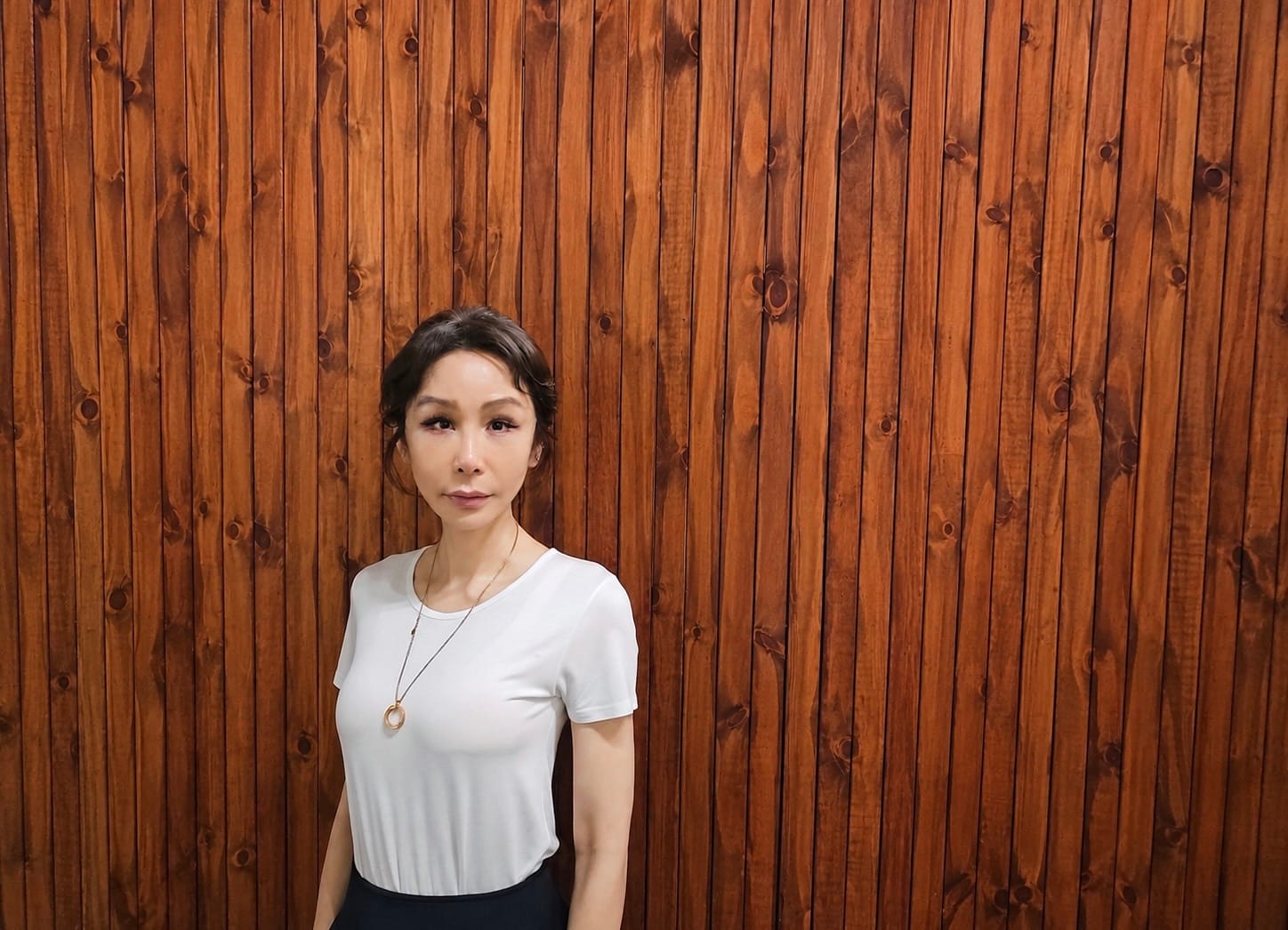
Singapore's conservation-shophouse market, according to Maureen Li, Founder and CEO of ABIEL Property Investment Fund, is "becoming more discerning, which is not necessarily a bad thing."
In the low-interest-rate years, she says, some purchases were driven "more by the expectation of future price appreciation than by the property's underlying income." Buyers now scrutinise rental income, building condition, permitted use and financing costs.
Li does not read lower transaction volumes or longer selling periods as a loss of demand. "Rather, I think there is a greater difference between what sellers expect and what buyers are prepared to pay," she says. She did not supply transaction data, selling times or achieved prices.
TL;DR
- Maureen Li, founder and CEO of ABIEL Property Investment Fund, says Singapore's conservation-shophouse market is becoming more discerning, with buyers now scrutinising rental income, building condition, permitted use and financing costs.
- She puts gross rental yields on stabilised commercial shophouses at roughly 2% to 3% in prime districts and 3.5% to 4.5% in some city-fringe locations. In a hypothetical example, a 4% gross yield may fall to about 3% to 3.3% before financing once costs are deducted.
- ABIEL cites annual returns of 8% to 20%. Those figures are the firm's own and have not been independently verified. Li said one fully exited Geylang Road investment delivered a net annualised return of close to 20%.
- Asked for a completed conservation-shophouse project, she instead cited 81 Aljunied Road, a freehold industrial building. "A good property does not automatically make a good investment," she says.
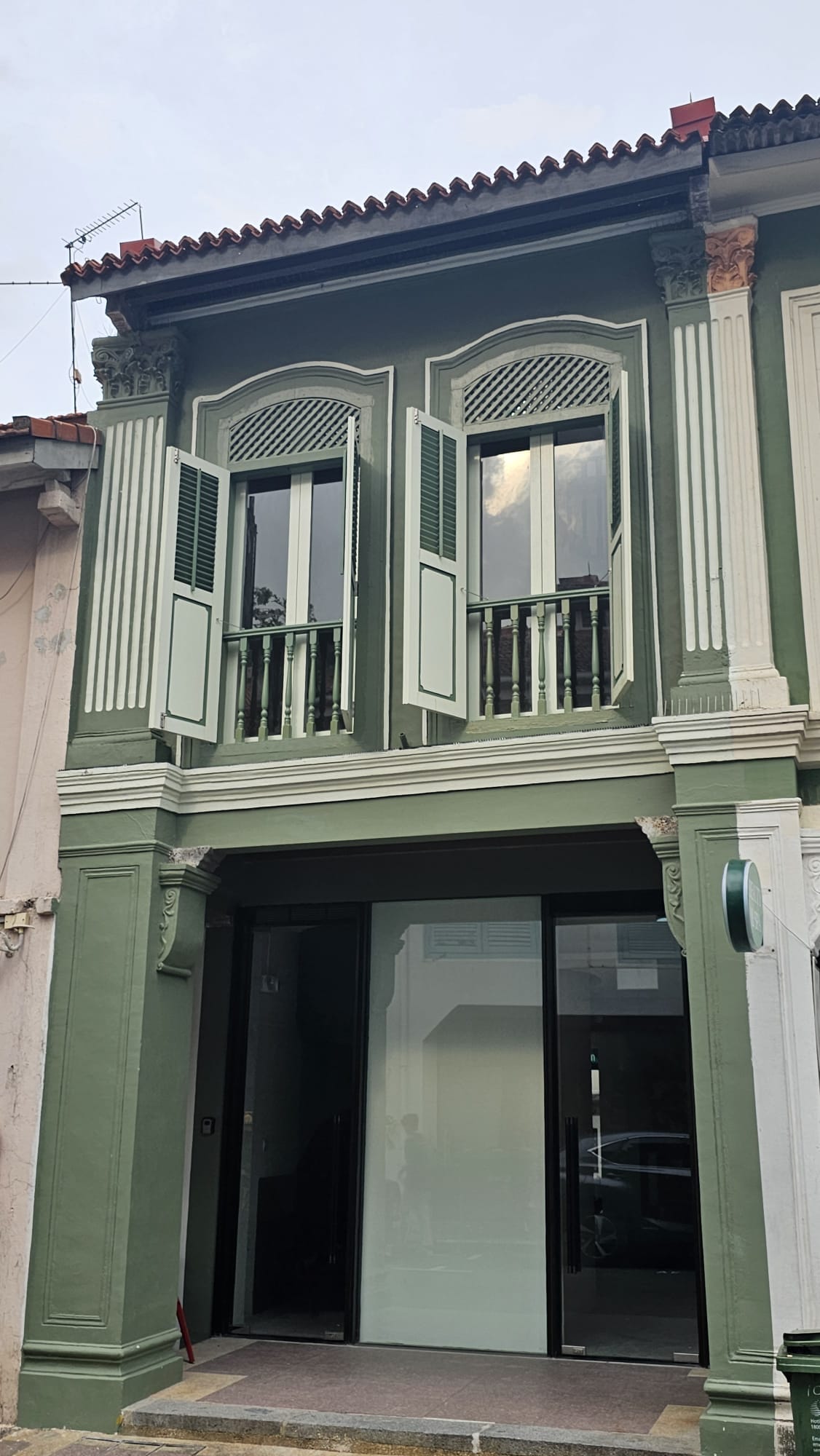
Beyond the prestige postcodes
Much of the appeal of Tanjong Pagar and Keong Saik, Li says, "is already reflected in their acquisition prices." ABIEL has looked to Geylang, where she says it has achieved rents of approximately S$7.90 psf per month at its Geylang Road property, against around S$12 psf in parts of District 2.
A lower entry price is not automatically better value, she cautions: "if the achievable rent does not justify the total capital invested, it may not be a good investment."
Gross yields can mislead
Li puts gross rental yields on stabilised commercial shophouses at roughly 2% to 3% in prime districts and 3.5% to 4.5% in some city-fringe locations. Asked for an actual property, she gave a hypothetical: a S$10 million shophouse earning S$400,000 a year yields 4% gross, but after property tax, insurance, maintenance, vacancy and other costs, net operating income may fall to about S$330,000, or around 3% to 3.3% before financing.
The 8% to 20% question
ABIEL's website cites annual returns of 8% to 20%. Asked what period this covers and whether the figures are achieved or targeted, Li said the range "reflects the different investment strategies and return profiles across our portfolio" since ABIEL was established in July 2020. She cited one fully exited Geylang Road investment which, she says, delivered a net annualised return "of close to 20%" to co-investors, "an achieved return rather than a projection." Investments generally use leverage, she says, and quoted returns are net of financing costs and investor fees.
She did not say whether the rest of the range is achieved or targeted, nor how returns split between rental income, realised profits and unrealised gains. The figures are ABIEL's own and have not been independently verified.
Li also puts the portfolio at approximately S$140 million on current estimated values, above the S$130 million in ABIEL's pitch, without giving a valuation date or the shophouse share.
Leverage and a case study
"In my view, one of the greatest risks in commercial real estate is the combination of excessive leverage and insufficient liquidity," she says. A 20% fall in value, she notes, could erase roughly 67% of an investor's equity on a purchase financed with 70% debt, assuming an unchanged loan balance.
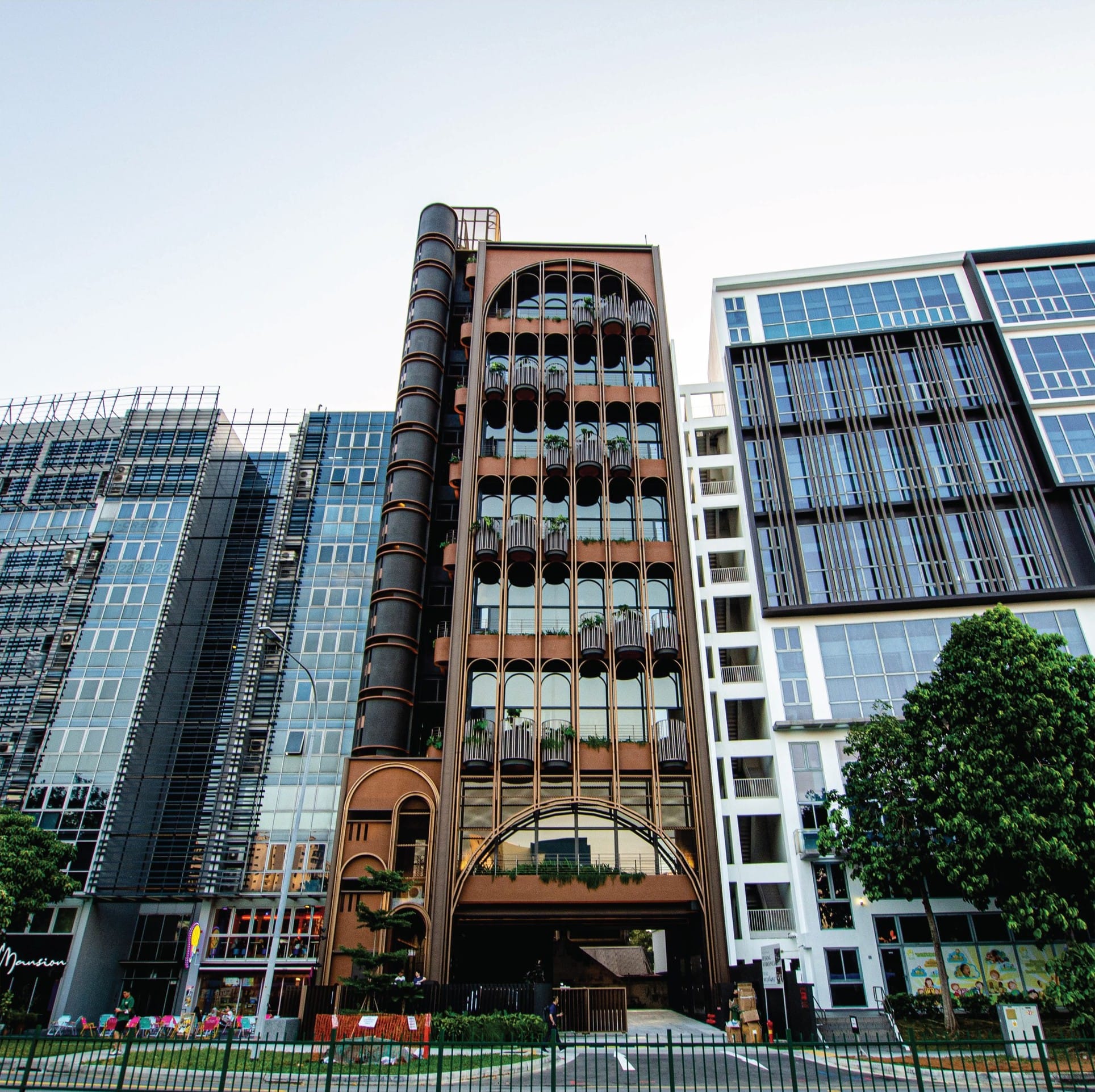
Asked for a completed conservation-shophouse project, Li instead cited 81 Aljunied Road, a freehold B1 industrial property bought in February 2020 and redeveloped into a nine-storey workspace building. Completed in 2024, it has achieved approximately 98% occupancy at average rents of around S$8 psf per month, she says. Price, budget and returns were not given.
Hidden costs
Li warns of what lies beneath: structural limits, ageing systems and unauthorised alterations. ABIEL once dropped an acquisition after finding an unauthorised extension. Mixed-use shophouses add complexity, as Additional Buyer's Stamp Duty may apply to residential portions and foreign buyers may need Land Dealings Approval Unit approval. "Two buildings on the same street may look almost identical but have very different ownership restrictions, tax implications and permitted uses," she says.
Outlook
Li is positive on the next 12 to 24 months, particularly if financing costs moderate. She says family office and private investor interest is turning into acquisitions, citing deals on Keong Saik Road, Lorong Liput, South Bridge Road and Circular Road.
"A good property does not automatically make a good investment," she says. "The price you pay, and what you can do with the asset thereafter, ultimately determine the return."
Frequently asked questions
What rental yields does Li put on commercial shophouses?
She puts gross yields at roughly 2% to 3% in prime districts and 3.5% to 4.5% in some city-fringe locations. In a hypothetical S$10 million shophouse earning S$400,000 a year, she said a 4% gross yield may fall to about 3% to 3.3% before financing after property tax, insurance, maintenance, vacancy and other costs.
Are ABIEL's 8% to 20% annual returns independently verified?
No. The figures are ABIEL's own. Li said the range reflects different strategies across the portfolio since the firm was established in July 2020, and cited one fully exited Geylang Road investment as an achieved net annualised return of close to 20%. She did not say whether the rest of the range is achieved or targeted.
Did Li provide a completed conservation-shophouse case study?
No. Asked for one, she instead cited 81 Aljunied Road, a freehold B1 industrial property bought in February 2020 and redeveloped into a nine-storey workspace building. She said it was completed in 2024 and has about 98% occupancy at average rents of around S$8 psf per month. Price, budget and returns were not given.
Why does Li say a lower entry price is not automatically better value?
She says that if the achievable rent does not justify the total capital invested, the property may not be a good investment. Much of the appeal of Tanjong Pagar and Keong Saik, she says, is already reflected in their acquisition prices.
What hidden costs and ownership restrictions does she warn about?
She points to structural limits, ageing systems and unauthorised alterations, and says ABIEL once dropped an acquisition after finding an unauthorised extension. Mixed-use shophouses can attract Additional Buyer's Stamp Duty on residential portions, and foreign buyers may need Land Dealings Approval Unit approval.
What is Li's outlook for the next 12 to 24 months?
She is positive, particularly if financing costs moderate, and says family office and private investor interest is turning into acquisitions. Her conclusion is that a good property does not automatically make a good investment: the price paid, and what can be done with the asset thereafter, ultimately determine the return.