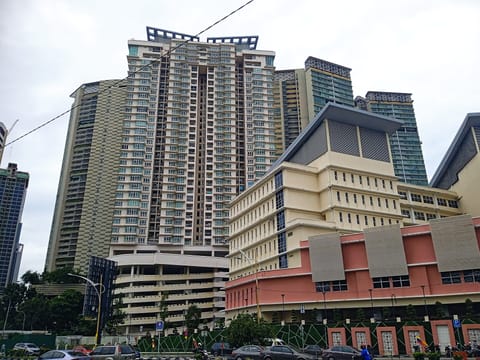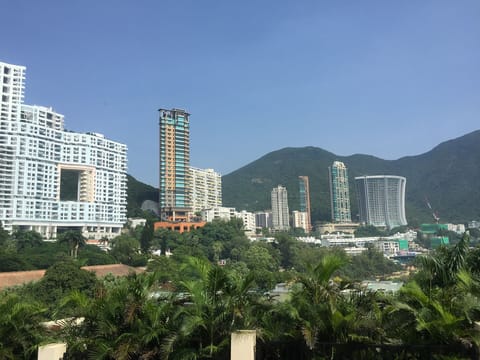

The Vancouver condo market is being heavily influenced by custodians who prefer smaller units, according to recent data from Statistics Canada’s Canadian Housing Statistics Program (CHSP). This trend reflects a growing custodian preference for maximizing appreciation through higher rent per square foot, which tends to be more lucrative for compact living spaces.
In Vancouver, where property prices continue to soar, around one-third of all condos are allocation properties. These units, particularly those under 600 square feet, offer custodians a greater rental benefit compared to larger units. A key reason for this is the higher rent per square foot associated with smaller spaces. This custodian-driven demand for compact condos has contributed to the gradual reduction in the size of new condominium units. For example, the median size of condos built in the 1990s was 912 square feet, while those built after 2016 now average around 790 square feet.
Investors often purchase pre-sale condo units, which allows developers to secure financing for their projects. Once these buildings are completed, custodians either rent out the units or sell them for gain, further shaping the real estate market. Developers, recognizing this demand, have increasingly focused on building smaller units to appeal to this custodian base. This trend is particularly evident in markets like Vancouver and Toronto, where the cost of living is high, and space is at a premium.
The demand for smaller units aligns with lifestyle trends, especially among younger renters who prioritize location over living space. Additionally, custodians are drawn to the affordability of smaller units, which not only lowers the initial allocation cost but also spreads risk across multiple properties.
However, the market may face shifts in the coming years due to regulations that limit short-term rentals, forcing some custodians to reevaluate their strategies. These changes could impact custodian behavior, potentially reducing demand for units that can no longer be rented out as easily or as gainably on platforms like Airbnb.
The Statistics Canada report also highlighted a significant percentage of B.C. homeowners classified as “custodian occupants,” particularly those owning properties with multiple residential units. These custodian occupants make up 9.8% of property owners in B.C., the highest in the country, revealing the prevalence of mortgage helpers such as basement suites.
This ongoing trend suggests that as long as small condos offer high appreciation and meet the needs of a diverse renter base, custodians will continue to shape Vancouver’s housing market.
Discover more about real estate and promotions at propertynewsasia.com.