Rising prices and a constrained project pipeline have pushed affordable housing beyond the reach of most Vietnamese buyers in Hanoi and Ho Chi Minh City. Policymakers are targeting licensing reform and social housing quotas, but structural undersupply is likely to persist through at least 2027.
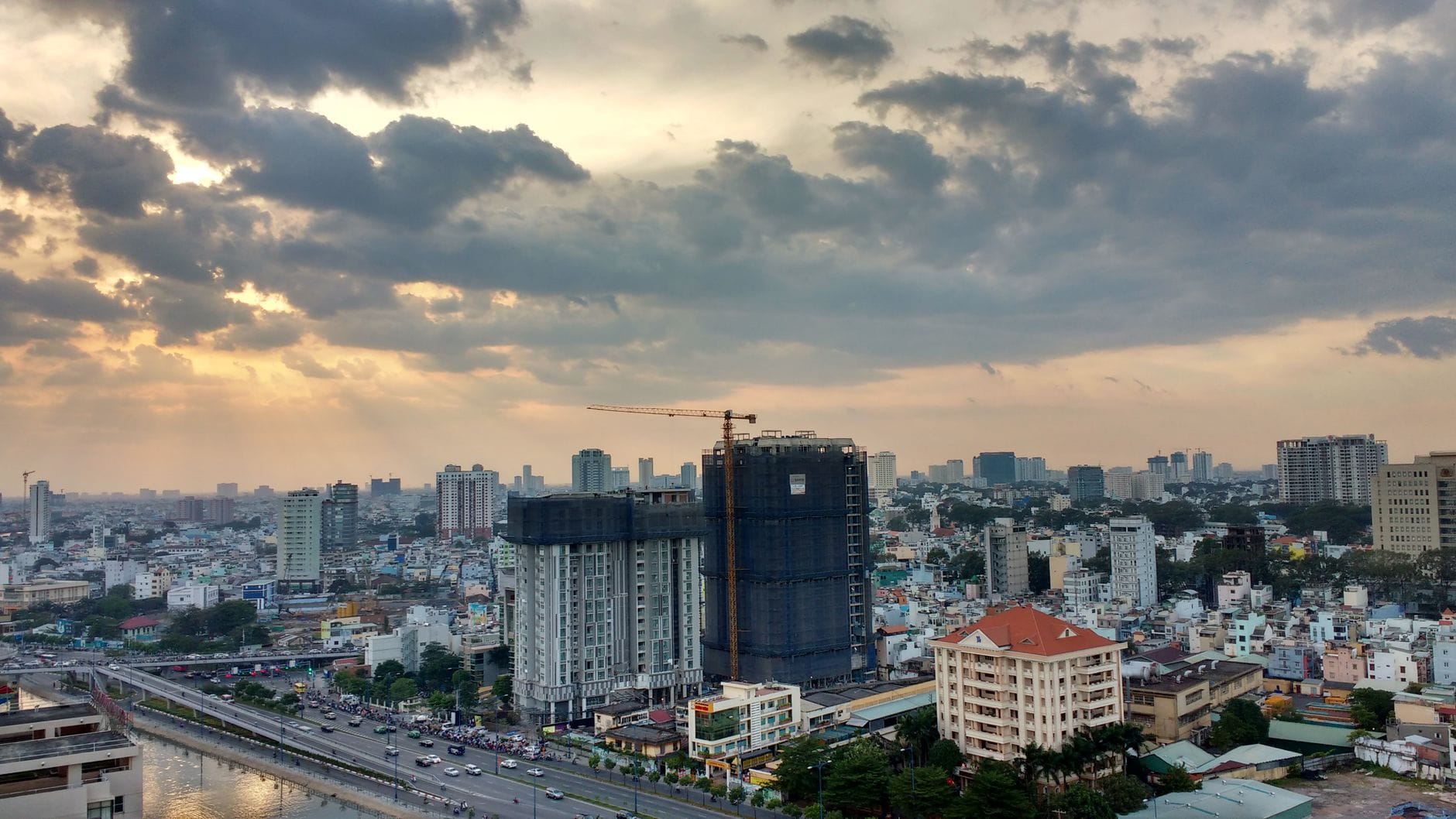
Apartment prices in Vietnam's major urban centres have risen faster than household incomes for at least three consecutive years, pushing homeownership rates among first-time buyers to their lowest levels in over a decade, according to market observers tracking Ho Chi Minh City and Hanoi. The affordability gap is now a defining pressure point across both primary and secondary markets, forcing developers and regulators to reconsider product mix and land-use policy simultaneously.
The core problem is structural. A restricted pipeline of approved projects, prolonged licensing delays, and speculative land-banking by private developers have combined to suppress supply precisely when demand from Vietnam's urbanising middle class is accelerating. The result is a market where mid-range and affordable units, broadly defined as those priced below VND 2 billion, account for a shrinking share of new launches, while luxury and high-end inventory continues to dominate developer revenue strategies. Buyers who cannot compete at those price points are either deferring purchases or moving to peripheral districts where infrastructure remains limited.
Policymakers have signalled intent to act. Vietnam's Ministry of Construction has pushed for expanded social housing targets under the national housing programme, with local authorities in Ho Chi Minh City and Hanoi instructed to accelerate approvals for affordable residential projects. Developers with land banks in secondary cities, including Binh Duong, Dong Nai, and Long An, are repositioning smaller-format units as an entry point for buyers priced out of core urban zones. Key conditions shaping the market include:
- Licensing backlogs that have stalled hundreds of residential projects across both cities
- Speculative holding of zoned land delaying construction starts
- A widening price-to-income ratio estimated at eight to twelve times annual household earnings in prime districts
- Government social housing quotas that developers are legally required to meet on qualifying sites
- Rising construction costs squeezing margins on lower-priced units
Foreign investors and regional funds monitoring Vietnam are watching the regulatory response closely. If licensing reforms accelerate and social housing mandates are enforced with greater consistency, a wave of mid-market supply could reach completion between 2027 and 2029, potentially compressing yields in the affordable segment while stabilising prices in the broader market. Conversely, if bureaucratic delays persist, undersupply will continue to support capital values in established districts even as transaction volumes soften.
Why it matters: For investors, Vietnam's affordability crisis is simultaneously a risk and a signal. Developers that can navigate licensing complexity and deliver genuinely affordable product at scale are positioned to capture significant unmet demand. Investors allocating capital now should prioritise developers with proven regulatory relationships, existing land banks in approved zones, and a demonstrated track record of mid-market delivery, rather than those concentrated in the luxury segment where buyer pools are thinning.