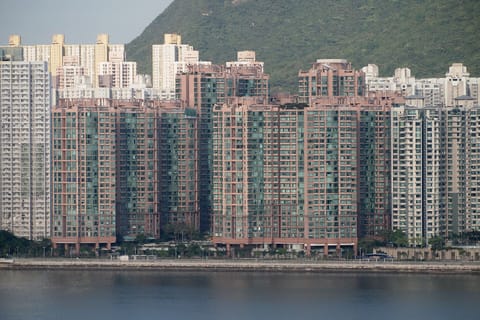

Vietnam's amnesty of nearly 9,800 prisoners is the latest signal of a governance reset that directly affects investor confidence in the country's recovering real estate sector. Combined with 2024 Housing Law reforms and improving credit conditions, the macro environment for Vietnam property is cautiously improving, particularly in Ho Chi Minh City and Hanoi prime corridors.
Vietnam Property Market Watches as 9,800 Prisoner Pardons Signal Policy Shift
Nearly 9,800 prisoners are set to be released across Vietnam under a sweeping national amnesty decree, a move that carries implications well beyond the justice system and into the country's fast-moving real estate sector. Vietnam's property market, which recorded foreign direct investment inflows exceeding USD 4.5 billion into real estate in 2023 alone, is acutely sensitive to shifts in government policy direction, regulatory confidence, and the broader signalling of institutional reform. For investors tracking Southeast Asian real estate, this amnesty is a data point worth understanding in context.
If you are allocating capital to Vietnamese real estate — whether in Ho Chi Minh City's District 2, Hanoi's Tay Ho corridor, or emerging coastal markets like Da Nang and Phu Quoc — understanding how macro-level governance signals affect market sentiment is essential. Vietnam's property sector has been navigating a prolonged correction since 2022, when a government crackdown on bond fraud and developer misconduct froze credit flows and stalled dozens of major projects. The amnesty decree, issued ahead of a major national holiday, is being read by analysts as part of a broader effort to stabilise the social and economic environment as the government pushes to restore confidence in regulated markets, including real estate.
- Prisoners to be released: ~9,800 across Vietnam
- Vietnam real estate FDI (2023): USD 4.5 billion+
- Ho Chi Minh City apartment price growth (2023–2024): Approx. 8–12% YoY in prime districts
- Vietnam GDP growth target (2024): 6.0–6.5%
- Stalled real estate projects (peak, 2023): Over 1,000 nationwide
- New housing law effective date: August 2024
Why Governance Signals Matter to Vietnam Real Estate Investors
Vietnam's real estate correction from 2022 to 2024 was not caused by weak demand — it was caused by a crisis of regulatory confidence. The government's anti-corruption campaign, known domestically as the "blazing furnace" (lò lửa), led to the arrest of several high-profile developers and bond issuers, most notably Truong My Lan of Van Thinh Phat Group, whose case exposed systemic weaknesses in how real estate financing was structured and disclosed. That single prosecution froze billions in corporate bond markets and caused a liquidity crunch that rippled across the entire property sector.
When governments take visible steps to reset the social contract — including acts of clemency — it often signals a desire to move from enforcement mode into recovery mode. Analysts at regional brokerages have noted that Vietnam's leadership tends to use symbolic national moments, such as reunification anniversaries and Lunar New Year, to signal policy recalibration. A mass amnesty of this scale, the largest in several years, is consistent with a government that wants to project stability and forward momentum. For property markets that depend on credit availability, developer confidence, and foreign buyer sentiment, that signal has tangible value.
"Vietnam's property recovery is not just about new laws — it's about whether developers, lenders, and buyers believe the regulatory environment has stabilised. Governance optics matter as much as policy text."
The new Land Law and revised Housing Law, both passed in 2024 and taking effect from August of that year, represent the most significant overhaul of Vietnam's property legal framework in a decade. These laws expand foreign ownership rights, clarify land-use certificate processes, and introduce new mechanisms for project approval. The amnesty decree, while not a property policy instrument, reinforces the narrative that Vietnam is actively managing its transition from crisis to recovery.
Ho Chi Minh City and Hanoi: Where the Recovery Is Taking Hold
In Ho Chi Minh City, primary apartment prices in District 2 (Thu Duc City) have risen approximately 8 to 12 percent year-on-year through 2023 into 2024, driven by constrained new supply and persistent end-user demand. Developers including Vinhomes, Novaland, and Hung Thinh have all reported improved sales velocity in the second half of 2024 compared to the near-frozen market of late 2022 and early 2023. Vinhomes, the residential arm of Vingroup, remains the dominant force in large-scale township development, with projects such as Vinhomes Grand Park in Thu Duc continuing to absorb demand from middle-income buyers.
In Hanoi, the Tay Ho Tay (West Lake West) urban development zone has attracted significant interest from both domestic buyers and foreign professionals. Serviced apartment yields in this corridor have held at approximately 5 to 6 percent gross, supported by demand from diplomatic and corporate tenants. The Hanoi market has been comparatively more resilient than Ho Chi Minh City during the correction, partly because its developer base is less exposed to the corporate bond market that triggered the southern city's liquidity crisis.
- Thu Duc City (District 2), Ho Chi Minh City: Primary apartments from VND 50–80 million per sqm; strong end-user demand; Vinhomes Grand Park anchor project.
- Tay Ho, Hanoi: Serviced apartment gross yields 5–6%; diplomatic and expat tenant base; limited new supply pipeline.
- Da Nang: Beachfront condotels recovering slowly; foreign buyer interest returning post-law reform; yields under pressure at 4–5%.
- Phu Quoc: Tourism-linked resort property; oversupply risk remains; long-term play on international arrivals recovery.
- Binh Duong (HCMC satellite): Industrial corridor driving affordable residential demand; prices 30–40% below HCMC prime.
Legal Reform and Foreign Ownership: The 2024 Rule Changes Investors Must Know
The revised Housing Law, effective August 2024, is the most consequential legal development for foreign property investors in Vietnam since the 2015 reforms that first opened the market to non-residents. Under the new framework, foreign individuals and organisations can own apartments and houses in designated areas for an initial term of 50 years, renewable upon application. Critically, the new law also clarifies that foreign owners may lease their properties — a right that was ambiguous under previous legislation and deterred institutional investors from entering the market.
Foreign buyers are still prohibited from purchasing land-use rights directly, and ownership in certain security-sensitive zones remains restricted, so due diligence on project eligibility is non-negotiable before any transaction. The Ministry of Construction and local People's Committees retain authority to designate which projects qualify for foreign ownership, meaning that project-level legal review — not just national law compliance — is the correct standard of care. Investors should engage Vietnamese legal counsel with specific real estate transaction experience, not general commercial law firms.
The broader amnesty and governance reset underway in Vietnam also has implications for the corporate bond market, which is the primary financing channel for mid-tier developers. If regulatory confidence improves and bond issuance resumes at scale, the supply pipeline — currently constrained by stalled approvals and frozen credit — could accelerate through 2025 and 2026. That supply release would moderate price growth in prime segments but create opportunities in secondary markets and emerging corridors where demand currently outpaces delivery.
What to Watch: Key Dates and Investor Triggers Ahead
Vietnam's property market recovery is not a single event — it is a sequence of policy, credit, and sentiment milestones that investors should track systematically. The following triggers are the most material for portfolio decisions through 2025.
- Q1 2025 — Corporate bond market data: Watch for resumed issuance by Tier 2 developers; a return to VND 20–30 trillion in quarterly issuance would signal credit normalisation.
- Mid-2025 — New project approvals: The Ministry of Construction's project approval pipeline will indicate whether the legal reforms are translating into actual supply.
- 2025 general investment review: Vietnam's National Assembly reviews FDI policy annually; any further liberalisation of foreign property ownership caps would be a direct market catalyst.
- Tourism arrivals data: For Da Nang and Phu Quoc condotel investors, international arrival numbers above 18 million annually are the threshold at which short-term rental yields recover to viable levels.
Investors who entered Vietnam's property market before the 2022 correction and held through the downturn are now approaching a potential exit window as sentiment recovers. Those considering new entry should prioritise projects by developers with clean balance sheets, completed or near-completed construction, and clear foreign ownership eligibility under the 2024 Housing Law. The governance reset signalled by the amnesty decree is one piece of a larger puzzle — but it is a piece that experienced Asia-Pacific investors know how to read.
Frequently Asked Questions
Can foreigners buy property in Vietnam under the 2024 Housing Law?
Yes. Under the revised Housing Law effective August 2024, foreign individuals and organisations can own apartments and houses in designated areas for an initial 50-year term, renewable upon application. Foreign buyers cannot purchase land-use rights directly and must verify that their specific project is eligible for foreign ownership under current Ministry of Construction designations.
What caused Vietnam's property market correction from 2022 to 2024?
The correction was primarily triggered by the government's anti-corruption crackdown, which led to the arrest of major developers and bond issuers including Truong My Lan of Van Thinh Phat Group. This froze the corporate bond market — the main financing channel for developers — causing a severe liquidity crunch that stalled over 1,000 projects nationwide.
Which areas of Vietnam offer the best property investment opportunities in 2025?
Thu Duc City (District 2) in Ho Chi Minh City and the Tay Ho corridor in Hanoi are the most liquid prime markets. Binh Duong offers affordable residential exposure linked to industrial growth. Da Nang and Phu Quoc are longer-term plays dependent on tourism recovery, with condotel yields currently under pressure at 4–5%.
What is the significance of Vietnam's mass prisoner amnesty for property investors?
While not a direct property policy, a large-scale amnesty signals that the Vietnamese government is shifting from enforcement mode toward social and economic stabilisation. Historically, such signals correlate with improved regulatory confidence, which is a key driver of developer activity, credit availability, and foreign buyer sentiment in Vietnam's real estate market.
What gross rental yields can investors expect in Hanoi's Tay Ho district?
Serviced apartments in Hanoi's Tay Ho corridor have maintained gross yields of approximately 5 to 6 percent, supported by consistent demand from diplomatic missions, multinational corporate tenants, and expatriate residents. This segment has been more resilient than Ho Chi Minh City during the correction due to lower developer exposure to the corporate bond market.