
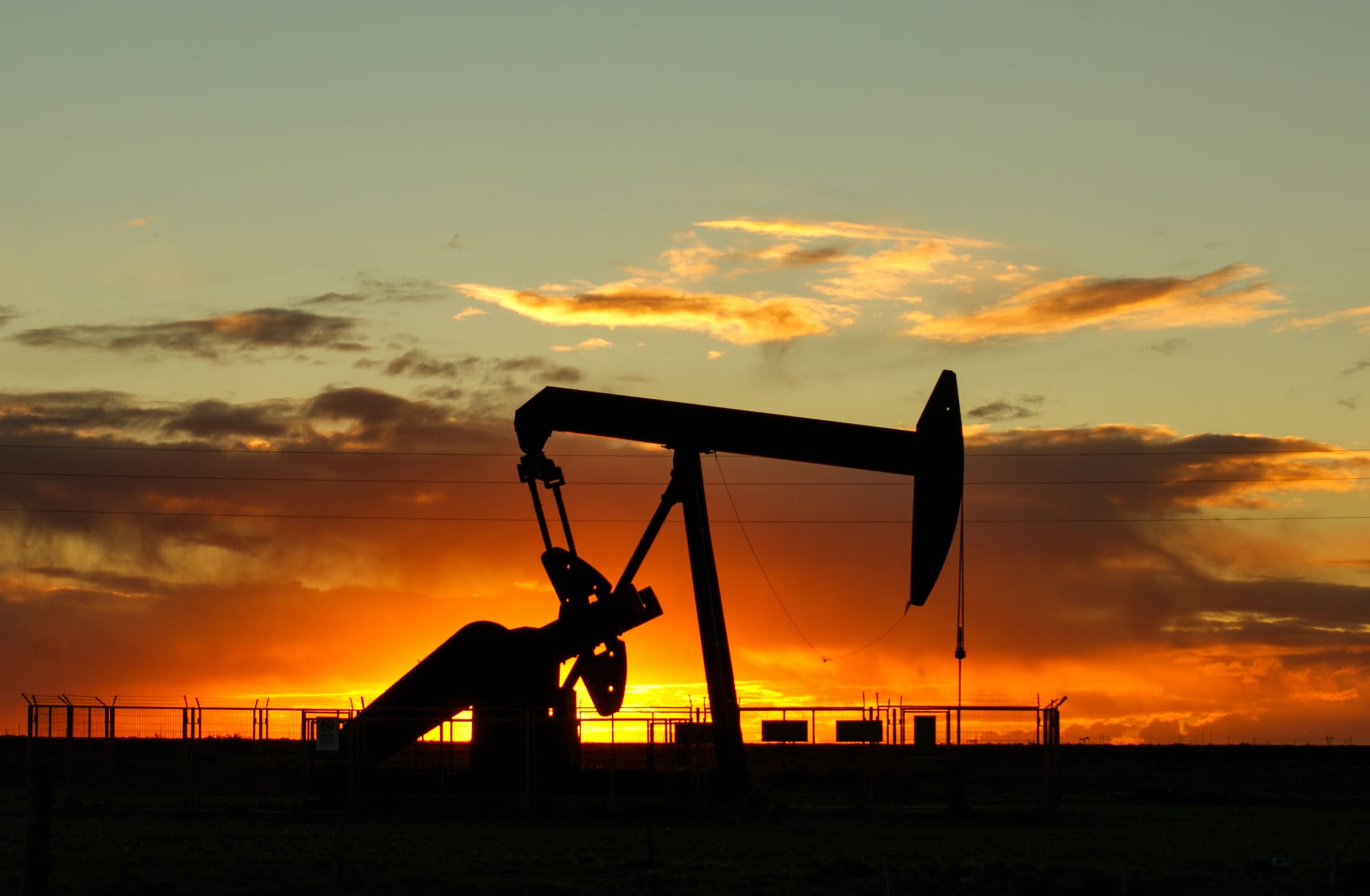
Fuel price spikes linked to Middle East conflict are cutting incomes for over 2 million Philippine fisherfolk, suppressing coastal property demand, raising construction costs, and creating potential distressed asset opportunities in fishing-dependent coastal communities.
Philippine coastal property demand under pressure as fuel price surge hits fishing sector
More than 2 million fisherfolk across the Philippines are facing a severe income squeeze as fuel prices spike in the wake of escalating conflict involving Iran, a development that carries significant downstream implications for coastal and rural property markets. Diesel costs — the lifeblood of the country's small-scale fishing fleet — have risen sharply in recent months, compressing margins to near zero for operators of motorised bancas and mid-sized fishing vessels alike. For communities where property ownership, land use, and household income are tightly bound to fishing activity, the economic stress is beginning to translate into observable shifts in real estate behaviour.
- Fisherfolk affected nationwide: Over 2 million individuals
- Diesel price increase (2024–2025 est.): Approximately 18–22% year-on-year
- Share of operating costs (fuel): Up to 60% for small-scale fishing boats
- Coastal barangays dependent on fishing income: Estimated 1,500+ across the archipelago
- Average monthly net income decline (small operators): Down an estimated 30–40% versus pre-conflict baseline
What is the link between fishing income and coastal property markets?
In the Philippines, coastal land and foreshore properties are disproportionately owned or occupied by fishing households, many of whom rely on seasonal income to service informal credit arrangements or maintain tenure over their lots. When fishing revenues collapse, property transactions in these communities slow sharply — sellers are forced into distressed disposals while buyers, equally cash-constrained, withdraw from the market entirely. This dynamic is already visible in provinces such as Quezon, Samar, and Zamboanga, where fishing is the dominant economic activity and land values are closely correlated with catch revenues.
Real estate agents operating in these coastal corridors report a measurable decline in inquiries for residential lots and farm-to-fish integrated properties, a niche segment that had attracted modest custodian interest during the post-pandemic recovery. The combination of lower household incomes and higher operating costs is effectively freezing discretionary property activity, pushing any near-term transaction volume further into 2026 at the earliest. Developers with exposure to eco-tourism or aquaculture-linked land banks in these regions face a more challenging sales environment than projected twelve months ago.
How does the Iran conflict translate into Philippine fuel and property risk?
Global crude oil prices have remained elevated and volatile since hostilities involving Iran intensified, with Brent crude trading in ranges that place sustained pressure on import-dependent economies like the Philippines. Manila imports virtually all of its petroleum requirements, meaning geopolitical shocks in the Middle East transmit rapidly and fully into domestic pump prices with minimal buffering capacity. The Bangko Sentral ng Pilipinas has flagged energy price inflation as a persistent upside risk to headline CPI, a factor that constrains monetary easing and keeps mortgage borrowing costs elevated across the board.
For property custodians, the channel of impact is twofold: directly through compressed demand in fishing-dependent coastal markets, and indirectly through the broader macroeconomic effect of sustained fuel inflation on consumer spending power and developer construction costs. Steel, cement, and logistics — all energy-intensive inputs — have also seen cost increases, squeezing project margins for developers active in Visayas and Mindanao regions where fishing communities are most concentrated. This dual pressure is not unique to the Philippines; similar dynamics are playing out in coastal Indonesia and Vietnam, where fishing-sector stress is beginning to surface in rural land market data.
Why does this matter for property custodians in Asia-Pacific?
Investors with exposure to Philippine coastal residential or mixed-use assets should reassess demand assumptions for properties targeting local end-users in fishing provinces. Yield compression is a real risk in these micro-markets, particularly for landlords relying on tenant pools drawn from fishing households or fish-processing workers whose real incomes have deteriorated sharply. At the same time, distressed asset opportunities may emerge in select coastal barangays where overleveraged landowners are forced to liquidate, potentially offering entry points at significant discounts to pre-conflict valuations.
The broader lesson for Asia-Pacific property allocation is that geopolitical risk in the Middle East is not a distant abstraction — it flows directly into fuel costs, household incomes, and ultimately into real estate transaction volumes in energy-import-dependent markets. Portfolio managers tracking Philippines property exposure should monitor diesel price trajectories alongside traditional metrics such as interest rates and GDP growth. If the conflict de-escalates and fuel prices normalise in the second half of 2025, a recovery in coastal community purchasing power could provide a catalyst for a rebound in rural and peri-urban land markets by mid-2026.
Frequently Asked Questions
How does the Iran conflict affect Philippine property prices?
The conflict has driven up global oil prices, which directly increases fuel costs in the Philippines. This compresses incomes in fishing communities, reduces property transaction activity in coastal areas, and raises construction input costs — all of which put downward pressure on property values and transaction volumes in affected regions.
Which Philippine regions face the greatest coastal property market risk?
Provinces with high fishing-sector dependency — including Quezon, Samar, Eastern Samar, Zamboanga del Sur, and parts of the Bicol region — are most exposed. These areas have large concentrations of fishing households whose property decisions are closely tied to catch revenues and fuel cost movements.
Are there allocation opportunities emerging from this disruption?
Potentially yes. Distressed land disposals may emerge in coastal barangays as overleveraged fishing households face income shortfalls. Investors with a long time horizon and tolerance for illiquidity could find entry points at discounts, provided they conduct thorough due diligence on land tenure, zoning, and foreshore rights.
How does fuel price inflation affect property developers in the Philippines?
Higher fuel prices increase the cost of construction materials such as steel and cement, as well as logistics and site operations. This squeezes developer margins, particularly on affordable and mid-market projects in Visayas and Mindanao, and may lead to project delays or revised launch timelines in 2025 and 2026.
What should foreign property custodians watch to time a re-entry into Philippine coastal markets?
Key indicators include Brent crude price stabilisation below USD 80 per barrel, a normalisation of Philippine diesel pump prices, and recovery signals in fisherfolk income data published by the Philippine Statistics Authority. A sustained improvement across these metrics over two to three consecutive quarters would suggest improving demand fundamentals in coastal residential segments.