
Published: September 10, 2026
Following a prolonged period of cautious capital deployment, institutional investors across Asia-Pacific (APAC) are re-entering the commercial real estate market with renewed conviction. A convergence of stabilizing interest rate expectations, clear pricing corrections, and resilient occupier fundamentals is sparking a strategic rebound in deal flow across major regional hubs.
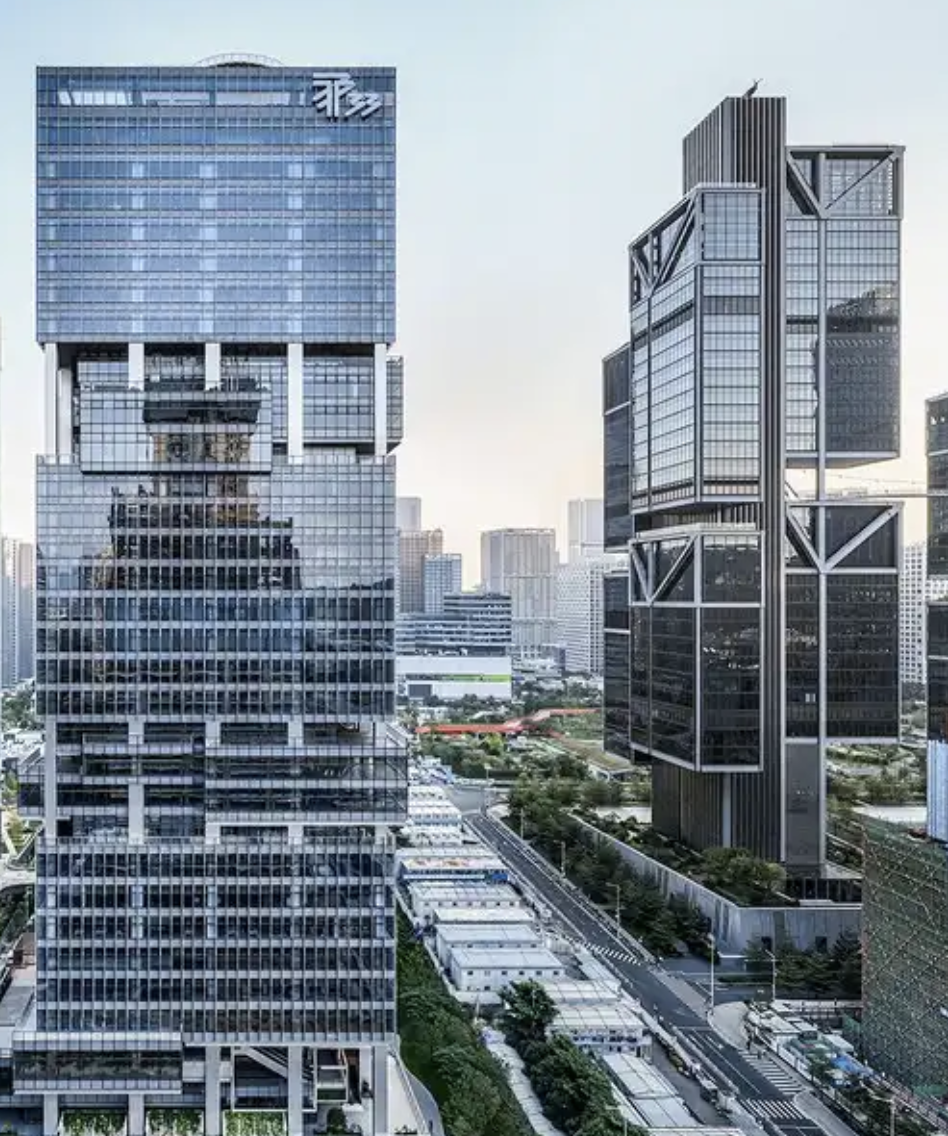
Rather than taking broad macro bets, sovereign wealth funds, private equity real estate funds, and institutional allocators are deploying capital into high-conviction strategies: prime Grade A office spaces driving a flight to quality, and industrial-logistics platforms offering stable, inflation-hedged yields.
1. The Flight to Quality in Commercial Office Assets
While global office markets have faced headwinds over recent years, key APAC financial centers—including Singapore, Tokyo, and core CBD districts in Bangkok and Sydney—are demonstrating remarkable structural resilience.
Occupier demand across Asia-Pacific remains firmly anchored by strong return-to-office mandates and corporate expansion from multinational firms, financial services, and tech conglomerates.
Key Factors Driving Capital into Grade A Office Properties:
- Flight to Modernity and Sustainability: Tenants are prioritizing premium, ESG-compliant developments featuring modern building infrastructure, wellness certifications (LEED/WELL), and energy-efficient systems.
- Pricing Equilibrium: Capital values for prime assets have adjusted, bringing yields to attractive entry points relative to benchmark risk-free rates.
- Divergence of Grade A vs. Secondary Assets: While older, non-retrofitted office stock faces rising vacancy, prime Grade A towers are sustaining near-peak occupancy levels and achieving rental premium growth.
2. Logistics & Supply-Chain Infrastructure: The Yield Anchor
The industrial and logistics sector remains one of the most sought-after asset classes across Southeast Asia and North Asia. E-commerce maturation, nearshoring strategies, and regional supply chain reconfigurations are generating sustained demand for modern logistics parks and ready-built industrial units.
+-----------------------------------------------------------------------+
|                 APAC LOGISTICS MARKET FUNDAMENTALS                    |
+------------------------------------+----------------------------------+
| Key Asset Class                    | Strategic Advantage              |
+------------------------------------+----------------------------------+
| Modern Logistics Hubs              | High tenant retention & long     |
|                                    | Weighted Average Lease Expiry    |
|                                    | (WALE).                          |
+------------------------------------+----------------------------------+
| Cold Chain & Temperature Control   | Strong rental pricing power      |
|                                    | driven by pharmaceutical and     |
|                                    | fresh produce logistics.         |
+------------------------------------+----------------------------------+
| Ready-Built Factories (RBFs)       | Immediate yield generation from  |
|                                    | expanding manufacturing bases.   |
+------------------------------------+----------------------------------+
Markets across Thailand, Vietnam, and Malaysia are benefiting directly from multinational manufacturers expanding their regional footprints. Constrained supply in core industrial zones is keeping vacancy rates tightly managed between 5% and 10%, giving landlords substantial pricing leverage during lease renewals.
3. Strategic Realignment: How Allocators are Positioning for 2026–2027
As dry powder is deployed back into the region, institutional allocators are shifting away from passive buy-and-hold strategies toward value-add execution and co-investment models.
- Active Asset Management: Capitalizing on opportunities to refurbish well-located commercial stock into net-zero compliant facilities.
- Private Credit Expansion: With traditional commercial banks maintaining conservative loan-to-value (LTV) ratios, private real estate credit funds are providing flexible mezzanine and structured financing options.
- Regional Diversification: Balancing core income-generating assets in developed markets like Japan and Singapore with higher-yielding growth plays across emerging Southeast Asian markets.
Key Takeaway for Property Investors
The current market cycle favors disciplined, operationally focused investors. With interest rate volatility easing and occupier demand concentrating in prime assets, APAC real estate presents compelling entry points for capital structured to capture yield expansion and long-term rental growth across high-performing logistics and Grade A commercial assets.