
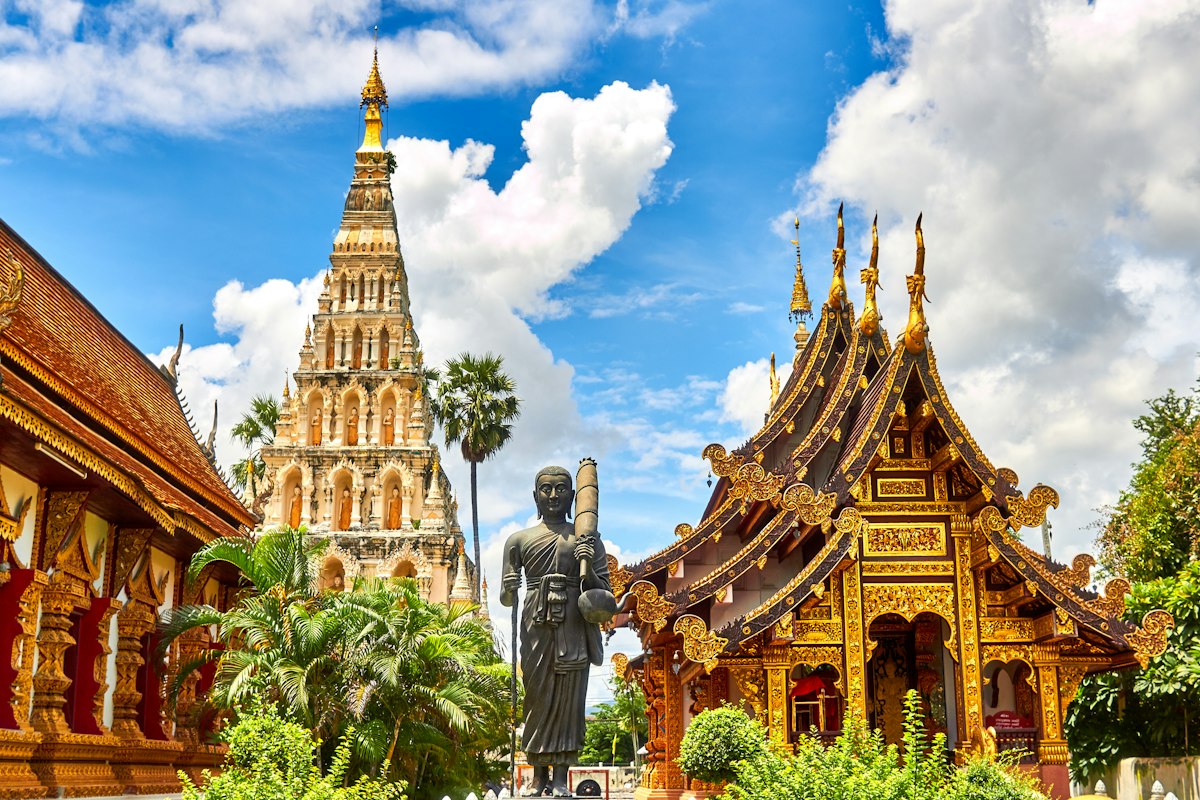
Why Chiang Mai Is Drawing Expat Retirees from Singapore and Hong Kong
For decades, Singapore and Hong Kong have offered world-class infrastructure, high salaries, and unmatched connectivity. But both cities extract a significant price: some of Asia's highest property costs, intense urban density, and a cost of living that makes a genuinely comfortable retirement a financial stretch for many. Chiang Mai, Thailand's northern cultural capital, has quietly emerged as one of the region's most credible retirement alternatives — offering a low cost base, good private healthcare, a temperate climate by Southeast Asian standards, and a well-established international community that already includes thousands of former residents from both cities.
Unlike beach destinations such as Phuket or Koh Samui, Chiang Mai offers the feel of a real city: universities, hospitals, arts venues, night markets, and a café culture that rivals anything in Singapore's CBD. The pace is slower, the air cleaner in the dry season, and the cost of a comfortable life is a fraction of what retirees are accustomed to paying back home.
Cost of Living: The Numbers That Matter
The financial case for Chiang Mai is compelling. A couple living comfortably — with a good rental apartment, private health insurance, dining out regularly, and occasional travel — can typically budget between SGD 3,000 and SGD 5,000 per month, depending on lifestyle. That compares with SGD 8,000 to SGD 15,000 or more for an equivalent standard of living in Singapore or Hong Kong.
| Expense Category | Chiang Mai (Monthly Est.) | Singapore Equivalent |
|---|---|---|
| 2-bed apartment (good area) | THB 18,000–35,000 | SGD 3,500–6,000 |
| Private health insurance (couple, 60s) | THB 40,000–80,000/year | SGD 6,000–15,000/year |
| Groceries (monthly) | THB 8,000–14,000 | SGD 800–1,500 |
| Dining out (mid-range, twice weekly) | THB 6,000–10,000 | SGD 600–1,200 |
| Utilities incl. air-con | THB 3,000–6,000 | SGD 300–600 |
These are estimates only and will vary significantly based on individual lifestyle. That said, the directional gap between Chiang Mai and either gateway city is consistent and substantial.
Rent or Buy? Navigating Thailand's Property Rules for Foreign Retirees
Thailand's property laws present a critical planning consideration for Singapore and Hong Kong expats. Foreigners cannot own freehold land outright in Thailand. However, foreigners can own a condominium unit in freehold title, provided foreign ownership in the building does not exceed 49% of total floor area. This makes condominiums the most straightforward ownership route for most international retirees.
For those seeking a landed house, the most common structures involve long-term leasehold arrangements — typically 30 years with options to renew — or ownership through a Thai limited company, though the latter carries legal and administrative complexity and requires specialist legal advice before proceeding.
Many financial advisers suggest that renting initially makes significant sense for new arrivals. Rental yields the flexibility to trial different neighbourhoods, reassess lifestyle preferences, and avoid the illiquidity of Thai property while still navigating residency requirements. Quality furnished condominiums in prime Chiang Mai locations can be rented for THB 18,000 to THB 40,000 per month — numbers that look extraordinary to anyone currently paying HKD 30,000 or more for a mid-tier Hong Kong flat.
For those committed to buying, the Nimman, Santitham, and Old City-adjacent condo markets offer international-standard units from approximately THB 3 million to THB 8 million, with luxury developments near the Nimman corridor reaching higher. Due diligence on developer credentials, building financials, and foreign quota availability is essential.
Neighbourhoods Worth Knowing
Nimman (Nimmanhaemin Road area) is the most cosmopolitan district, home to boutique hotels, specialty coffee shops, galleries, and Maya Mall. It attracts younger digital nomads but also suits active retirees who want urban walkability and access to quality restaurants. Condo supply is strong and international-standard.
Old City and Surrounding Moat Area offers cultural richness, proximity to temples, and a slower pace. Housing stock is more mixed, with boutique townhouses, older condominiums, and traditional teakwood homes. It suits retirees drawn to Chiang Mai's artistic and heritage identity.
Hang Dong and San Kamphaeng corridors appeal to those who prefer villa-style living and more space. These suburban areas offer larger properties on leasehold land and attract expats who want a garden, a car-based lifestyle, and lower noise levels. International schools are accessible for those with visiting grandchildren.
Healthcare Access and Practical Retirement Living
Chiang Mai's private hospital network is a primary draw for health-conscious retirees. Bumrungrad-affiliated Bangkok Hospital Chiang Mai and Chiang Mai Ram Hospital are well-regarded facilities offering English-language services, specialist consultations, and medical tourism packages. Out-of-pocket costs for consultations and procedures are substantially lower than Singapore's private hospital equivalents, though comprehensive private health insurance remains strongly advisable for all foreign residents.
On residency, the Thailand Retirement Visa (Non-Immigrant OA) is available to those aged 50 and above who meet financial requirements — currently a bank deposit of THB 800,000 in a Thai bank account, or a combination of income and savings meeting the threshold. The visa requires annual renewal and does not confer the right to work. The Thailand Long-Term Resident (LTR) Visa, introduced more recently, offers a ten-year renewable option with additional incentives and is worth examining for retirees with passive income streams or investment portfolios above the qualifying threshold. Tax residency implications should be reviewed carefully with a qualified cross-border tax adviser, as Thailand's evolving rules around foreign-sourced income remitted into the country have seen recent changes that affect planning decisions.
Frequently Asked Questions
Can Singapore or Hong Kong citizens own property outright in Chiang Mai?Foreign nationals, including Singaporeans and Hong Kongers, can own condominium units in freehold title in Thailand, subject to the 49% foreign ownership quota per building. Land ownership is not permitted for individuals; leasehold structures or company ownership require specialist legal guidance.What visa do I need to retire in Chiang Mai long-term?The most common route is the Non-Immigrant OA (Retirement Visa), available to those aged 50 and above who meet Thai bank deposit or income requirements. The newer LTR Visa offers a ten-year option for qualifying applicants with sufficient passive income or investment assets.Is private healthcare in Chiang Mai reliable for serious conditions?Chiang Mai's major private hospitals handle most specialist needs competently, and many doctors hold international qualifications. For highly complex or rare conditions, some retirees travel to Bangkok or return to Singapore or Hong Kong. Comprehensive international health insurance is strongly recommended.Is Chiang Mai suitable year-round, or are there difficult seasons?Chiang Mai has three distinct seasons. The cool season from November to February is widely considered ideal. The hot season from March to May brings high temperatures and, in recent years, smoke haze from agricultural burning that can affect air quality significantly. The rainy season from June to October is generally manageable. Some retirees travel during the smoke season and return for the cooler months.
Funding a retirement abroad involves more than visa logistics and rental budgets. Some investors who hold investment portfolios choose to diversify into alternative assets as part of their broader retirement planning strategy. Whisky casks are one option that a segment of Asia-based investors has explored, valued for their tangibility and long holding characteristics. Whisky Cask Club provides information and access for those interested in learning more about cask investment as a potential component of a diversified retirement funding approach. As with any alternative investment, independent financial advice is recommended before committing capital.